Painful Tropical Virus Could Become Established in UK as Temperatures Rise
A debilitating and painful tropical disease, transmitted through infected mosquito bites, is posing an escalating threat to Europe, with the potential to become established in the United Kingdom in the coming years. Researchers have uncovered critical new findings that lower the temperature threshold for transmission, significantly expanding the risk zones across the continent.
Lower Temperature Threshold Identified
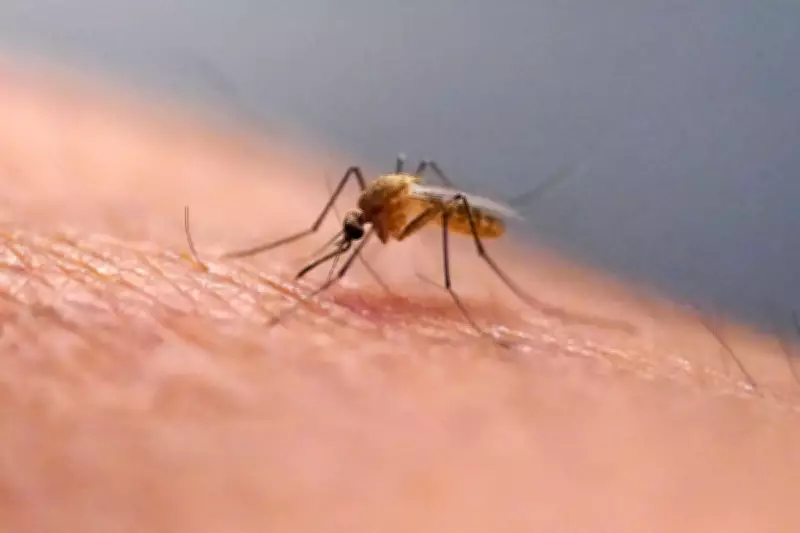
In a groundbreaking study, scientists have discovered that Asian tiger mosquitoes can spread the chikungunya virus when air temperatures drop as low as 13 degrees Celsius. This is notably cooler than previously believed, meaning more regions and extended periods of the year could become vulnerable to outbreaks. The research highlights how Europe's rapid warming is facilitating the northward expansion of this invasive mosquito species.
Sandeep Tegar, the lead author of the study, emphasised the implications: "Europe is warming rapidly, and the tiger mosquito is gradually expanding northwards through the continent. The lower temperature threshold that we have identified will therefore result in more areas – and more months of the year – becoming potentially suitable for transmission."

Record Outbreaks in Europe
In 2025, France and Italy experienced record numbers of local chikungunya outbreaks, underscoring the growing presence of the virus. The same mosquito species has also contributed to a rise in dengue fever cases across Europe in recent years. Researchers from the UK Centre for Ecology and Hydrology noted that these mosquitoes have initiated local outbreaks after biting individuals who contracted the virus overseas.
New data indicates that the possibility of infection exists for two to three months annually across much of Europe, extending up to six months in Spain and Portugal. "Identifying specific locations and the months of possible transmission will enable local authorities to decide when and where to take action to reduce the risk or scale of outbreaks," Mr Tegar added.
Health Impacts and Symptoms
Chikungunya is not typically fatal, but it can cause severe and long-term pain. The UK Health Security Agency describes the virus as "a sudden onset of fever usually accompanied by joint pain." Joint pains may persist for months or longer, while other symptoms such as headaches, sensitivity to light, and skin rashes usually subside within a few weeks.
As of November 2024, approximately 480,000 cases of chikungunya have been detected globally, resulting in 190 deaths. The virus, first identified in Tanzania in 1952, now affects over 110 countries across Asia, Africa, Europe, and the Americas.
Rising Risks in the UK
Currently, there is a low risk of the virus in south-east England during the summer months. However, researchers warn that rising temperatures will increase the likelihood of the tiger mosquito establishing itself in the UK, mirroring trends elsewhere in Europe. Warmer weather creates optimal conditions for mosquitoes to thrive and accelerates the replication and transmission rates of the virus.
In October, scientists found eggs of the mosquito in a trap at a freight depot near Heathrow Airport. The UK recorded its hottest summer on record last year, with experts projecting up to 2 degrees Celsius of global warming by 2050.
Preventive Measures and Vaccination
Dr Steven White, the study's senior author, stressed the importance of ongoing efforts: "It is crucial that there is continued action to try to prevent the tiger mosquito from establishing in this country because this highly invasive species is capable of transmitting several infections that can cause serious health conditions, including chikungunya, dengue, and Zika viruses."
In August, British travellers were advised to take precautions against mosquito bites amid a surge in individuals returning to the UK with the virus. While a vaccination is available, it is only accessible privately through travel clinics or select pharmacies in the UK. The research also aims to predict how climate change could influence the future spread of the chikungunya virus, aiding in proactive public health strategies.