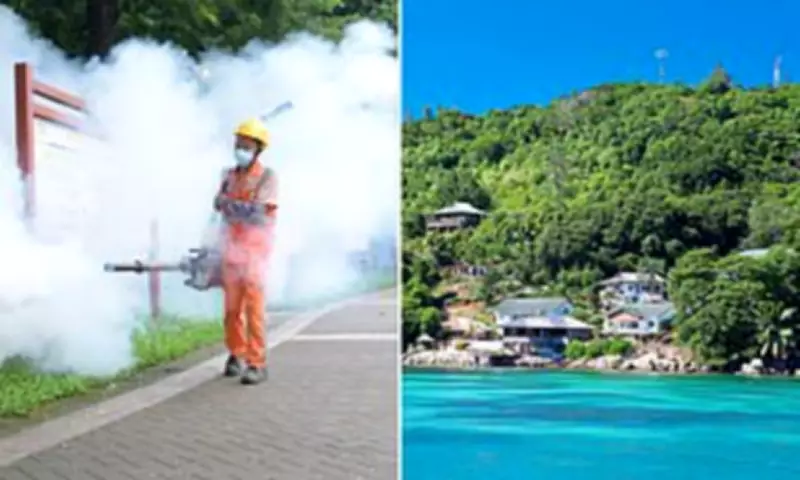
CDC Issues Stark Travel Warning for Luxury Destinations Over Virus Resurgence
The Centers for Disease Control and Prevention has escalated health advisories for two popular vacation destinations, placing both under a Level 2 travel alert due to a concerning resurgence of the chikungunya virus. The warning specifically targets the Seychelles, the Indian Ocean archipelago renowned for its turquoise waters and pristine beaches, alongside Suriname, the small South American nation on the northeast coast.
Strict Precautions Required for All Travelers
The advisory urges all visitors to implement rigorous, multi-layered defenses against mosquito bites around the clock. This heightened alert stems from the aggressive daytime biting habits of the primary Aedes mosquitoes responsible for transmission. While the CDC did not enumerate every required precaution, a Level 2 warning typically mandates the use of EPA-registered insect repellent, wearing long-sleeved shirts and long pants, and ensuring accommodations are fully sealed with screens or air conditioning.
Understanding the Chikungunya Threat
Chikungunya is a mosquito-borne virus transmitted through the bite of infected Aedes mosquitoes, the same species that spreads dengue and Zika. Infection triggers a series of debilitating symptoms, typically appearing three to seven days after the bite. These include high fever, severe joint pain, headaches, muscle aches, swelling, and rashes. Although most acute symptoms subside within a week, a substantial portion of sufferers experience persistent, painful arthritis that can linger for months or even years.

For approximately 40 percent of patients, the severe joint pain evolves into a chronic, rheumatoid arthritis-like condition. This can persist for years or become a lifelong disability, profoundly impacting mobility, work ability, and quality of life. The joint pain is often so intense that patients assume a stooped posture and struggle with walking or basic tasks, commonly affecting hands, wrists, ankles, and knees bilaterally.
High-Risk Groups and Severe Complications
The CDC specifically highlighted that certain demographics face a much higher risk of severe complications. These include older adults over 65, individuals with underlying medical conditions such as hypertension or heart disease, and, most critically, newborns and pregnant people. Although rarer, severe cases can involve the nervous system, leading to encephalitis, meningitis, seizures, and Guillain-Barré syndrome.
The advisory includes specific guidance for pregnant individuals, generally recommending waiting until after delivery for vaccination and urging those near their due date to reconsider travel to affected areas entirely.
Local Transmission and Global Context
Deaths due to chikungunya in the United States remain extremely rare, with almost all reported cases involving travelers returning from outbreak areas. However, rare locally acquired cases have occurred in Florida in 2014 and Texas in 2015. Most recently, in September 2025, New York health officials confirmed the first locally acquired case ever recorded in New York City, involving a 60-year-old Long Island woman with no travel history.
Globally, recent data indicates 229 deaths attributed to the virus alongside nearly 486,000 infections. The Seychelles receives roughly 11,000 tourists from the US annually, while Suriname sees between 8,000 and 11,000. The CDC noted that a chikungunya vaccine is now available and recommended for travelers visiting outbreak areas, representing a crucial prevention tool.
Ongoing Vigilance and Response
Travelers are instructed to monitor themselves for symptoms during their stay and for up to two weeks after returning home, seeking immediate medical attention if fever or joint pain develops. This alert follows similar CDC travel warnings issued in early December 2025 for Sri Lanka and in August for Guangdong Province, China, where authorities implemented Covid-style surveillance and widespread insecticide spraying.