In the world's largest refugee camp in Cox's Bazar, Bangladesh, over a million Rohingya people are struggling to survive as humanitarian aid funding faces a 63% deficit. Newborns are being delivered on crumbling mattresses in makeshift delivery rooms, and new arrivals are not even given shelter. The camp, which has been operating under severe financial strain, has seen 48 health facilities close or drastically reduce services following USAID cuts.
Rohingya refugees, who fled persecution in Myanmar, are subject to strict rules enforced by the Bangladeshi government. They cannot legally work, earn money, or participate in formal education. Shelters must be built to be quickly dismantled, reflecting the government's push to repatriate them. Despite these restrictions, close to 200,000 Rohingya have arrived since early 2024 due to intensified conflicts in Myanmar.
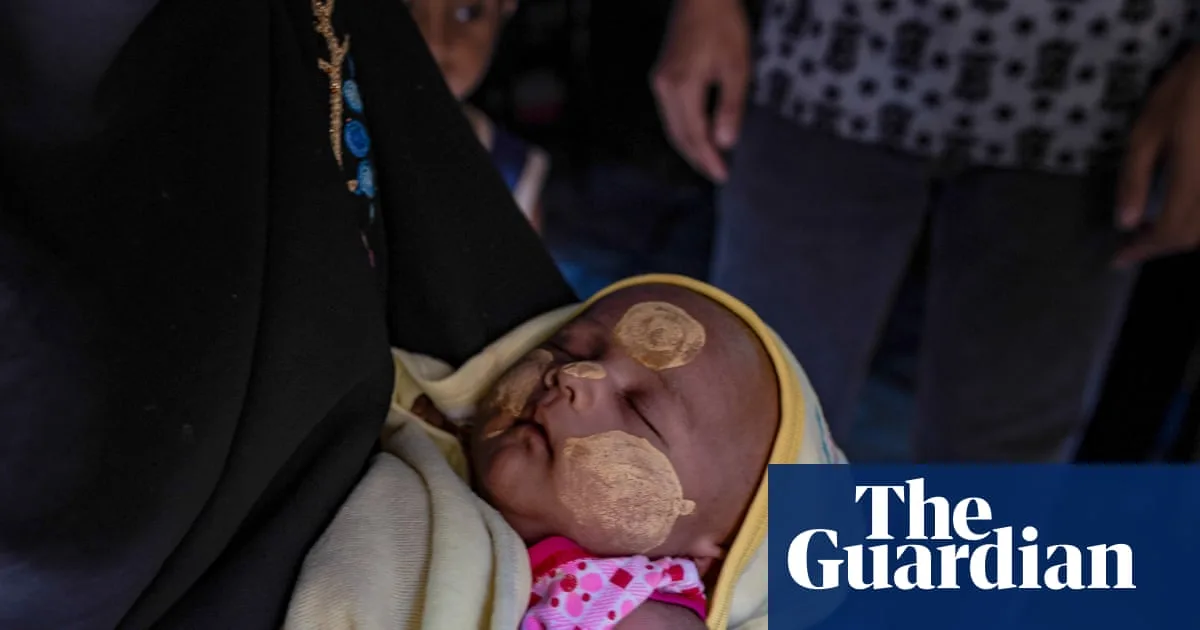
At a Unicef nutrition facility in Camp 15, about 300 children are treated for malnutrition daily. Doctors report an 11% increase in admissions for children under five with acute malnutrition compared to last year. Dr Owen Nkhoma warns that without effective funding, life-saving support for children could run out by mid-2026. Cases like that of seven-month-old Monsur, who weighs just 1kg and suffers from severe acute malnutrition, highlight the dire situation.
Families are forced to make impossible choices. Rajuma, eight months pregnant, knows she will need to skip meals to feed her family after her baby is born. Abdullah Wahed had to borrow £620 to pay for his son's tumour surgery after health centre support was reduced. An urgent appeal has been launched to secure an extra $85m to prevent further deterioration.