Long-Term Bushfire Smoke Exposure Linked to Increased Heart Disease Hospitalisation Risk
A comprehensive new study has established a concerning connection between prolonged exposure to bushfire smoke and heightened risks of hospitalisation for cardiovascular disease among older individuals. This research adds substantial weight to the growing body of evidence documenting the significant health consequences of a warming planet and increasingly severe wildfire seasons.
Study Methodology and Key Findings
Researchers conducted an extensive analysis of hospital records encompassing more than 65 million Americans aged 65 and above. They meticulously examined cardiovascular disease rates alongside neighbourhood-level exposure to fine particulate pollution specifically originating from wildfire smoke over multiple years. The investigation revealed that individuals residing in areas with higher average smoke exposure across a three-year period demonstrated a markedly increased likelihood of hospital admission for serious heart conditions.
The study, published in the prestigious Journal of the American College of Cardiology, documented elevated risks for overall cardiovascular disease, ischemic heart disease—characterised by narrowed arteries restricting blood flow to the heart—and arrhythmias, which involve irregular heart rhythms. Notably, the association proved strongest at moderate levels of smoke exposure and was particularly pronounced among populations from lower socioeconomic backgrounds, highlighting concerning health disparities.

The Danger of Fine Particulate Pollution
The research focuses specifically on PM2.5 particles—microscopic airborne pollutants measuring 2.5 micrometers or smaller. These minuscule particles possess the dangerous capability to penetrate deep into lung tissue and subsequently enter the bloodstream. While short-term exposure to such pollution has previously been linked to acute cardiovascular events like heart attacks and strokes, this study suggests that the cumulative effects sustained over several years may be equally significant and damaging to heart health.
Global Context and Climate Connections
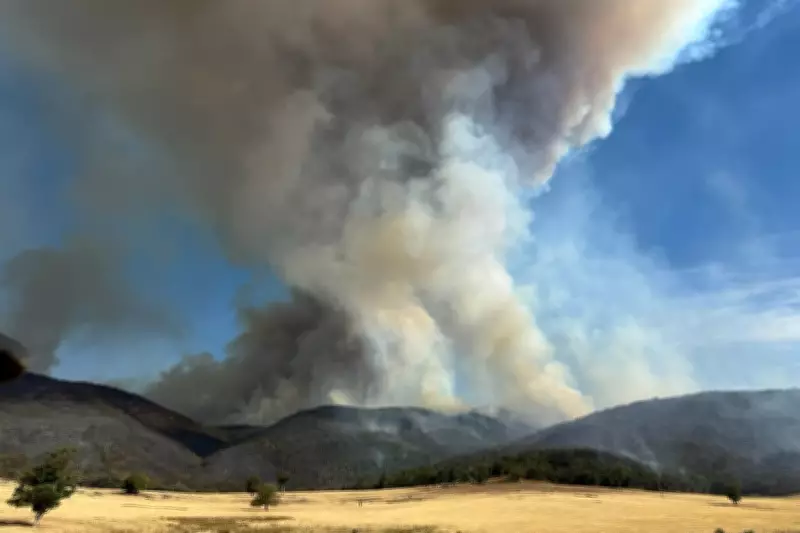
In regions like Australia, extreme bushfire seasons have become both more frequent and more intense in recent years. The devastating 2019–20 "Black Summer" fires burned through more than 24 million hectares of land, enveloping major cities including Sydney, Melbourne, and Canberra in hazardous smoke for extended periods lasting weeks. Previous research has already connected that severe smoke event to noticeable spikes in both respiratory and cardiovascular hospital admissions across affected populations.
Climate scientists have established that rising global temperatures combined with prolonged drought conditions are substantially increasing the likelihood of severe fire weather across various parts of Australia. As wildfires grow larger and burn for longer durations, their smoke can travel thousands of kilometres, exposing millions of people far beyond the immediate fire fronts to dangerous air quality conditions.
Broader Health Implications and Public Policy
The research team emphasised that as climate change continues to intensify both the frequency and scale of wildfires worldwide, comprehensive public health strategies will become increasingly necessary to reduce population exposure and protect vulnerable demographic groups. This cardiovascular study follows earlier Australian research that warned bushfire smoke may be elevating risks of mental health crises among children and adolescents.
That separate investigation found hospital visits related to children's mental health increased significantly during the six days following exposure to pollution from bushfires. The effect proved stronger than that observed following exposure to air pollution from other common sources like traffic and industrial activity. The research compared particulate air pollution levels following bushfires with pollution from non-fire sources, concluding that bushfire-related pollution was associated with a higher number of emergency department visits for mental health conditions among young people than other air pollution types at similar concentrations.

Together, these studies paint a concerning picture of the multifaceted health threats posed by worsening wildfire seasons, underscoring the urgent need for coordinated climate action and protective public health measures.