Australian Government Unveils Emergency Fuel Plan Amid Middle East Price Surge
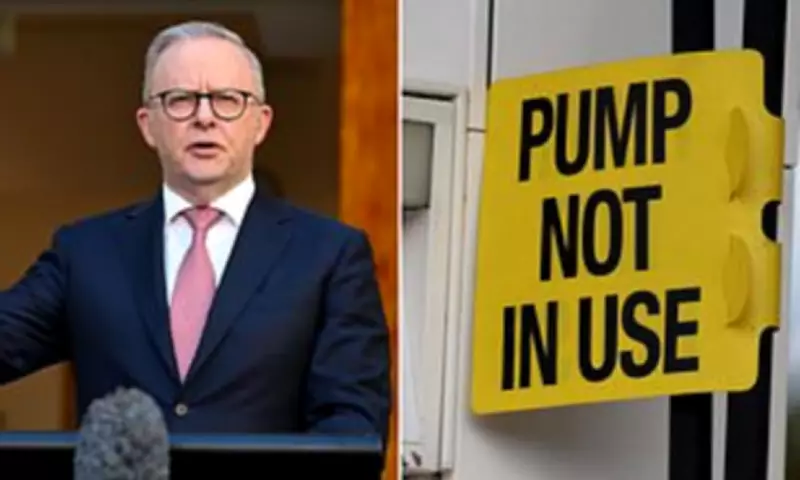
The Albanese government has launched a comprehensive four-point National Security Fuel Plan in response to escalating fuel prices at the bowser, driven by ongoing conflict in the Middle East. This strategic initiative was unveiled following an emergency National Cabinet meeting on Monday, where Prime Minister Anthony Albanese convened with state and territory leaders to address the growing crisis.
Four-Stage Framework for Fuel Security
The newly released plan outlines a structured four-stage approach to managing fuel supply and affordability. The stages are designated as: 'plan and prepare,' 'keeping Australia moving,' 'taking targeted action,' and 'protecting critical services for all Australians.' Currently, Australia is positioned at the second stage, 'Keeping Australia moving,' which focuses on maintaining essential fuel availability across the nation. According to reports from The Daily Telegraph, fuel rationing measures are slated for implementation only if the situation escalates to stage four, underscoring the government's proactive yet cautious strategy.
Immediate Relief Through Fuel Excise Reduction
In a significant move to provide rapid financial relief, Prime Minister Albanese announced a temporary halving of the fuel excise for petrol and diesel over the next three months. This reduction translates to a cut of 26.3 cents per litre, lowering the excise from 44.2 cents per litre to 22.1 cents per litre. Albanese emphasized that this measure is designed to alleviate pressure on households while encouraging reduced fuel consumption where feasible. 'We're making fuel cheaper today because we understand Australians are under serious pressure,' he stated, highlighting the dual goals of economic relief and conservation.

The excise cut is expected to decrease the cost of filling a standard 65-litre tank by approximately $19, offering tangible savings for motorists. Treasurer Jim Chalmers noted that this package, costing the budget an estimated $2.55 billion, will also reduce headline inflation by around half a percentage point in the June quarter, providing broader economic benefits.
Support for Freight and Regional Areas
Beyond general consumer relief, the plan includes targeted measures for the freight sector. The heavy vehicle road user charge will be reduced to zero for three months, with the next scheduled increase deferred by six months. This move aims to support trucking operators, particularly small businesses, who face high fuel costs and delayed payments. Albanese urged states and territories to complement this by considering reductions in heavy vehicle registration fees, ensuring a coordinated approach.
To address regional supply concerns, the government is promoting public transport usage in major cities to free up fuel for areas under greater strain. Albanese pointed to state-level initiatives to lower public transport fares, stating, 'The less fuel we use in the cities, the more we can direct to regional areas that are under pressure.' This strategy seeks to balance urban and regional needs while optimizing fuel distribution.
Collaborative Governance and Future Preparedness
The emergency response underscores the importance of National Cabinet as a forum for unified action, avoiding the fragmentation seen during the Covid-19 pandemic. Albanese expressed determination to prevent a repeat of past chaos, emphasizing coordinated efforts between the Commonwealth and states. Energy Minister Chris Bowen affirmed confidence in Australia's fuel supply stability and confirmed plans to collaborate with regional allies in Asia for oil sharing if necessary, bolstering long-term security.
Overall, the National Security Fuel Plan represents a multifaceted approach to mitigating fuel price impacts, combining immediate tax relief, sector-specific support, and strategic conservation efforts to navigate the challenges posed by global market volatility.