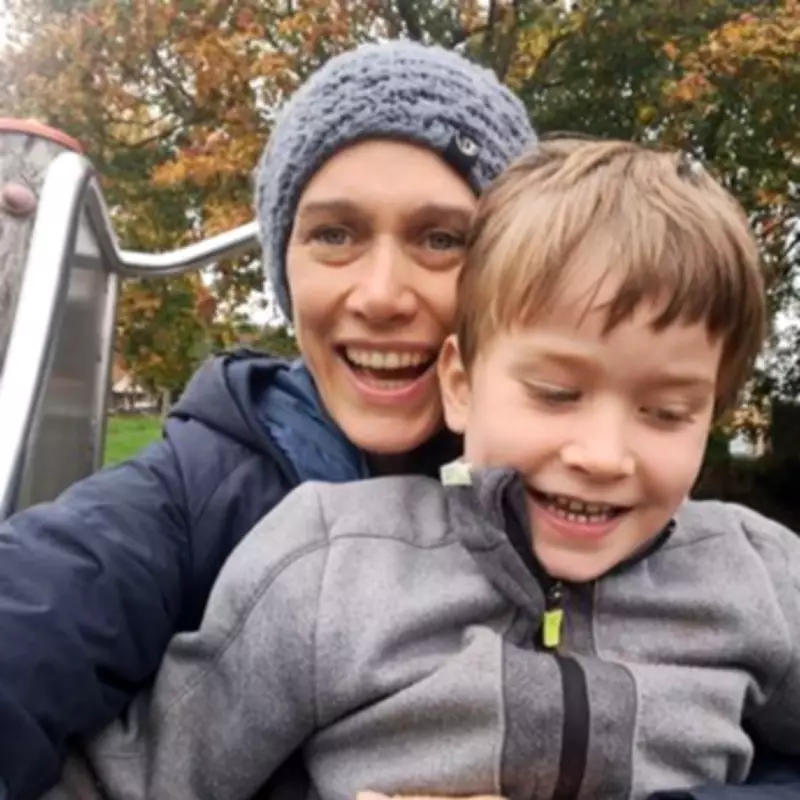
A mother's fear of being shamed by healthcare professionals for breastfeeding her toddler led her to delay a crucial GP visit, with devastating consequences. Helen Christopher, a mum-of-two from Oxford, initially dismissed a stabbing pain in her right breast in spring 2024, attributing it to mastitis, a condition she had experienced multiple times before.
Delayed Medical Attention Due to Judgment Concerns
Helen, who was breastfeeding her three-year-old son Benji at the time, felt confident the pain was related to mastitis or a blocked duct. However, she hesitated to book a GP appointment, anticipating judgmental reactions from medical staff about extended breastfeeding. She explained that she lacked the emotional capacity to face potential shaming or advice to stop breastfeeding over what she believed was a minor issue.
By June 2024, the pain had become a persistent, gnawing discomfort, even when not breastfeeding, prompting her to finally seek help. An ultrasound scan in July 2024 delivered an earth-shattering diagnosis: stage three breast cancer.

Treatment Journey and Cancer Recurrence
Following the diagnosis, Helen underwent a mastectomy in January 2025 and chemotherapy in April 2025. Tragically, three months later, a chest rash led to scans revealing the cancer had returned, spreading to her lymph nodes and neck as secondary stage three breast cancer. This shifted her treatment from a curative to a palliative pathway, focusing on extending her life rather than achieving a cure.
Helen, married to Nick Christopher and also mother to 10-year-old Rowan, described the recurrence as jarring and upsetting, especially given her desire to be there for her young children. She began palliative care in the UK in August before pursuing private treatment in Germany, including low-dose radiotherapy and immune-stimulating cream, in November and December.
Fundraising for Ongoing Immunotherapy
Helen is now fundraising £16,000 for ongoing immunotherapy treatment in Germany, which she credits with making a significant difference in her health. She reported that combined with UK treatments, she is almost in complete remission. However, immunotherapy is expensive, costing thousands per dose, and typically requires a two-year regimen if feasible.
Reflecting on her experience, Helen emphasized the hope this treatment provides, despite the financial burden. Her story highlights the critical importance of seeking medical advice without delay, regardless of fears of judgment, to ensure early detection and treatment of serious conditions like cancer.