BBC Breakfast Guest Breaks Down Over Life-Altering Health Condition
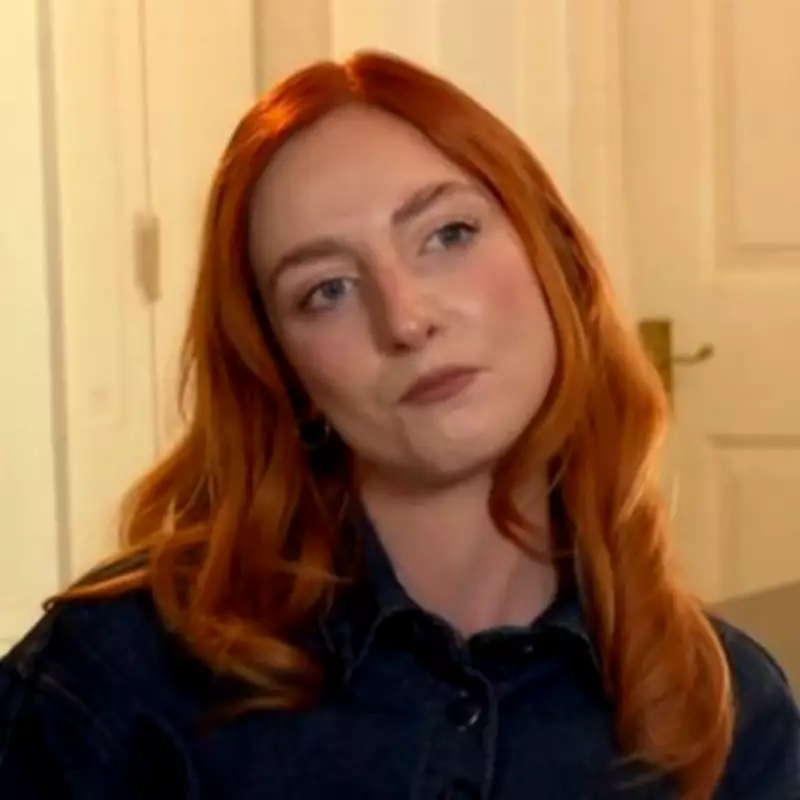
A powerful segment on BBC Breakfast has highlighted the devastating impact of Raynaud's Syndrome, with a guest tearfully describing how the condition has left her feeling "vulnerable" and cost her employment. The emotional interview featured Beth Usher, who suffers from both secondary Raynaud's disease and the rare autoimmune disorder Scleroderma, sharing her daily struggles before charity representatives issued an urgent call for increased research.
The Debilitating Reality of Raynaud's Syndrome
Presenters Charlie Stayt and Naga Munchetty introduced the segment by explaining that Raynaud's Syndrome affects approximately 10 million people across the United Kingdom. The condition causes small blood vessels in extremities like fingers and toes to spasm, restricting blood flow in response to triggers such as cold weather or stress. NHS guidelines note symptoms can include:
- Intense pain and numbness
- Pins and needles sensations
- Skin discoloration turning blue or white
- Potential ulcer development
Munchetty emphasized that while many mistakenly believe Raynaud's results merely from being cold, symptoms can actually be triggered by various factors including anxiety and emotional stress.

Beth's Personal Battle with Autoimmune Disorders
During the pre-recorded interview, Beth Usher visibly demonstrated her condition as her hands turned blue during the conversation. "I feel a bit nervous having this interview which is probably why my hands have gone a bit crazy," she explained. "My hands are cold, I can feel that, but to me, I'm at a correct temperature... it's very strange."
Beth suffers from secondary Raynaud's disease alongside Scleroderma, a chronic autoimmune condition where the immune system produces excess collagen. This leads to hardened, tight skin and can cause damage to blood vessels and internal organs. "It's a painful, life-limiting autoimmune condition," the BBC reporter noted during the segment.
Beth described her immune system as "attacking itself," adding with a laugh, "It's not doing anything right." She elaborated: "It's lighting a match constantly, attacking healthy cells. You want to be at one with your body and understand it, but god am I angry at it. I'm like, 'why won't you work properly, please?'"
Daily Life Transformed by Health Challenges
The condition has dramatically altered Beth's everyday existence. Simple activities like showering, driving, or grocery shopping have become significant challenges. She must carefully plan all outings, knowing that after just a few steps outside in cold weather, her fingers can become completely numb, forcing her to return indoors.
"There's a lot of things that have changed for me because of what my body can and can't do," Beth shared. "So there's a lot of frustration there. Simple everyday things are a bit challenging for me."
Her treatment regimen is particularly demanding, requiring hospital visits every few weeks for infusions that take six hours daily across five consecutive days. Emotional footage showed Beth receiving these treatments as the reporter described the process as "punishing, emotionally draining" and noted that "the schedule means living any kind of normal life is impossible."
Job Loss and Emotional Vulnerability
Perhaps most devastatingly, Beth revealed that her health conditions led directly to losing her employment because she could no longer guarantee consistent work hours. "It was devastating," she said tearfully. "It's made me feel very vulnerable. My condition has made me feel upset and angry, but it's the first time I've ever felt vulnerable."
Beth is now working with the charity Scleroderma and Raynaud's UK to raise awareness about these conditions, hoping to prevent others from experiencing similar struggles.
Charity Spokesperson Calls for Urgent Research
Sue Farrington, representing Scleroderma and Raynaud's UK on the programme, emphasized the serious nature of these conditions. "Raynaud's is not trivial, it's really serious," she stated. "It goes beyond those symptoms that we often associate with Raynaud's, the colour change on your fingers."

Farrington explained that many sufferers experience "excruciating pain" that manifests as burning sensations, ulcers on fingers and toes, mobility problems, and significantly reduced quality of life. "Simple things like cooking, driving, getting dressed all become either really difficult and incredibly painful," she noted.
The charity spokesperson issued a clear call to action: "We absolutely need to do more full-scale research to really properly understand how it affects different groups, the degree of severity that goes across Raynaud's as a condition, and also how it links into associated conditions."
This emotional BBC Breakfast segment has brought renewed attention to conditions that affect millions across the UK, highlighting both the personal toll on individuals like Beth Usher and the urgent need for greater medical understanding and support.