A Daughter's Heartbreaking Account of Her Mother's Agonising Final Weeks
"There is no dignity in dying this way." These are the poignant words of Lucy Thornton, a journalist who witnessed her mother Valerie's harrowing battle with terminal kidney cancer. The traumatic memories of her mother's final weeks, spent in unbearable pain, have compelled Thornton to become a vocal advocate for the proposed assisted dying bill, which she describes as a potential game-changer for end-of-life care in the United Kingdom.
From Childhood Admiration to Adult Anguish
Thornton fondly recalls watching consumer champion Esther Rantzen on television during her youth, admiring Rantzen's steely determination to hold the powerful accountable. She was glued to the innovative programme 'That's Life,' with its unique blend of investigative journalism and lighthearted segments, often laughing alongside her beloved mother. However, Thornton never anticipated that four decades later, she would be watching that same wonderful woman endure a torturous death, pleading for help as cancer ravaged her body.
Valerie Thornton was a vibrant force of nature, adored by all who knew her. She sang and danced through life, described by her daughter as "the most unfamous, famous person" she had ever known—a true superstar within her family circle. She continued tap dancing until she was struck down by a devastating kidney cancer diagnosis, which had already metastasised to her bones and brain by the time it was detected.

The Brutal Reality of Terminal Pain
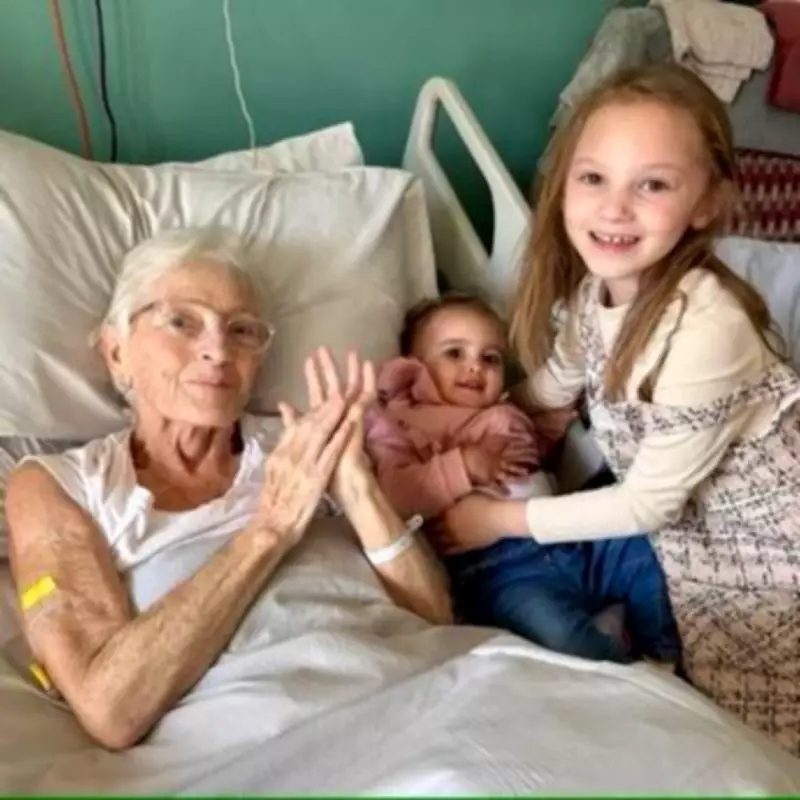
The physical decline was horrific. Lucy Thornton recounts watching her mother's bones become visible through her translucent, tissue-thin skin as she lost weight rapidly. Every movement elicited cries of agony, with pain so severe that even powerful opioids like Fentanyl—a drug a hundred times more potent than morphine—failed to provide relief. A syringe driver continuously administered potent painkillers, yet it could not alleviate her suffering.
Despite this, the family considered themselves somewhat "lucky" because Valerie secured a rare place at Pendleside Hospice in East Lancashire. This hospice, like others across the nation, offers remarkable terminal care, funded by community donations. There, she received personalised attention from consultants who spent hours reminiscing about her tap-dancing days, a stark contrast to the overstretched hospital wards where nurses lack time for such conversations.
Small Comforts in Final Moments
Valerie had a private room with patio doors opening onto a garden, where she watched birds squabble over a feeder. These simple pleasures—alongside visits from her beloved dog, who was allowed to sleep on her bed, and the company of her husband, son, and daughter—provided solace during her final journey. A pot of white flowers from Lucy's garden became a symbol of these tender moments.
A year after her mother's passing, those same flowers bloom again, reminding Thornton of Valerie's final Facebook post after turning 80 and receiving her terminal diagnosis: "Don't forget to look deep into the snowdrops." These wise words, Thornton muses, could have been crafted into a touching ode on 'That's Life.'
A Call for Legislative Change
Lucy Thornton's experience has solidified her support for the assisted dying bill, arguing that no one should have to endure the agony her mother faced. She emphasises that while hospices like Pendleside provide compassionate care, they cannot eliminate the profound suffering of terminal illnesses. The bill, she believes, would offer terminally ill patients the choice to die with dignity, sparing them and their families from unnecessary trauma.
As Thornton reflects on her mother's legacy, she hopes that, like the resilient snowdrops, her happy memories will eventually overshadow the painful ones. "I prefer flowers to fentanyl," she concludes, underscoring her desire for a future where end-of-life options prioritise compassion over prolonged agony.