Apple Watch Blood Pressure Feature: Experts Warn Against False Reassurance
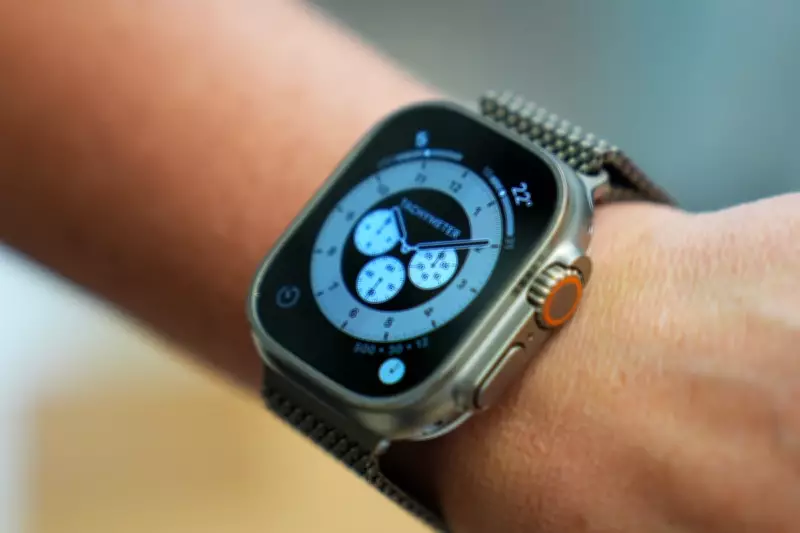
New research has raised significant concerns about the Apple Watch's hypertension notification feature, with experts warning that it should not be used as a substitute for regular medical screening tests. The study, conducted by researchers from the University of Utah Health and the University of Pennsylvania, suggests the feature may provide false reassurance to users while missing a substantial proportion of actual hypertension cases.
Limited Detection Capabilities
According to the research published in the Journal of the American Medical Association, Apple's own data indicates that only 41.2% of individuals with undiagnosed hypertension would receive an alert through the watch feature. This means that nearly 60% of people with high blood pressure would not be notified by the device, potentially leading to dangerous delays in diagnosis and treatment.
The researchers noted: "According to Apple's reported test performance, 41.2% of individuals with undiagnosed hypertension would receive an alert for potentially having hypertension, and 58.8% would not."

Among those without hypertension, the system performed better but still had limitations, with 7.7% receiving inappropriate alerts. The team concluded that the feature provides "moderate evidence to rule in hypertension" but only "weak evidence to rule out hypertension."
Age-Related Concerns
The analysis revealed particular concerns for older adults, who are more likely to suffer from high blood pressure. The absence of an alert was found to be "substantially less reassuring in older adults" compared to younger users, creating potentially dangerous situations for the demographic most at risk.
Apple has been clear about the limitations of the feature, stating that it is "not intended to diagnose, treat or aid in the management of hypertension or other conditions such as blood clots, stroke, atrial fibrillation, congestive heart failure or high cholesterol." The company further clarifies that the Apple Watch cannot detect heart attacks.
How the Feature Works
The hypertension notification feature utilizes the Apple Watch's heart sensor and requires a 30-day evaluation period to identify patterns of chronic high blood pressure. The US Food and Drug Administration approved the feature for use last year, but researchers emphasize that its current performance "is not suitable for large-scale, reliable hypertension screening."
In an editorial accompanying the research, experts including those from Harvard School of Public Health in Boston wrote: "Given that screening tests are expected to be good at ruling out a disease, the absence of a notification could lead to false reassurance, deferred care, and delayed diagnosis."
Medical Community Response
Professor Bryan Williams, chief scientific and medical officer at the British Heart Foundation, emphasized the importance of proper screening: "High blood pressure is known as the silent killer for good reason, as it is usually symptomless. Untreated, high blood pressure contributes to tens of thousands of preventable heart attacks and strokes in the UK each year."
He continued: "It's estimated that up to five million people in the UK are living with undiagnosed high blood pressure. We need more opportunities for people to get their blood pressure checked quickly and easily to avoid more preventable heart attacks and strokes."
While acknowledging that smart technology can be useful for health monitoring, Professor Williams stressed: "It's crucial that people understand that this technology is not a replacement for getting your blood pressure checked with standard cuff-based devices."
Global Implications
With more than 200 million Apple Watch users worldwide, the researchers noted that the hypertension notification feature "offers new opportunities to identify adults with undiagnosed hypertension, but with potential for hypertension misclassification as well."
The team warned: "False reassurance may discourage some individuals with undiagnosed hypertension from obtaining appropriate screening or engaging with the healthcare system, resulting in missed opportunities for early detection and treatment."

Limitations of the study include reliance on Apple's sensitivity and specificity estimates, which the researchers noted "may not fully capture device performance." Apple has been contacted for comment regarding these findings.