AI Uncovers Tiny Tumour During Routine Cancer Screening, Revolutionising NHS Detection
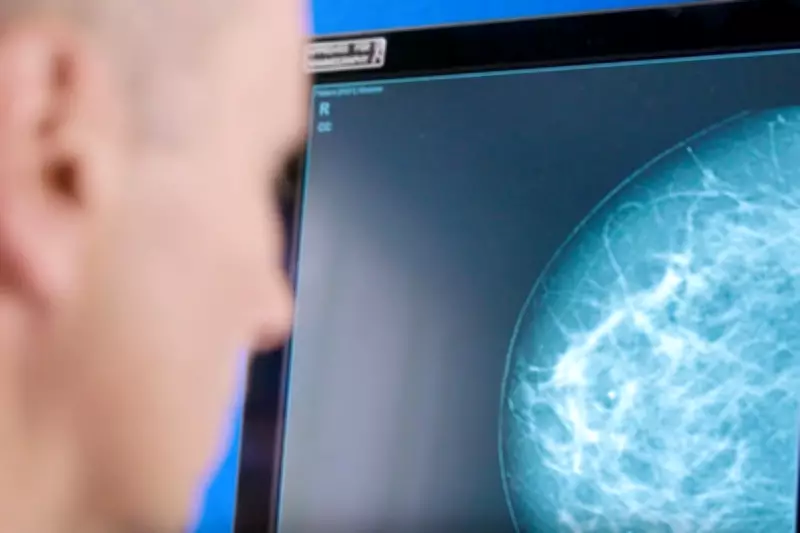
In a groundbreaking development, artificial intelligence has successfully detected an aggressive breast tumour in a patient that was initially missed by medical professionals, potentially averting a delayed diagnosis and more intensive treatment. The case of Yvonne Cook highlights the transformative potential of AI in healthcare, as revealed in a clinical trial conducted by NHS Grampian.
Clinical Trial Demonstrates Significant Improvements in Cancer Detection
The AI tool, named Mia, was deployed to support the routine breast screening of 10,889 women in NHS Grampian. This initiative led to the diagnosis of an additional 11 cancers, with seven of these being invasive types. Research from the trial indicates that AI can increase disease detection rates by an impressive 10.4 per cent, offering a substantial boost to early intervention efforts.
Key benefits identified in the study include:

- Reducing the time for women to be notified of their screening results from two weeks to just three days.
- Decreasing unnecessary recalls for further tests, thereby minimising patient anxiety and healthcare costs.
- Cutting healthcare staff workload by up to 31 per cent, allowing resources to be allocated more efficiently.
Expert Endorsement and Future Implications for the NHS
Health experts, including Lord Darzi, have strongly advocated for the integration of AI into the NHS, emphasising its potential to revolutionise how illnesses like cancer are prevented, detected, and treated. Studies support that AI can detect cancers earlier and with greater accuracy, which is crucial for improving patient outcomes and survival rates.
The success of the Mia AI tool in this trial underscores a pivotal shift towards technology-driven healthcare solutions. As the NHS continues to face pressures from rising demand and resource constraints, innovations like AI offer a promising path to enhance efficiency and effectiveness in cancer screening programmes.
This case not only saved Yvonne Cook from a potentially delayed diagnosis but also sets a precedent for wider adoption of AI across the health service, aiming to benefit thousands of patients annually.