Two new Victorian government-funded programs aim to transform the public health system's response to eating disorders, which affect an estimated 4% of Australians. The Eating Disorders Intensive at Home program, a world-first early intervention service, began accepting referrals in February, while Ngamai Wilam, the state's first public residential eating disorder centre, opened in May. Both are run by Alfred Health.
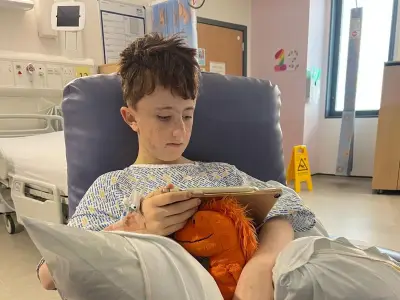
The at-home program targets young people, primarily aged 14 to 16, when anorexia most commonly emerges. Dr Paul Denborough, director of Alfred Health's infant, child and youth mental health service, says the program is a 'one-stop shop' delivered by a team of psychiatrists, dieticians, nurses, social workers and lived-experience support staff. Adapted from Finland's Open Dialogue approach, it involves the young person's entire support network and offers rapid response, with no waitlist and contact often within 48 hours of referral.
Ngamai Wilam provides intensive residential care for adults, offering voluntary weight restoration with three meals and three snacks daily, plus group and one-on-one therapy. Patients can leave the building and maintain part-time work or study. Previously, such care was only available in hospital. Dr Jenny Babb, who leads the centre, says the shift away from paternalistic treatment is overdue.

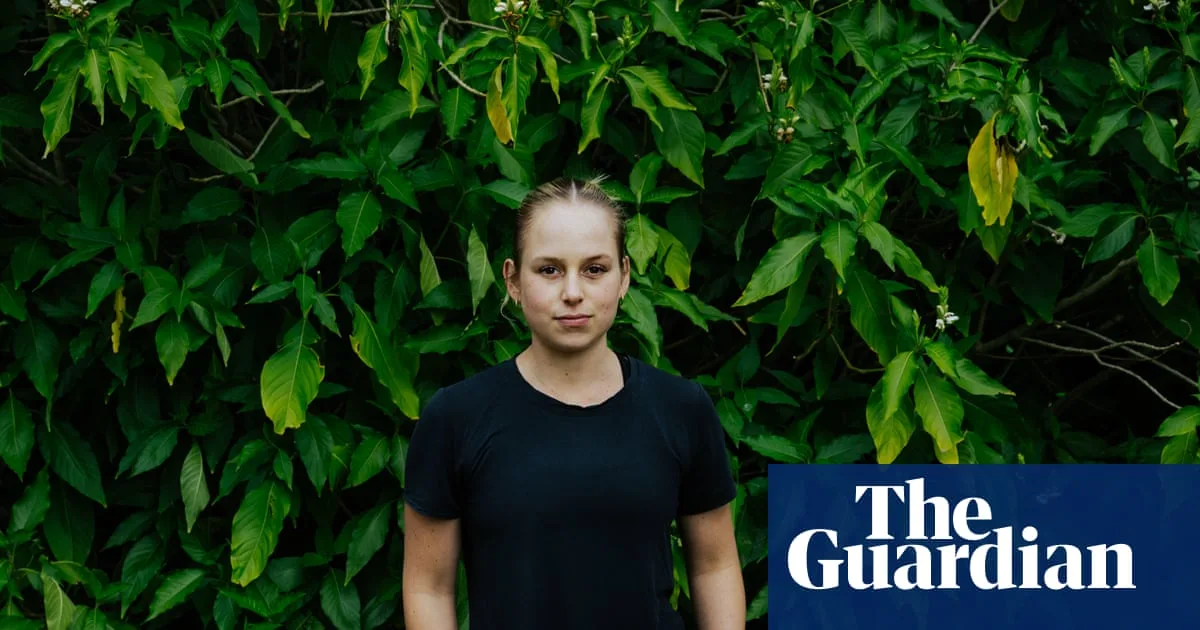
Portia Michau, who battled an eating disorder for a decade, says her struggle began innocently at age 14 when she tried to be 'healthier'. By 18, she was hospitalised with a slow heart due to energy deficiency, but says doctors treated the side-effects while ignoring the cause. 'I was basically told: “eat more.” Eating was my biggest fear. There was no support or understanding of that,' she says.
Dr Denborough notes that because thinness is valued in Western cultures, early signs are often overlooked. He believes eating disorders are 'completely curable' with fast intervention. The Butterfly Foundation estimated in 2022 that about 1 million Australians are affected, with two-thirds being women and girls. Six similar residential centres are planned across Australia with federal funding.