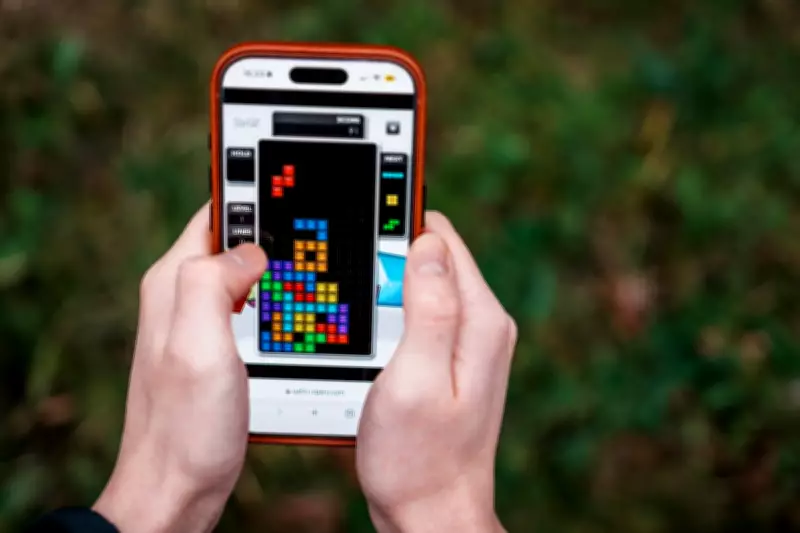
Classic Video Game Tetris Shows Promise in Reducing Traumatic Memories
Playing the classic video game Tetris could help alleviate distressing memories following traumatic events, according to a groundbreaking new trial. The study, published in the prestigious journal The Lancet Psychiatry, involved 99 NHS health workers who were exposed to traumatic incidents during the Covid-19 pandemic. Researchers implemented a treatment known as Imagery Competing Task Intervention (ICTI), which incorporates a slow version of Tetris as a key component.
Significant Reduction in Flashbacks Observed
The findings from the trial are compelling. NHS staff who received the Tetris-based intervention experienced a dramatic reduction in flashbacks, with results showing they had 10 times fewer intrusive memories within just four weeks of treatment. This substantial decrease highlights the potential of this accessible and non-invasive method for managing trauma-related symptoms.
After a follow-up period of six months, the outcomes remained highly positive. An impressive 70 per cent of participants who underwent the Tetris intervention reported having no intrusive memories at all. This long-term benefit underscores the durability of the treatment's effects, offering hope for sustained mental health improvements.

Addressing PTSD Symptoms and Future Applications
Beyond reducing flashbacks, the Tetris intervention also proved effective in tackling symptoms of post-traumatic stress disorder (PTSD). Experts involved in the study are enthusiastic about the method's broader implications. They describe it as accessible, scalable, and adaptable, making it suitable for wider application beyond the initial NHS cohort.
The researchers are now keen to expand testing to a broader population, aiming to validate these promising results on a larger scale. This could pave the way for new, innovative approaches in mental health care, leveraging simple yet powerful tools like video games to support recovery from trauma.
The positive impact of playing Tetris on mental health is becoming increasingly evident, offering a novel and engaging way to combat the lingering effects of traumatic experiences. As further studies are conducted, this method may become a valuable addition to traditional therapeutic techniques.