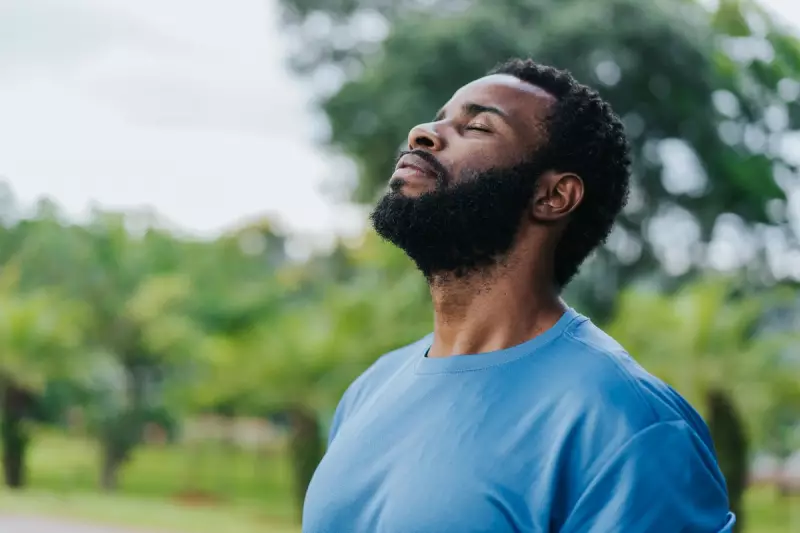
In our fast-paced world, stress and anxiety have become common companions for many. Yet, a powerful and accessible tool for managing these feelings lies within us all: our breath. While breathing is an automatic function, learning to control it consciously through specific exercises—a practice known as breathwork—can have a profound impact on our mental and physical health.
The Science Behind Breath and Stress
When we experience stress or anxiety, our breathing pattern changes dramatically. We tend to take rapid, shallow breaths from the upper chest. This pattern limits oxygen flow to the brain, potentially leading to feelings of lightheadedness, overwhelm, and a loss of control. It can create a vicious cycle where anxiety accelerates breathing, which in turn heightens anxiety.
Breathwork expert Jamie Clements, founder of The Breath Space, explains that daily practice can shift the nervous system into a more regulated state. "Practising breathwork daily can have a whole host of benefits to our overall health and wellbeing," Clements states, noting that research supports its positive effects on physical, mental, emotional, and spiritual health.

This connection is explored in science journalist James Nestor's book, Breath: The New Science of a Lost Art. Studies, including some from the early 2000s, have documented the calming effects of techniques like coherent breathing, which helps return the body's processes to an optimal state.
Four Simple Daily Exercises for Calm
Clements recommends four foundational exercises, emphasising that consistency is crucial. "The key here is consistency," he says. "Research suggests that 10-12 minutes per day for a minimum of four weeks is where we start to see the true benefits for the nervous system." The beauty of these methods is they require nothing but your breath and a few moments of your time.
1. Foundation: Breath Awareness and Functional Breathing
This initial practice is about reconnecting with your natural breath. Sit or lie comfortably, placing one hand on your chest and the other on your belly. Simply observe your breath without trying to change it. Notice its depth and rhythm.
Then, shift to diaphragmatic breathing: inhale gently through your nose for a count of four, letting your belly expand. Exhale slowly through your nose for a count of four as your belly deflates. Aim for a soft, effortless rhythm of six to ten breaths per minute. Use this to reset during stress or as a warm-up for other techniques.
2. For Instant Calm: Extended Exhale Breathing
When stress surges, this exercise can help ground you. Close your eyes and inhale through your nose for a count of four. Then, exhale slowly and fully through your mouth for a longer count of six or eight. Repeat as needed.
"The extended exhale activates your parasympathetic nervous system, which is responsible for the 'rest and digest' response," Clements explains. This directly counters the body's stress reaction. Use it when you feel your heart rate climbing or overwhelm setting in.
3. For Energy and Focus: Power Breathing
To combat afternoon slumps or morning fog, try this energising technique. Take short, forceful inhales and exhales through your nose at a steady rhythm of about one breath per second. Do 20 to 30 breaths, then pause for a deep, controlled breath to reset. Repeat for two or three rounds.
This practice increases oxygen levels and stimulates alertness. It's ideal for shaking off grogginess or refocusing before an important task.
4. For Deeper Release: Conscious Connected Breathing
This more advanced exercise is for moments of reflection or when feeling emotionally stuck. Lie down comfortably and breathe continuously through your mouth, connecting each inhale to the exhale with no pauses in a smooth, circular rhythm. Practice for 10 to 20 minutes, perhaps with calming music.
"This technique can create the experience of an altered state of consciousness and helps release stored emotions and tension," says Clements. It can lead to greater introspection and emotional clarity.

The Path to a Calmer Mind
Integrating these four exercises into your daily routine can be a transformative act of self-care. Jamie Clements highlights that each technique serves a different purpose, helping to bring balance, energy, or deeper insight into your day.
By dedicating just over ten minutes each day to these practices, you can begin to recalibrate your nervous system, build resilience, and tap into a calmer state of mind whenever you need it. The journey to reduced stress and anxiety, it seems, starts with a single, conscious breath.