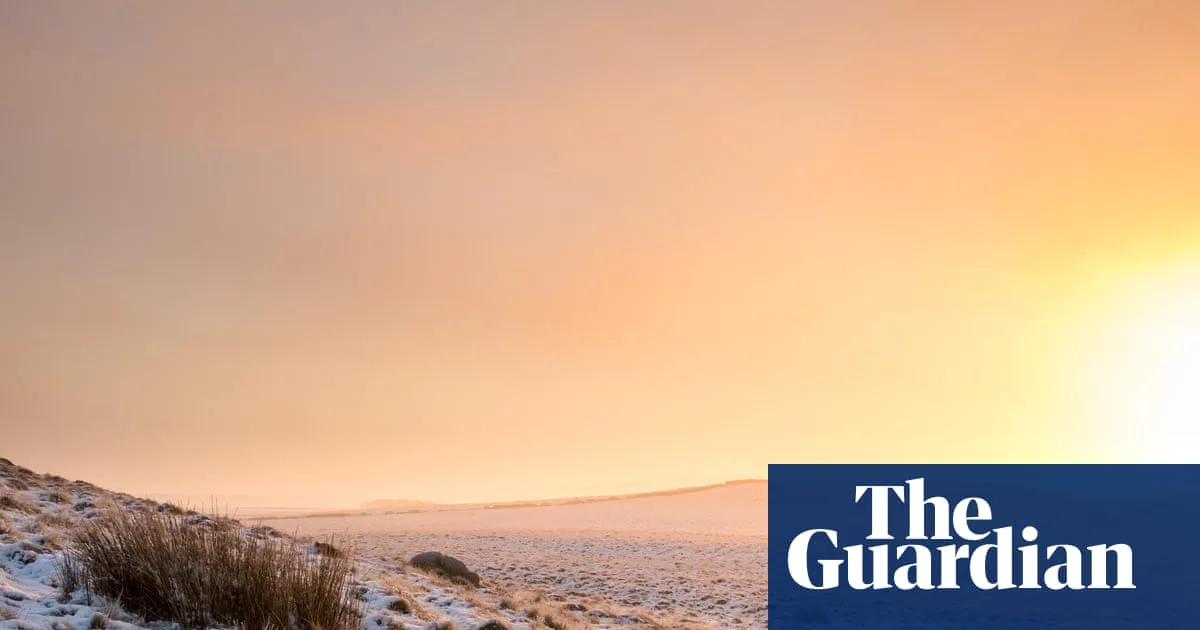
Amber cold health alerts have been issued for northern England as forecasts warn of sub-zero overnight temperatures and snow this week. The UK Health Security Agency (UKHSA) issued the alerts for north-east and north-west England, and Yorkshire and the Humber, indicating an increased risk to health for individuals aged over 65 or those with pre-existing respiratory and cardiovascular conditions. The alerts also warn of a greater risk of disruption to roads and public transport.
The warnings are in place between noon on Monday and 8am on Saturday, with the rest of England placed under a less serious yellow warning for the same period. The Met Office has also issued multiple yellow weather alerts for snow and ice affecting parts of Scotland and northern England from Monday to Thursday, with temperatures expected to drop to as low as -10C in some places.
Met Office chief forecaster Paul Gundersen said scattered showers in the north-east and far north of Scotland could create a risk of icy conditions on roads and pavements. He added that an area of rain reaching the west of Scotland early on Tuesday morning could turn to snow as it moves inland, potentially causing disruption to travel and infrastructure across higher parts of Scotland. By Wednesday, a strong and very cold northerly flow would make temperatures feel even colder.
Deputy chief forecaster Tom Crabtree said 2-5cm of snow could accumulate in low-lying areas, with 5-10cm possible elsewhere and accumulations of 15-20cm on higher ground in parts of north-east England and Scotland.
Ruth Goss, senior cardiac nurse at the British Heart Foundation, warned of the risks the cold poses to older and vulnerable people, particularly those with heart conditions. She advised keeping indoor temperatures to at least 18C, wearing warm clothing, staying active indoors, and wrapping a scarf loosely around the mouth and nose to breathe in warmer air for those with angina. The charity also recommends warming meals and healthy hot drinks to help maintain body heat.