AI in Breast Cancer Screening Detects Hidden Heart Disease Risk
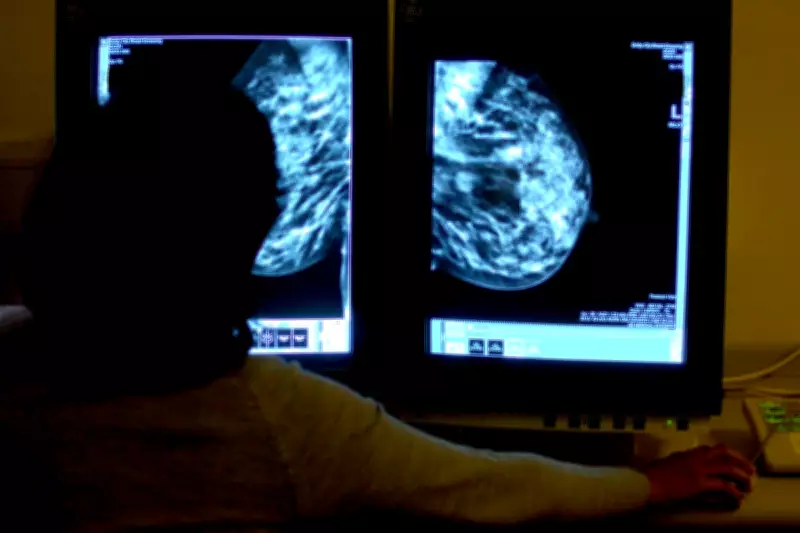
Artificial intelligence (AI) can identify early indicators of heart disease during routine breast cancer screenings, according to groundbreaking new research. Experts have leveraged AI technology to detect calcification in breast arteries from standard mammograms, a substance strongly linked to an increased risk of heart attack, stroke, and premature death.
Study Findings on Calcification and Heart Disease
A comprehensive study involving 123,762 women has provided critical insights into this connection. The research found that women with mild calcification in their breast arteries faced a 30 per cent higher risk of developing serious heart disease. This risk escalated significantly for those with moderate calcification, jumping to over 70 per cent, and soared to two to three times higher for severe cases. These findings highlight a previously overlooked correlation that could transform preventive healthcare for women.
Potential Impact on Women's Health
The integration of AI into existing breast cancer screening programmes offers a promising solution to address the persistent issue of underdiagnosis in women's heart health. By utilising AI to analyse mammograms, healthcare providers could uncover undiagnosed heart conditions in thousands of individuals, potentially saving lives through early detection. This approach not only enhances the value of routine screenings but also requires no additional infrastructure, making it a cost-effective addition to national mammography initiatives.

Future Implications and Preventive Measures
Researchers advocate that this AI-driven method could facilitate earlier conversations between women and their doctors about preventive steps, such as lifestyle changes or medical interventions. Moreover, the technology holds potential for identifying other serious health conditions during breast cancer screenings, broadening its application beyond heart disease. As AI continues to advance, its role in improving diagnostic accuracy and patient outcomes in women's health is set to expand significantly.