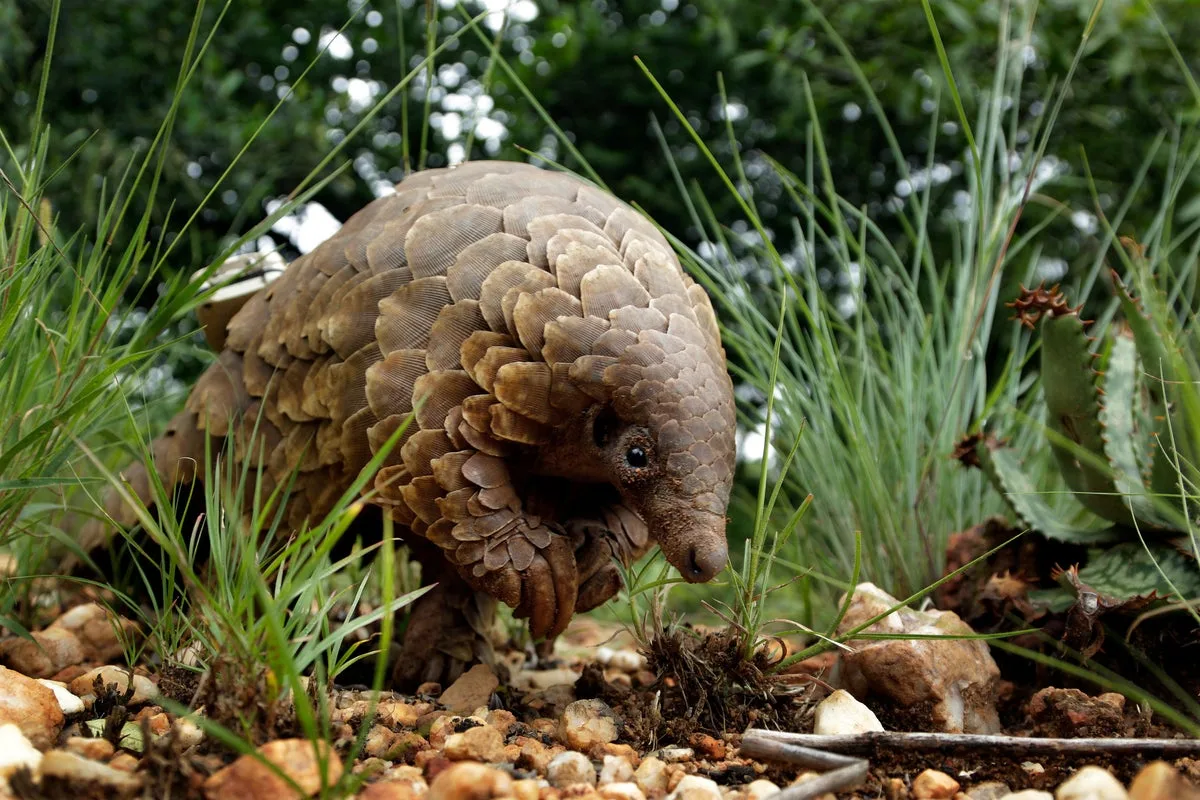
Spanish police have made a significant arrest following the shocking discovery of 15 dead pangolins concealed within a suitcase at Madrid's Adolfo Suárez Madrid-Barajas Airport. The Civil Guard detained a 60-year-old woman who was arriving on a flight from Addis Ababa, Ethiopia, last week after an X-ray scan flagged abnormalities in her luggage.
Customs Inspection Reveals Grim Cargo
During routine customs checks on passengers arriving from Ethiopia last Monday, officers conducted an X-ray examination of the suspect suitcase. The scan revealed irregularities that prompted a physical inspection, leading to the grim discovery of 15 pangolin bodies wrapped in plastic. The total weight of the illegal cargo was approximately 40 kilograms.
The Civil Guard confirmed to media outlets on Thursday that the woman is being investigated as the alleged perpetrator of what authorities have described as a "crime against wildlife." The pangolin carcasses have been transferred to a national regulatory body that oversees the international trade of protected species for further study and assessment.
Global Pangolin Trafficking Crisis
Pangolins hold the unfortunate distinction of being the world's most trafficked mammal, primarily targeted for their scales and meat. The global trade is largely driven by demand from China and other parts of Asia, where pangolin scales are falsely believed to possess medicinal properties capable of curing various ailments when incorporated into traditional remedies. In certain regions of east Asia, pangolin foetuses are also mistakenly considered to be aphrodisiacs.
These unique creatures are protected under the Convention on International Trade in Endangered Species of Wild Fauna and Flora (CITES), an international agreement between governments that Spain has ratified. According to a CITES report published last year, more than half a million pangolins were seized in anti-trafficking operations between 2016 and 2024 alone.
Legal Consequences and Conservation Concerns
"The illegal trafficking of protected species constitutes a serious threat to biodiversity and may be punished with prison sentences and fines, in accordance with the provisions of the Penal Code," stated an official release from Spanish authorities regarding the recent seizure.
Beyond conservation concerns, pangolins gained additional notoriety during the COVID-19 pandemic when researchers suggested that Guangdong Pangolins might have served as intermediate hosts that adapted SARS-CoV-2, potentially representing "a significant evolutionary link in the path of transmission." While some reports indicate a slight downward trend in pangolin trafficking since the pandemic, conservationists warn that these animals continue to be poached at alarming rates across various African regions.
The recent Madrid airport seizure serves as a stark reminder of the persistent challenges facing wildlife protection efforts globally and the sophisticated methods employed by traffickers attempting to transport endangered species across international borders.