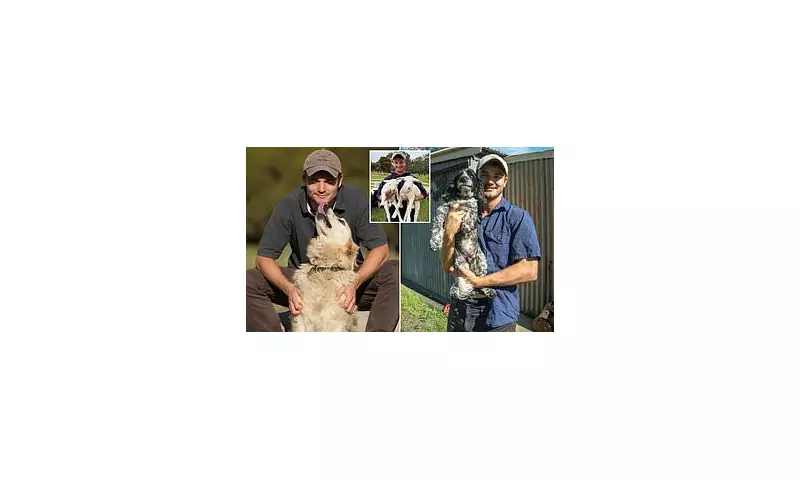
Dr Will Maginness, the former AFL star who traded the football field for veterinary medicine, was treating up to fifteen canine patients daily during his busiest periods at a Geelong animal hospital. With such extensive hands-on experience, it's clear this veterinarian possesses profound insight into our four-legged companions.
The ex-Eagle has cultivated a devoted following over the past decade through his practical guidance, charming animal content, and refreshingly direct cautions for pet owners across Australia. In characteristic fashion, Dr Maginness recently shared his candid perspectives on dog breeds, problematic habits, and common owner errors, providing substantial material for contemplation for anyone thinking of welcoming a furry friend into their home.
Top Five Recommended Dog Breeds
"I always emphasise this first," Dr Maginness begins, "it's never solely about the breed; it's about finding the right match. However, certain dogs generally adapt more successfully to contemporary living conditions."

1. Golden Retrievers
"Honestly, they're difficult to surpass, my preferred breed by a considerable margin," he states. "They exhibit emotional stability, form deep connections with their human families, and simply desire inclusion. Most health concerns I encounter in Golden Retrievers stem from lifestyle and dietary factors rather than inherent genetic flaws."
2. Labrador Retrievers
"A very similar narrative applies here. They make exceptional family pets and are wonderful with children, but their intense food fixation often catches owners unprepared," Dr Maginness explains. "Maintaining a lean physique and providing genuine, wholesome food enables them to age remarkably well. Observing overweight Labradors distresses me; it's unjust and entirely avoidable. They lack self-regulation, so owners must assume responsible control."
3. Cavalier King Charles Spaniels
"These are lovely small dogs with equally lovely dispositions. I express this cautiously because breeding standards are critically important for this breed," he notes. "Our own dog Odi, a Cocker and King Charles cross, is simply the best. Though I might humorously reconsider the Cocker element if given the choice."
4. Greyhounds
"One of the most underappreciated breeds available," Dr Maginness asserts. "Many believe they require constant vigorous exercise, but they don't. Most are expert couch enthusiasts. They're gentle, quiet, and surprisingly suitable for apartment living. Former racing dogs, particularly, often become exceptionally calm and appreciative companions once they adjust to domestic life."
5. Well-Matched Rescue Dogs
"Some of the healthiest and most robust dogs I examine are mixed-breed rescues," he reveals. "When you align the dog's needs with an appropriate lifestyle, you can develop some of the most extraordinary bonds imaginable."
Breeds With Reservations
"I find it challenging to endorse dogs bred primarily for aesthetic appeal, especially when those physical traits impair breathing, mobility, or temperature regulation," Dr Maginness admits. "If a dog experiences breathing difficulties on a warm day, cannot run properly, or is predisposed to chronic illness from birth, that's something I cannot easily support."
He specifically references brachycephalic breeds like Pugs, Bulldogs, and Boston Terriers, where exaggerated features can compromise welfare.
Personal Considerations For Giant Breeds
"I'm genuinely fascinated by large dogs," Dr Maginness confesses. "I'm an enthusiast for giant breeds through and through—consider Bernese Mountain Dogs, Great Danes, Wolfhounds. I adore them all. However, here's the truthful aspect: if I weren't a veterinarian, and if I didn't operate my own fresh food enterprise, 5 Hounds, with access to species-appropriate nutrition at cost price, I would seriously reconsider introducing a giant breed into my household."

"Not because they aren't magnificent animals, but because they incur significant expenses when cared for correctly. Giant breeds require substantial quantities of high-quality, real food daily. Particularly amid current cost-of-living pressures that steer owners toward ultra-processed, inflammatory kibble, we witness premature joint disease, gastrointestinal problems, chronic inflammation, and reduced lifespans. Prospective owners must approach giant-breed ownership with full awareness, considering not just the puppy phase but the long-term costs of properly nourishing a 60-80kg dog for over a decade. I cherish these breeds; I simply want people to support them adequately."
Common Owner Mistakes
"Every owner desires the best for their dog, but several practices have become normalised that perhaps shouldn't be," Dr Maginness observes. "Feeding ultra-processed food daily for life tops my list. The notion that this constitutes canine dietary requirements has been aggressively promoted by the industry and warrants serious scrutiny. Similarly, perceiving a slightly overweight dog as 'normal' or 'cute' is problematic."
Hidden Dangers For Dogs
"Absolutely," he responds emphatically. "Highly processed foods, repeated chemical parasite treatments without individual evaluation, and environmental toxins like lawn chemicals and cleaning products. None create immediate crises, but their effects accumulate over time."
Innocuous Play Activities That Pose Risks
"Yes, and this consistently surprises people," Dr Maginness states. "Stick throwing represents a classic example. I've witnessed terrible injuries—sticks perforating mouths and throats can become life-threatening situations. During my university training, I assisted with surgery on a young Australian Shepherd suffering a stick puncture injury mere millimetres from its carotid artery."
"Compulsive ball throwing can also exacerbate anxiety rather than alleviate it, and it may gradually degrade joint health. I would consistently favour controlled, scent-focused walks instead."
Addressing Canine Loneliness
"They certainly can," Dr Maginness confirms. "Dogs are social creatures, and loneliness affects them not just emotionally but physiologically. Stress hormone levels increase, digestive health deteriorates, and behavioural issues often follow."
He recommends several supportive measures:
- Establishing consistent routines
- Providing mental enrichment activities
- Creating predictable environments
- Ensuring proper nutrition, as a well-nourished nervous system manages stress more effectively
"We frequently underestimate how interconnected these elements truly are," Dr Maginness concludes, offering a holistic perspective on canine wellbeing that combines his professional expertise with genuine compassion for animal welfare.