
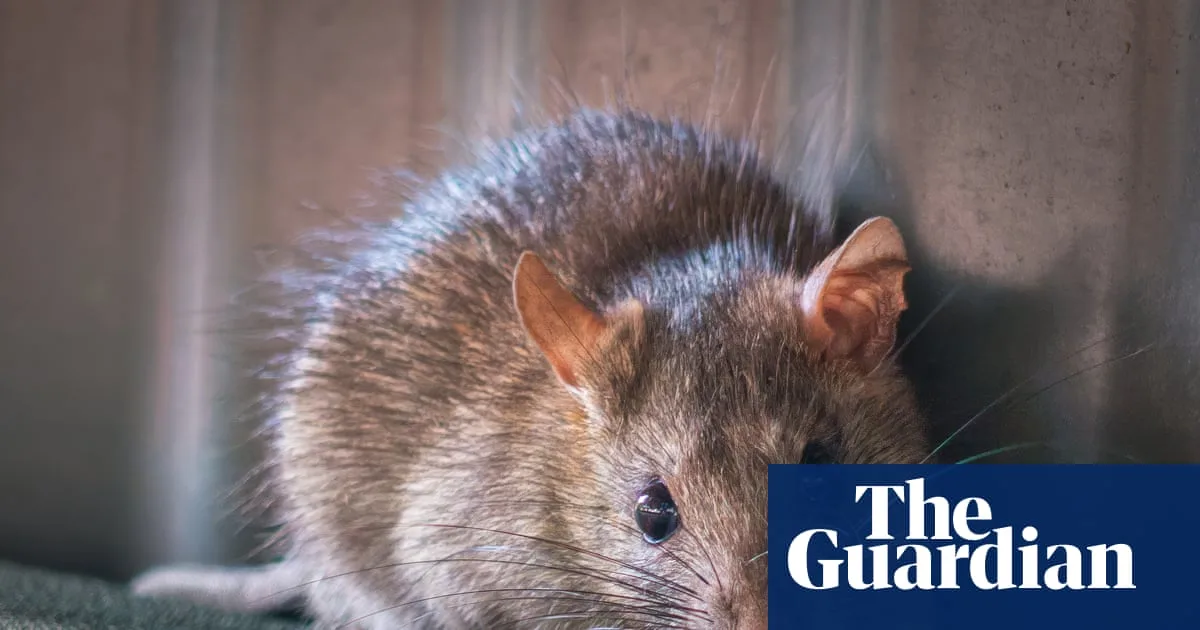
The Australian Pesticides and Veterinary Medicines Authority (APVMA) has recommended that second-generation anticoagulant rodenticides (SGARs) be declared restricted chemical products, potentially removing them from supermarket and hardware store shelves. The move aims to protect native wildlife, including tawny frogmouths, powerful owls, and quolls, which have been found dead after consuming poisoned rodents.
If approved by federal and state governments, the declaration would limit sales of SGARs to licensed professionals, meaning retailers like Bunnings, Coles, and Woolworths could no longer sell them. The APVMA stated it was in the public interest to restrict these poisons, following a long-running review that concluded they pose an unacceptable risk to wildlife.
Interim measures take effect from 24 March, including a ban on outdoor use and a 35-day limit on continuous use. Baits must also be stored in tamper-resistant stations, and retailers must provide consumers with physical copies of new usage instructions. This marks the first restricted chemical product declaration by the APVMA in over a decade.
Conservation groups welcomed the recommendation. BirdLife Australia CEO Kate Millar called it a “terrific step for birds and wildlife,” while wildlife rehabilitator Jessica Crause described the impact on raptors as heartbreaking, noting that poisoned birds often suffer for days before dying.
Retailers responded cautiously. A Bunnings spokesperson said the company would follow APVMA guidance, while Woolworths and Coles are consulting suppliers to understand the implications. Both supermarkets noted they offer alternative products, such as ultrasonic repellents and traps.




