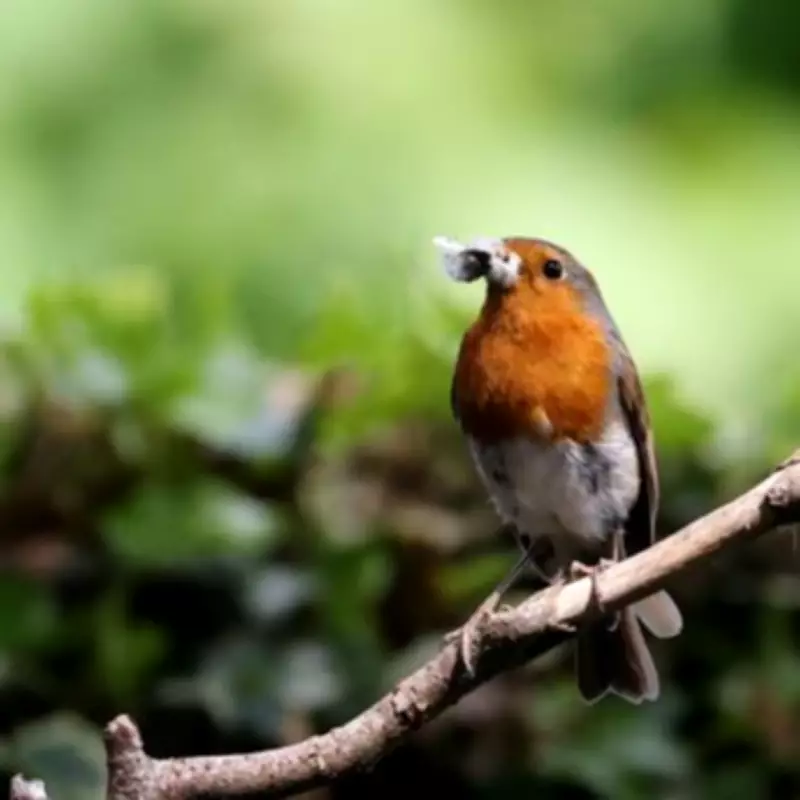
A recent survey has exposed a significant wildlife knowledge gap among Britons, with a quarter admitting they are uncertain they could distinguish between a robin and a red kite. The study, which polled 2,000 adults, found that barn owls, pheasants, and blue tits are among the birds the nation finds difficult to recognize, despite these species being familiar and native to the UK. Kestrels, starlings, and herons also appeared in the top 30 of birds that people struggle to identify.
Digital Overload Blamed for Disconnect
More than a third (34%) of respondents attributed their lack of knowledge and disconnect from the great outdoors to being overwhelmed by digital content. Additionally, 21% said they are more likely to see birds on screens than outside. However, the research also revealed that 36% watch ambient nature content online as a way to unwind.
The survey was commissioned by Forest Holidays to support the launch of 'Nestflix', a tongue-in-cheek, alternative streaming-style platform featuring aptly titled shows such as Beaky Blinders and Game of Crows. These shows are filmed across British forests and aim to help people better connect with the country's wildlife. The nature travel specialist is also partnering with the Get Birding podcast, hosted by Sean Bean, to celebrate the bird life found across the nation's woodlands.

Expert Commentary
Gerry O'Brien, a forest ranger at Forest Holidays, commented: "In today's digital world, it's easy to default to switching on a screen to unwind – but often what we really need is to switch off properly. With Nestflix, we wanted to playfully remind people – via the kind of content they love – that the greatest show on earth actually isn't found on a streaming platform – it's happening all around us in nature. From birdsong at dawn to the fascinating drama of animals in our forests, the natural world offers the perfect antidote to endless streaming, and sometimes, the best way to truly unwind is simply to log into nature."
Negative Effects of Screen Time
The downsides of screen exposure are well documented, with more than half (53%) agreeing that it results in missing out on fresh air and physical activity, while just under a third (32%) also recognize that it affects their sleep quality. Despite this detachment from nature, birdwatching is experiencing a resurgence in popularity throughout the UK, with nearly half of respondents (44%) already taking part in the hobby, whether consistently or occasionally.
This involvement is mirrored in initiatives such as the RSPB's Big Garden Birdwatch, which draws hundreds of thousands of participants annually. Rising enthusiasm is also visible online, with posts tagged #birdwatching on social media platforms continuing to climb.
Benefits of Nature Getaways
When considering a nature-centered getaway, 37% identified the opportunity to unwind and decelerate as most appealing, and 26% recognized this kind of retreat as a chance to boost mental health. Notably, observing wildlife in its natural environment leaves the most enduring impressions for people while away, with 37% of those surveyed via OnePoll stating that forest walks have remained with them most vividly.
Gerry O'Brien added: "Our research shows many people feel disconnected from nature, but it's encouraging to see that they realize the benefit in spending time outdoors and the hugely positive effect that can have on how we feel."
Birds Brits Are Least Likely to Identify in the Wild
The survey also compiled a list of birds that Brits are least likely to identify in the wild. The list includes: Willow Warbler, Blackcap, Woodcock, Dunnock, Skylark, Lapwing, Chaffinch, Jackdaw, Great Tit, Rook, Goldfinch, Wren, Red Kite, Kestrel, Thrush, Swallow, Mallard, Starling, House Sparrow, Kingfisher, Woodpigeon, Blue Tit, Heron, Puffin, Barn Owl, Pheasant, Blackbird, Swan, Robin, and Seagull.