Charity Issues Urgent Warning Over England's 'Forgotten Forests'
Conservationists are sounding the alarm that England is rapidly approaching a critical deadline to rescue its precious ancient woodlands, which have been buried beneath twentieth-century tree plantations. The Woodland Trust has issued a stark warning that the Government is falling dangerously short of its targets to restore these vital ecosystems by 2030.
The Last Chance for Ancient Woodlands
Nick Phillips, the Woodland Trust's lead on forestry policy, describes these areas as the country's "forgotten forests"—native woodlands that were clear-felled or poisoned after the Second World War to make way for monoculture plantations, primarily conifers grown for timber. He emphasizes that the original "amazing and irreplaceable" ecosystem, including unique soils, seeds, and fragments of native plants and trees, is still clinging on but faces imminent peril.
With nearly all plantations now reaching maturity and ready for timber harvesting, a crucial decision looms: clear-felling and replanting them, which would permanently destroy the native woodlands, or taking immediate action to restore them. Phillips warns that this is the "last chance" for these habitats, stating, "We are the last generation to do this."

Restoration Efforts and Challenges
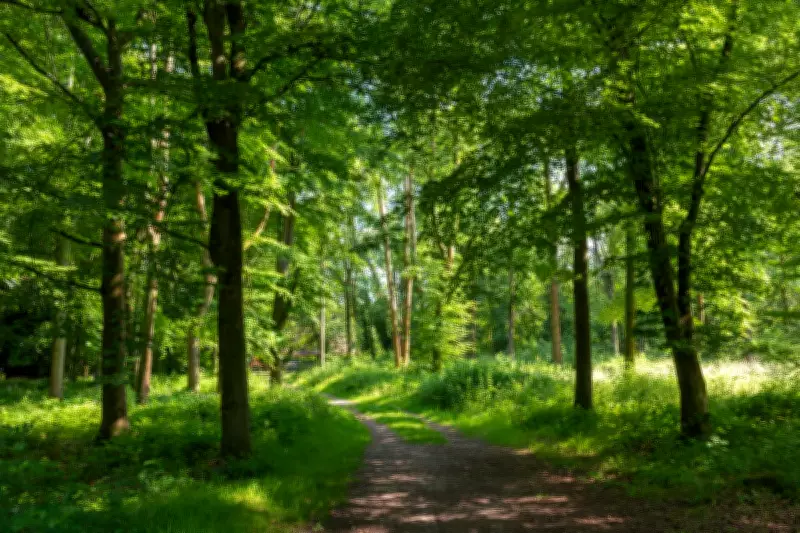
At Penn Wood in Buckinghamshire, the Woodland Trust is demonstrating how restoration can breathe new life into planted ancient woodlands. This site, once threatened by conversion into a golf course, is now undergoing transformation through "continuous cover forestry." Site manager George Griffiths explains that this method involves periodically thinning plantation trees to allow light and space into the woodland, enabling native saplings to grow, mature trees to spread, and forest floor plants to flourish.
"It protects the forest floor and the soils, by not completely getting rid of what's there and having nothing there," Griffiths said. "We're letting nature take its course." The results are visible, with young native birches emerging between moss-covered oaks and bluebells beginning to return, heralding a revival of biodiversity.
Government Targets Falling Short
Approximately 40% of England's remaining ancient woodlands, which now cover just 2.5% of the country, are classified as "planted ancient woodlands." Additionally, almost half of England's rare rainforest habitat, once widespread in western areas, falls into this category. The Government has set a target to restore the majority of plantation on ancient woodland sites to native woodland by 2030, with one-third on public land and the rest privately owned.
However, the Woodland Trust estimates that meeting this goal would require restoring 5,000 hectares of privately-owned forests annually until 2030—an area roughly the size of Birmingham—alongside all public land sites. Alarmingly, Forestry Commission figures reveal that almost no private land has entered restoration in recent years. Phillips warns, "We are running out of time," and highlights that the cost of restoration, around £250 million, is equivalent to just one mile of HS2, making it a feasible investment.
Calls for Action and Legal Protection
The Woodland Trust's "forgotten forests" campaign is urging the Government to provide proper legal protection for ancient woodlands. The charity also advocates for allocating a portion of the £1 billion pledged to tree planting toward these existing woods, arguing that carbon storage and nature goals cannot be achieved without safeguarding them. Phillips stresses the need for a clear rescue plan to meet the 2030 target, noting that while some agricultural grants exist, bespoke funding is essential to connect landowners with resources and restoration advice.
If clear-felling and replanting occur, ancient trees and plants would be exposed to increasingly hot summers and then shaded for decades, sounding the "death knell" for these habitats. "Once they're gone, they're gone," Phillips said. "However much tree planting we do—which is really important—this is not going to replace this. This is where the woodland wildlife is."

Government Response
The Environment Department (Defra) has stated that it is supporting Forestry England in restoring planted ancient woodland sites on the public estate, with 20,000 hectares restored over the past decade. Additionally, the Government reports supporting more than 2,000 hectares of restoration through the countryside stewardship grant scheme, with extra funding for planted ancient woodland restoration beyond standard woodland improvement.
A Defra spokesperson said, "Our majestic ancient trees and woodlands are irreplaceable—vital for wildlife, rich in history, and cherished by communities across the country. Trees are at the forefront of our plans to connect communities with nature, support biodiversity, and that is why this Government has committed £1 billion towards tree planting and support to the forestry sector."
Despite these efforts, the Woodland Trust insists that urgent, accelerated action is needed to prevent the permanent loss of England's ancient woodland heritage, emphasizing that time is swiftly running out to rescue these forgotten forests.