Australia Closes Dozens of Beaches After Fourth Shark Attack in 48 Hours
Sydney Beaches Shut After Four Shark Attacks

Australian authorities have taken the drastic step of closing numerous beaches across New South Wales following a frightening series of four shark attacks in just 48 hours. The incidents have prompted urgent warnings for the public to avoid the ocean and use local swimming pools instead.

A Spate of Attacks Forces Beach Closures

The latest incident, which occurred on Tuesday 20 January 2026, involved a 39-year-old surfer who sustained minor injuries near Point Plomer. This attack followed three others that began on Sunday, creating a climate of fear along the coast.

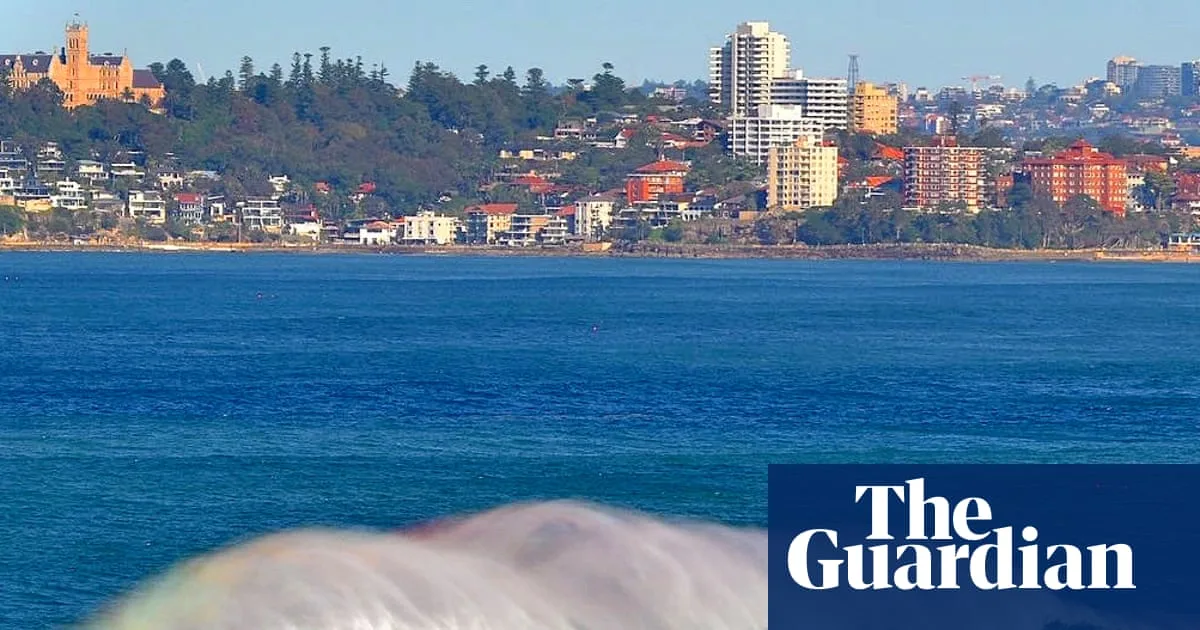
The most serious incidents involved a 12-year-old boy who was critically injured in Sydney Harbour and a 27-year-old man who was also critically injured at the popular Manly beach. In a separate event, an 11-year-old surfer had his board bitten at Dee Why beach, though he escaped physical harm.

What's Driving the Increased Shark Activity?

Experts and authorities have pointed to a clear environmental trigger for the sudden spike in encounters. Heavy rainfall and subsequent runoff have significantly degraded water quality and reduced visibility in coastal areas. This murky water attracts smaller fish, which in turn draw sharks closer to shore in search of prey.

Scientists are also highlighting a longer-term trend linked to climate change. Warmer ocean temperatures, driven by global warming, are extending the amount of time sharks spend in coastal regions. This expansion of their habitat window naturally increases the probability of encounters with humans enjoying the same waters.

Public Response and Safety Measures

The response from officials has been swift and unequivocal. Dozens of beaches across Sydney and the wider New South Wales region have been temporarily closed as a precaution. The clear advice from lifeguards and emergency services has been for people to stay out of the ocean until the situation improves.

The message from authorities has been blunt, with one official succinctly advising the public: “Just go to a local pool.” This series of attacks serves as a stark reminder of the powerful and unpredictable forces of nature, even in areas frequented by swimmers and surfers.

While shark attacks remain statistically rare, this cluster of incidents underscores how environmental factors—from immediate weather events to long-term climate shifts—can rapidly alter risk levels in marine environments.




