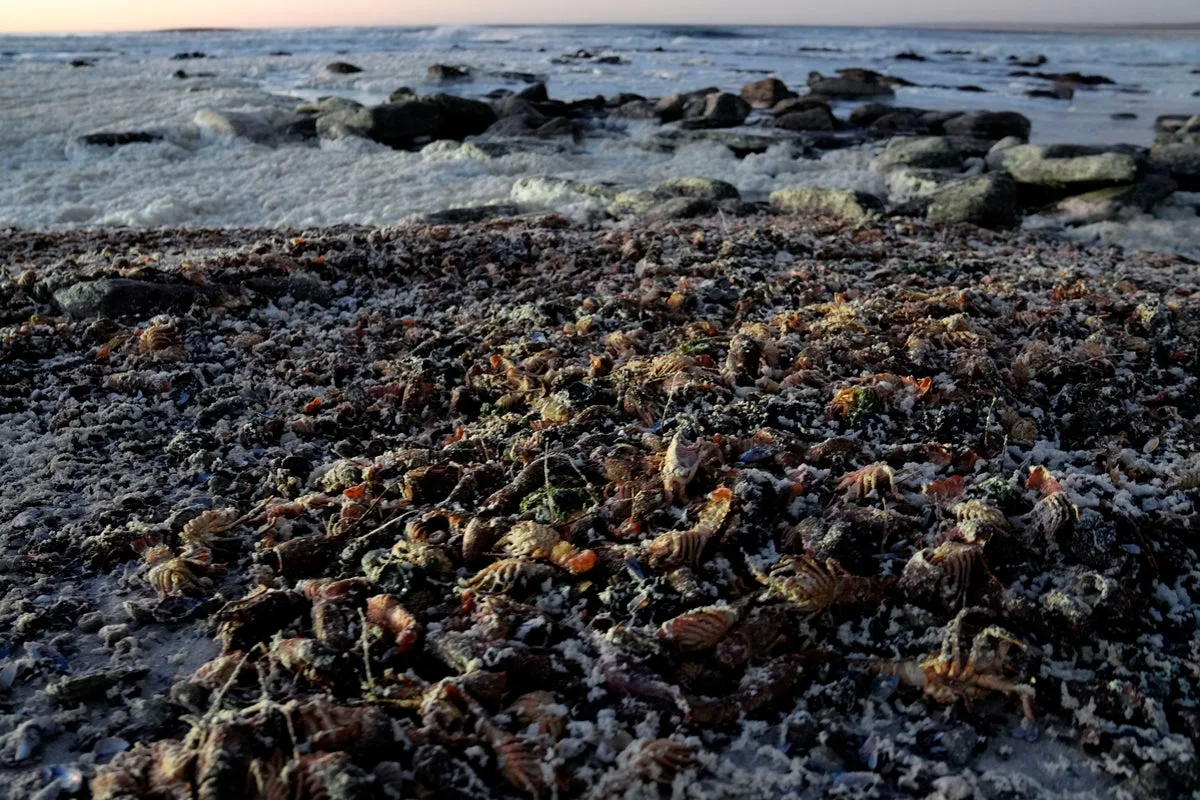
A severe and toxic algal bloom, commonly referred to as a red tide, is wreaking havoc on the marine ecosystem along South Africa's west coast, leading to the mass deaths of crayfish and other ocean life. The phenomenon, which involves colonies of algae growing uncontrollably in the ocean, has prompted urgent warnings from environmental authorities.
Environmental Crisis Unfolds
The South African Ministry of Forestry, Fisheries and the Environment issued a stark alert on Thursday, advising the public against collecting or consuming crayfish from affected areas due to potential toxicity. Police have been deployed to several beaches to enforce these precautions and prevent unsafe harvesting.
Understanding Red Tides
According to the U.S. National Ocean Service, a red tide occurs when algal populations explode, giving seawater a reddish hue and releasing harmful toxins. These toxins are lethal to fish and shellfish, disrupting marine habitats and food chains. While red tides are relatively common in South African coastal regions, the current outbreak is noted for its exceptional severity.
Impact on Marine Life
The ministry reported a mass walkout of crayfish, also known as rock lobsters, at Elands Bay, located approximately 220 kilometers north of Cape Town. In a desperate attempt to escape the algal toxins, crayfish have been emerging from the water, only to perish on the shores. Beaches are now littered with piles of dead or dying crayfish and fish, highlighting the scale of the ecological disaster.
Public Health Concerns
Crayfish are considered a delicacy in South Africa, making this event particularly concerning for local communities. The environment ministry revealed that over 20 individuals had to be removed from one beach while attempting to collect the affected crayfish. Officials emphasized that these shellfish could contain lethal neurotoxins, posing serious health risks if ingested.
Response Efforts
In response to the crisis, ministry officials are actively working to rescue any surviving crayfish and safely dispose of the deceased ones. This effort aims to mitigate further environmental damage and prevent the spread of toxins. The situation underscores the broader challenges of managing harmful algal blooms in coastal areas, which are often exacerbated by factors such as climate change and pollution.
As the red tide continues to impact South Africa's west coast, authorities are monitoring the situation closely, urging residents and visitors to heed safety warnings and avoid contact with contaminated marine life.