Saving Britain's Charismatic Common Toad: A Gardener's Best Friend in Peril
Saving Britain's Common Toad: A Gardener's Best Friend

The Plight of Britain's Common Toad: A Gardener's Ally in Decline

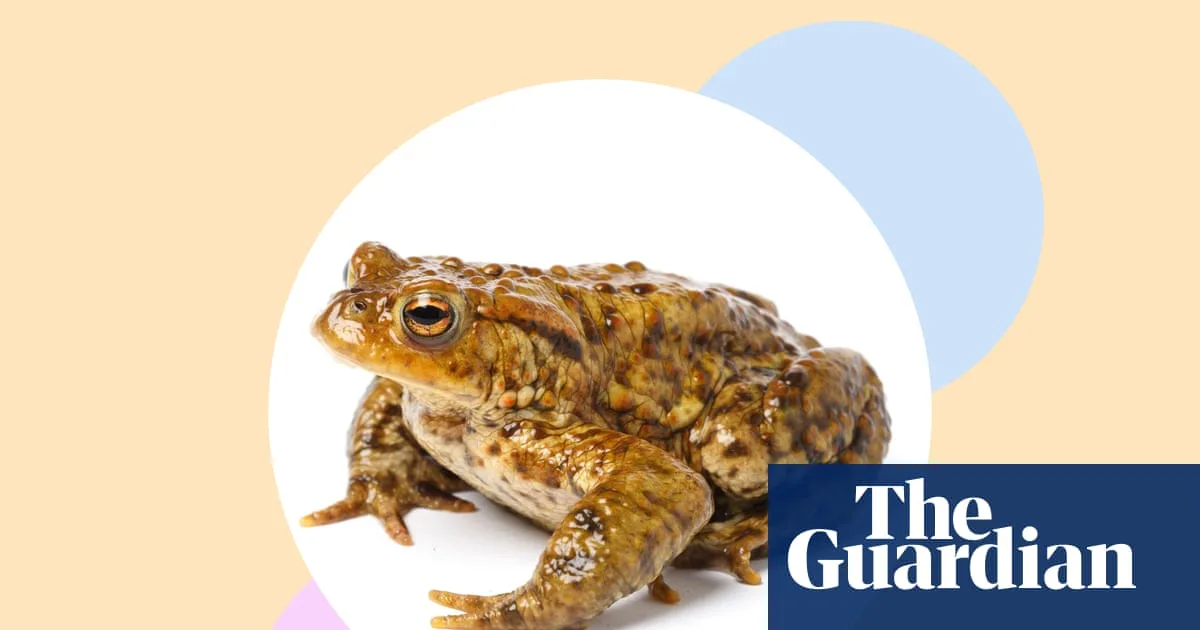
There is a touch of old magic about toads, those shapeshifters of myth, superstition, and folklore. Known scientifically as bufo bufo, the common toad boasts charismatic features like astonishing copper- or gold-coloured eyes and rugged, textured skin. "People say they look warty, which I've always thought is a bit unfair," remarks Dr Silviu Petrovan, a conservationist and toad population researcher.

More prosaically, toads are invaluable for gardens. "We say toads are a gardener's best friend, because they eat all the pests," explains Jenny Tse-Leon, head of conservation and impact at the British amphibian charity Froglife. Their spring migration is a dramatic event, with hundreds of thousands of animals travelling back to ancestral breeding ponds. "Like the wildebeest of the Serengeti," says Tse-Leon. "They're just a lot smaller than wildebeest." During this journey, males often "piggyback" on potential partners, riding on females' backs to reach the ponds.

Why Toads Need Urgent Saving

A study published last year by Petrovan and colleagues revealed a stark reality: between 1985 and 2021, the population of common toads in the UK fell by 41%, based on counts from toad patrols. "Because these are an abundant species, that represents vast numbers of individuals that have just disappeared," Petrovan emphasises.

Road mortality is a significant factor, as the annual migration coincides with dusk and rush hour, bringing toads into contact with dense road networks. Beyond traffic, the landscape has become increasingly inhospitable. Since 1900, half of the UK's ponds—approximately 400,000—have been lost, with many remaining ones heavily polluted. Construction work destroys woodland habitats, and declining invertebrate populations, such as earthworms, further threaten toad survival.

The climate crisis exacerbates these issues. Warmer winters cause toads to expend energy without feeding, reducing body condition and leading to fewer offspring produced by females.

How You Can Help Save Toads

Here are six practical ways to support these endangered amphibians:

  1. Join a Toad Patrol: Volunteers across the country assist toads during spring migrations by safely moving them across roads. Since 1974, patrols have helped over 2 million toads, while collecting vital data for research. Mike Collins, a patroller in Bath, notes a drop in casualty rates from 60% to 3% in his area, highlighting the power of community effort.
  2. Build a Pond: Adding water to gardens or community spaces boosts biodiversity. Even small ponds attract insects and amphibians, though breeding may require larger, deeper waters. Froglife's Just Add Water leaflet offers detailed guidance.
  3. Leave Spawn Alone: Avoid collecting wild frog and toad spawn, as this can spread diseases. Traditional practices of moving spawn are discouraged to protect local populations.
  4. Create a Winter Toad Hall: Provide shelter for brumation by leaving areas overgrown, maintaining leaf litter, or building hibernaculums—log piles covered with soil—to offer stable temperatures.
  5. Make Green Spaces Toad-Friendly: As ambush predators, toads thrive in gardens with diverse insect life. Avoid pesticides, plant wildflowers, and include longer grass areas that stay cooler for foraging.
  6. Lobby Your MP: Support initiatives like Wildlife and Countryside Link's six "asks" for the water reform bill, which advocate for tougher regulations and protected wetland corridors.

Now is the time to act, as toads migrate during wet, mild spring days. By getting involved, you can help preserve these charismatic creatures for future generations.