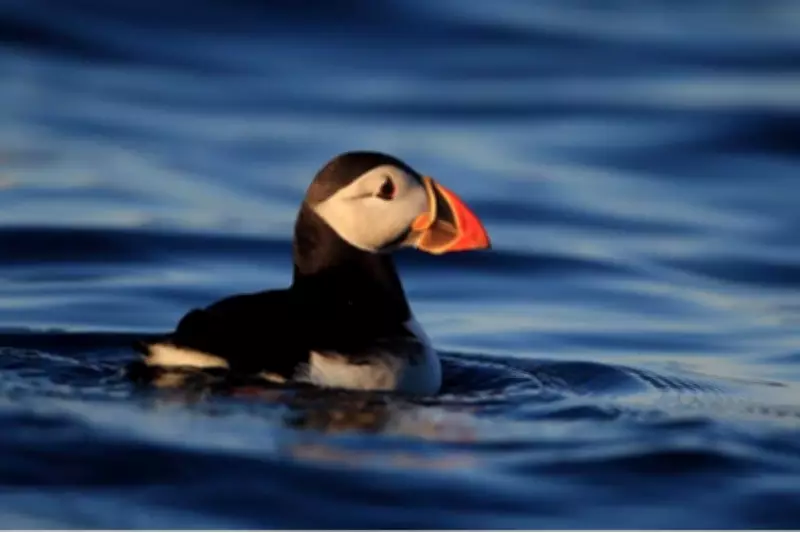
Record-Breaking Puffin Count on Skomer Island Signals Conservation Success
In a remarkable development for wildlife conservation, Skomer Island, located off the Pembrokeshire coast in Wales, has documented an unprecedented puffin population this year. The annual census revealed a total of 52,019 puffins, marking a substantial surge from the previous record of 43,626 set just last year. This increase provides a crucial boost for the species, which is classified as "vulnerable" to global extinction on the IUCN Red List and is also red-listed in the United Kingdom due to ongoing threats.
Conservation Efforts and Methodology
The puffin count on Skomer Island is conducted through a meticulous and consistent method that has been employed for over four decades. Conservationists use binoculars to systematically tally puffins across various habitats, including on land, in the sky, and at sea. This long-standing approach ensures data comparability and reliability, allowing researchers to track population trends accurately over time. The dedication to this method underscores the importance of rigorous monitoring in understanding and protecting vulnerable species.
Factors Behind the Population Surge
Leighton Newman, the warden of Skomer Island, expressed pleasant surprise at the thriving puffin population, noting that this success bucks the trend of declining numbers observed at many other UK sites. The increase is attributed to several key factors:
- Abundant Food Sources: An abundance of fish, particularly for chicks, has led to high breeding success rates, supporting healthy growth in the population.
- Absence of Predators: The island remains free from invasive predators like rats, which can devastate puffin colonies by preying on eggs and young birds.
- Favorable Environmental Conditions: Stable and supportive habitats on Skomer have contributed to the species' resilience, offering a safe haven amidst broader ecological challenges.

This record-breaking count not only highlights the effectiveness of local conservation strategies but also offers a beacon of hope for puffin populations globally. As climate change and human activities continue to threaten wildlife, the success on Skomer Island serves as a model for how targeted efforts can lead to positive outcomes for endangered species.