Gardeners Urged to Protect Caterpillars as UK Moth Numbers Plummet
As spring unfolds and plants burst into life, gardeners across the UK often find themselves in a battle against caterpillars that munch on their prized cabbages and ornamentals. Traditionally, gardening advice has focused on methods to eliminate these plant-eaters to prevent unsightly holes. However, in a significant shift, the Royal Horticultural Society (RHS) and the Wildlife Trusts are now calling for a more relaxed attitude towards caterpillar carnage to support the moths they develop into.
Moth Populations in Crisis
Moth populations are experiencing a dramatic decline, with charities warning that many of the UK's 2,500 species are at risk. Since the 1960s, moth numbers have plummeted by 33%, driven by factors such as habitat loss, climate breakdown, and pollution. Helen Bostock, a senior wildlife expert at the RHS, emphasised the importance of moths, stating, "Moths have long played second fiddle to butterflies in the garden but understanding their value and needs, and that of their very hungry caterpillars, can support their recovery and help in creating a garden rich in biodiversity."
Moths are not only vital in their own right but also serve as a crucial food source for other at-risk garden wildlife, including birds, mammals, and larger insects. Some caterpillar species are generalists, marauding around gardens and eating a wide variety of plants, while others are specialists with specific dietary preferences. The RHS encourages gardeners to appreciate these diverse creatures, noting that while some caterpillars are large, green, and easily spotted, others are camouflaged to resemble twigs, bark, or even bird droppings.

Transformation into Striking Moths
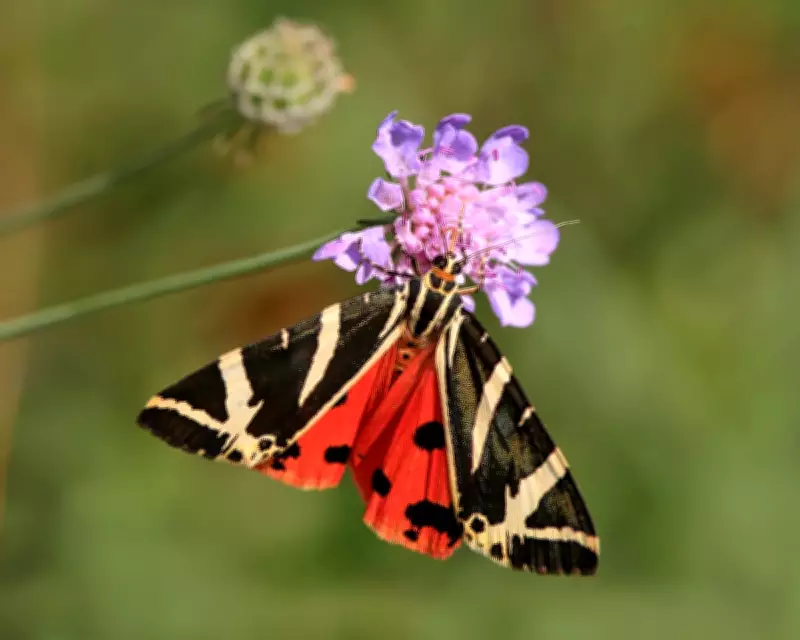
Caterpillars require substantial energy to undergo metamorphosis into moths. The RHS advises gardeners to "allow for nibbling on ornamentals and vegetable crops" and recommends pesticide-free approaches for particularly treasured plants, such as manual removal, physical barriers, and pruning. These caterpillars transform into an array of striking moths, including the pink and green elephant hawk moth, the lunar hornet moth disguised as a wasp, and the contrasting Jersey tiger moth in red, cream, and black, which is becoming more common in the UK as the climate warms.
Caterpillar-Friendly Planting Strategies
To support moth recovery, the charities suggest planting native trees and shrubs that cater to a broad range of caterpillars. Recommended plants include:
- Foxgloves: Food for several moths, including the lesser yellow underwing, angle shades moth, and setaceous Hebrew character.
- Lady’s bedstraw: A native wildflower with frothy yellow blooms that provides food for the hummingbird hawk-moth, elephant hawk-moth, and bedstraw hawk-moth.
- Mullein: Tall, drought-resistant yellow plants enjoyed by the brightly striped caterpillars of the mullein moth.
- Mint: Provides food for the mint moth and beautiful plume moth, and is also loved by bees.
- Hedges: Mixed native hedges planted with hawthorn, blackthorn, hazel, and dog rose offer food for a multitude of caterpillars.
Vicki Hird, an insect expert at The Wildlife Trusts, highlighted the beauty of moths, saying, "Moths are stunning in name and beautiful by nature. The green, black and white merveille du jour looks as if it’s been exquisitely painted by an artist, and the white ermine appears to be causally draped in a black-spotted cloak with a warm fur ruff." She added, "It’s no wonder the French call moths 'butterflies of the night'. Even little brown moths can have wonderful, intricate markings. Making a simple moth trap is a wonderful way of enjoying these incredible creatures up close before releasing it back into the wild."
By adopting these practices, gardeners can play a pivotal role in conserving moth populations and enhancing biodiversity in their local environments.