A troop of monkeys whose origins remain a mystery is running loose in St. Louis, prompting an official search operation and warnings to local residents.
Official Search Underway for Escaped Primates
Justen Hauser, the city bureau chief of environmental health, confirmed in an update on Saturday 10 January 2026 that multiple monkeys are at large around O'Fallon Park in North City. Initial reports suggested four animals, but the exact number remains unconfirmed. Officials from the Animal Care and Control department began their search on Thursday, with further patrols on Friday failing to locate the primates.
"We are working to get an idea of where they may be hiding or seeking food," Hauser stated. The authorities are now collaborating with specialised partner agencies trained in the safe capture of exotic animals. Once caught, the monkeys will be transferred to a certified exotic animal care facility.

Identity and Potential Danger of the Animals
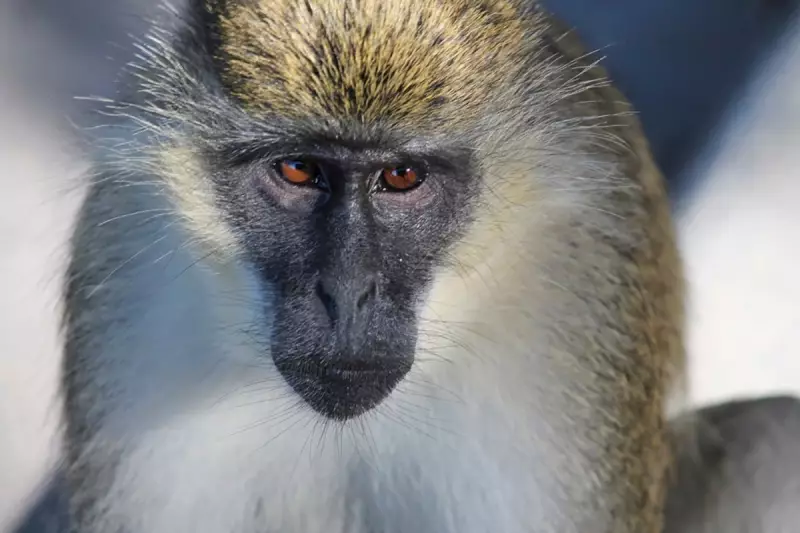
The St. Louis Zoo has identified the loose animals as vervet monkeys, a species native to sub-Saharan Africa. These social primates, sometimes called green monkeys due to their distinctive fur, typically travel in groups known as troops.
This marks the first time the city has had to deal with a group of monkeys "at large." Officials have advised the public to avoid the creatures entirely if they are encountered. The warning has stirred concern amongst locals, with area resident Marva Young telling local media she is now fearful for her pet's safety. "I think of danger because that's a wild animal... I'm scared because I now have to keep my dog inside at certain times because I don't want him to get attacked," she said.
Unknown Origins and Historical Precedent
As of now, the authorities have no leads on where the troop came from. The incident echoes a similar, long-standing situation in Florida, where a troop of vervet monkeys descended from escapees in the 1940s now roams the Dania Beach area.
The Department of Health's environmental health bureau continues to lead the response, emphasising the need for a cautious and professional approach to resolving this unusual urban wildlife situation.