Court Hears Bondi Terrorist's Family Face Death Threats, Seek Name Suppression
Bondi Terrorist's Family Face Death Threats, Seek Name Suppression

Court Hears Bondi Terrorist's Family Face Death Threats, Seek Name Suppression

The family of accused Bondi terrorist Naveed Akram are at serious risk of being killed and should have their names kept from the public, a court has been told. The 24-year-old gunman is seeking a court gag order to prevent publication of the names of his mother, brother, and sister, who say they have received multiple death threats since Akram's arrest.

Unprecedented Public Outrage

On Tuesday, Akram's barrister Richard Wilson SC acknowledged his client had been charged over the biggest terror attack in Australia's history. 'The outpouring of public grief, public outrage and public anger at what he and his father allegedly did are unprecedented, extraordinary and absolutely understandable,' he told a hearing at Sydney's Downing Centre Local Court. 'However, there is no suggestion his mother, brother or sister had anything to do with it.'

Wilson argued that angry, misguided individuals keen to be vigilantes could target Akram's mother and siblings, adding that some already had. The family had received death threats and had been intimidated by groups of men turning up at their western Sydney home late at night.

Specific Threats and Intimidation

The court heard detailed accounts of the threats:

  • An unknown male asked Akram's mother over the phone: 'Are you still alive?'
  • Someone else told Akram's brother on WhatsApp: 'We're going to kill you.'
  • Their home had been vandalised, with pork chops thrown onto the driveway.
  • People had driven past in utes yelling slurs and death threats.
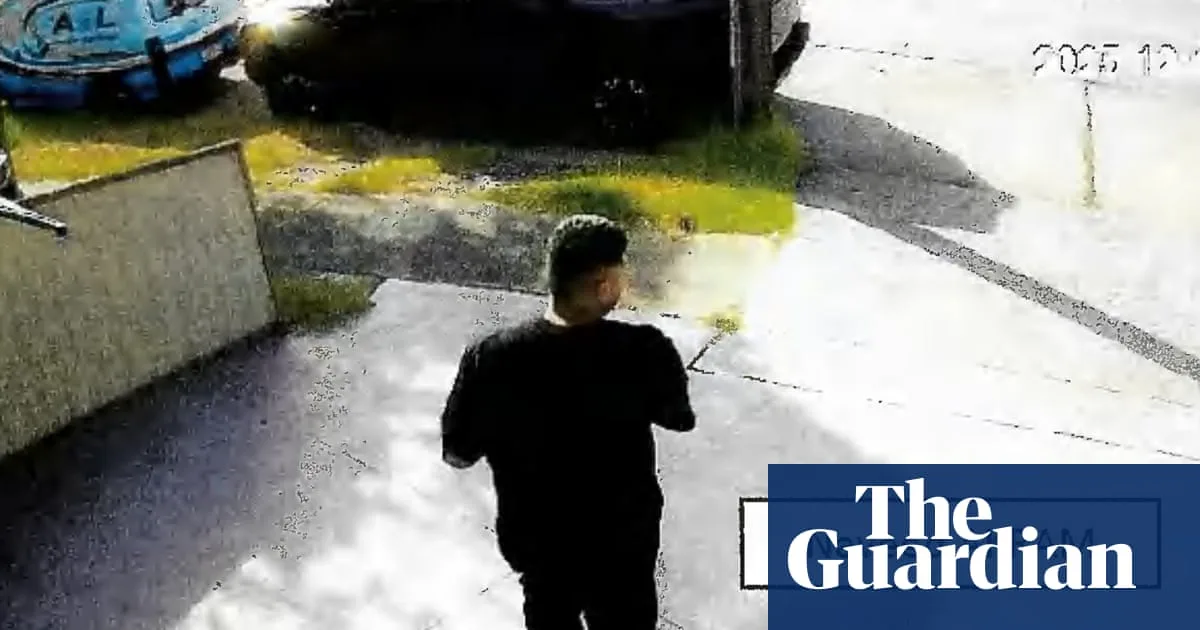
  • Akram's driver's licence was distributed widely online minutes after the December 14 attack.

Wilson stated the suppression order was needed because there was a catastrophic risk that one of Akram's family members could be killed. There was also a risk of mental harm with the family living in a state of fear. While details of the family had already been published, the gag order would have a dampening effect on future threats, he argued.

Media Opposition and Legal Arguments

Several media outlets opposed the suppression application, arguing transparent reporting could be therapeutic for the community. This was especially important due to the hostility and raw emotion felt after the massacre, the outlets' barrister Matthew Lewis SC said. 'The public requires confidence to know that an alleged terrorist who's affected the worst terrorist offence in Australian history is going to be held to justice,' he told the court.

Lewis cast the gag order as futile due to the names and address of the family having already been widely reported nationally and overseas. He also attacked evidence from Akram's mother and brother as speculation, saying there was no expert evidence proving the likelihood and imminence of any risk towards the 24-year-old's family.

However, the lawyer representing News Corp, Nine newspapers, the Guardian and the ABC acknowledged the Akram relatives' plight. 'The court could have sympathy with Akram's mother and siblings, finding they were three further people impacted by the Bondi attack,' Lewis said.

Background of the Attack

A 10-year-old girl was among 15 people killed when Akram and his father, 50-year-old Sajid Akram, opened fire on a Hanukkah celebration at Bondi Beach on December 14. Akram has not yet been required to plead to dozens of charges, including terrorism offences and multiple counts of murder. His father was killed by police during their alleged terror attack, which was Australia's deadliest mass shooting since 1996's Port Arthur massacre.

A box-like bomb was found in the boot of their car while two hand-painted ISIS flags were also in the vehicle. Akram silently watched the hearing by audiovisual link from Goulburn's supermax prison, often bowing his head. The magistrate is expected to make a decision on the suppression order on April 2.