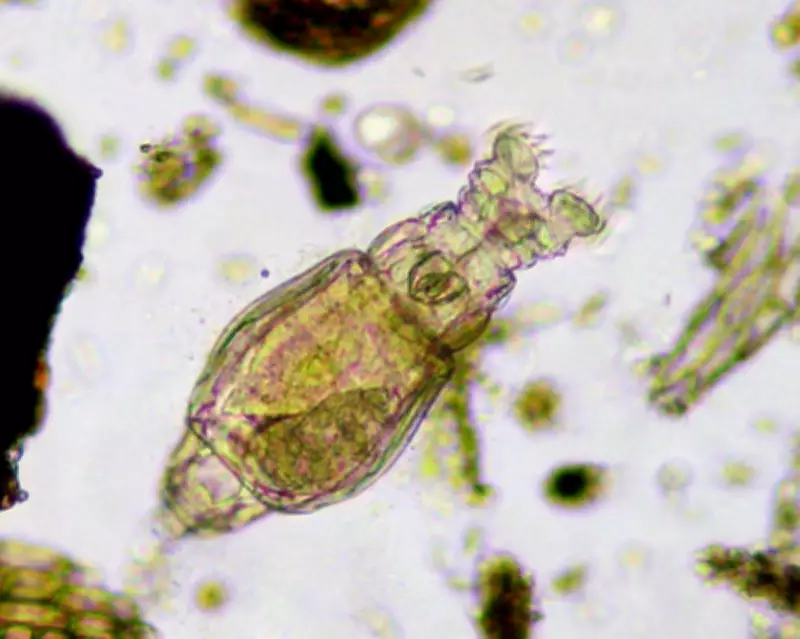
Country Diary Unveils World of Microscopic Monsters
In a fascinating entry from a country diary, naturalists have documented the existence of tiny creatures, each measuring less than a millimetre in length. These microscopic monsters, often overlooked in everyday observations, inhabit various local ecosystems, from soil and water to leaf litter and decaying matter.
Exploring the Minuscule Biodiversity
The diary highlights how these minuscule organisms play crucial roles in their environments. Despite their small size, they contribute significantly to nutrient cycling, decomposition, and food webs. Species such as tardigrades, rotifers, and certain types of mites are among the notable examples, known for their resilience and adaptability in harsh conditions.
Observations and Discoveries

Through careful observation with microscopes, the naturalist recorded detailed behaviors and physical characteristics of these creatures. For instance, some exhibit unique survival mechanisms, like cryptobiosis, allowing them to withstand extreme temperatures and desiccation. The diary emphasizes that these microscopic monsters are not just curiosities but vital components of ecological balance.
Implications for Environmental Understanding
This exploration sheds light on the importance of studying microfauna for broader environmental insights. By understanding these tiny life forms, researchers can gain better knowledge of ecosystem health, pollution impacts, and climate change effects. The diary serves as a reminder that biodiversity extends far beyond visible species, encompassing a hidden world teeming with life.
In summary, the country diary entry offers a glimpse into the remarkable realm of microscopic monsters, underscoring their ecological significance and the need for continued scientific inquiry into these often-ignored organisms.