Stranded Humpback Whale on German Coast Faces Final Rescue Effort
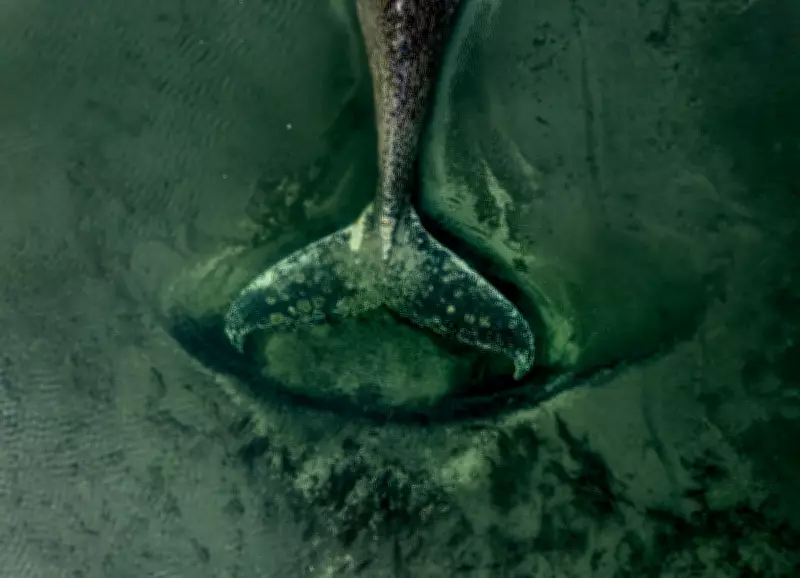
A humpback whale has been stranded on a sandbank off the island of Poel in Germany's Baltic Sea coast for several weeks, with a final rescue attempt underway. The animal is severely weakened, and efforts to save it involve inflating cushions to float it back to sea, streamed live on YouTube.
Environmental Parable of Human Impact
This stranded whale serves as a powerful metaphor for humanity's complex relationship with marine life. While empathy for these intelligent creatures grows, human activities such as shipping, fishing, and industrial noise continue to threaten their survival. The seas are increasingly dominated by human influence, leading to shrinking habitats and rising dangers.
Historical and Scientific Context of Whale Strandings
Humpback whales are relatively new to the North Sea, with sightings increasing since the 2000s, though archaeological evidence from Viking settlements like Haithabu suggests they once thrived there. Recent strandings include at least 10 sperm whales across northern Europe this year, and clusters of beaked whales, possibly linked to human-generated noise or solar flares disrupting navigation.

Public Reaction and Ethical Dilemmas
The plight of the German humpback has sparked public distress, with calls to marine rescue centres and past incidents, such as a 2012 stranding in the Netherlands, leading to protests and death threats. The International Whaling Commission advocates for palliative care in such cases, emphasising humane responses when rescue is unfeasible.
Cultural and Historical Perspectives on Strandings
Historically, stranded whales were viewed as omens, with engravings from the 16th and 17th centuries linking them to astrological events. Modern science explores causes like solar flares affecting whale GPS systems, while contemporary threats include military sonar and seismic surveys, highlighting ongoing human impact on these majestic animals.