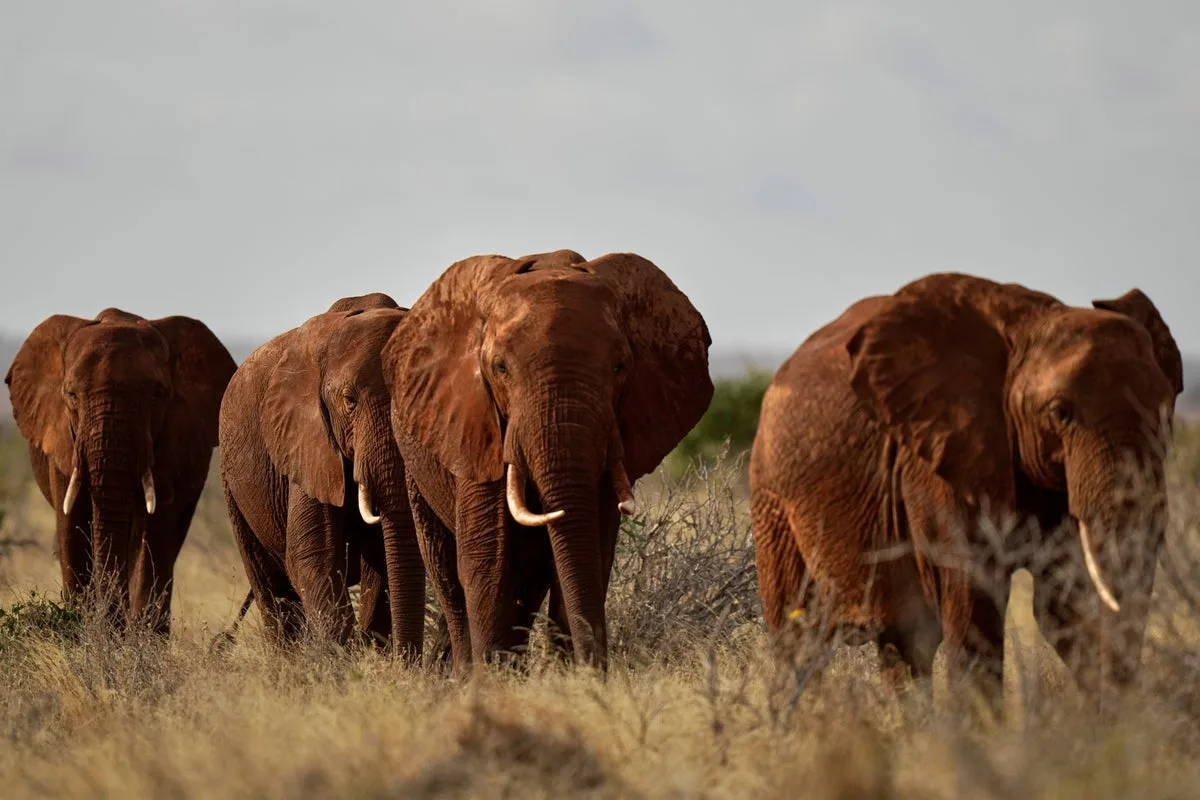
Protests have erupted in Kenya following a week of fatal elephant encounters that claimed four lives, highlighting escalating human-wildlife conflict. One elephant, believed responsible for two deaths, was shot dead in Kajiado County.
Experts link the crisis to vegetation scarcity. The Kenya Wildlife Service has appealed for calm and restraint. "Preliminary observations indicate that the elephant involved had injuries consistent with spears and arrows, pointing to a possible prior confrontation," the service said in a statement.
Residents have reported an increase in the number of elephants roaming the Ole Tepesi area of Kajiado County, which experts attribute to competition for resources. Kenya has had below-average rainfall during the ongoing short rains season. Local authorities said the latest victim was a man attacked by an elephant while herding goats on Tuesday.
The Kenya Wildlife Service pledged to "strengthen prevention measures, improve early response and reduce the risk of future incidents." Kenya's government runs a compensation program under which thousands of people injured or killed by wild animals have received millions of Kenyan shillings over the years.