Project Hail Mary is a top-shelf piece of nostalgia, but its existence raises concerns about the direction of modern cinema. The film, directed by Phil Lord and Christopher Miller, channels the aesthetic of late 1970s sci-fi with such precision that it feels like a relic from that era. While this is a technical achievement, it also reinforces the idea that analogue filmmaking is a thing of the past, rather than something that can be integrated into contemporary styles.
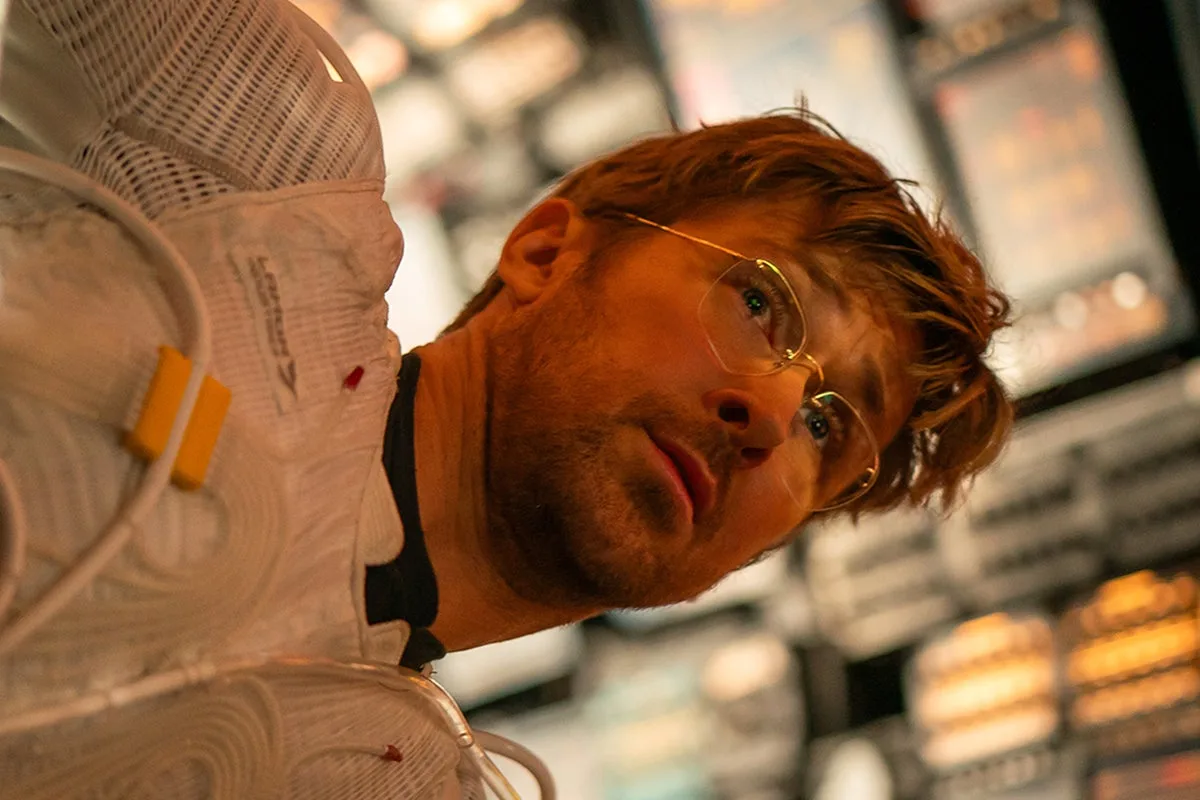
Despite these broader implications, the film itself is immensely likeable. Ryan Gosling stars as Ryland Grace, an ordinary man who wakes up on a spaceship with no memory of his mission. He soon befriends an alien, and together they work to save their respective planets from a sun-devouring threat. The story blends elements of Spielberg and Kubrick, offering a familiar yet fresh experience.
The production design is outstanding, with costumes by David Crossman and Glyn Dillon that are as iconic as Marty McFly's orange puffer vest. The science is pitched at an accessible level, making audiences feel smart without overwhelming them. Gosling's performance as a goofball mirrors his role in Barbie, proving that his coolness is essential for such a character.

Cinematographer Greig Fraser, known for Dune and The Batman, delivers stunning visuals, whether in 70mm, IMAX, or other formats. The film's mix of practical sets and VFX creates an immaculate look. Sandra Hüller provides a grounded presence as a representative of Earth's intellectual elite, while the alien buddy comedy dynamic keeps the narrative engaging.
Project Hail Mary is designed to evoke childhood memories, with deliberate nods to classics like 2001: A Space Odyssey and Close Encounters of the Third Kind. While it may not signal a bright future for cinema, it might remind audiences why they fell in love with the medium in the first place. Sometimes, looking back helps us move forward.