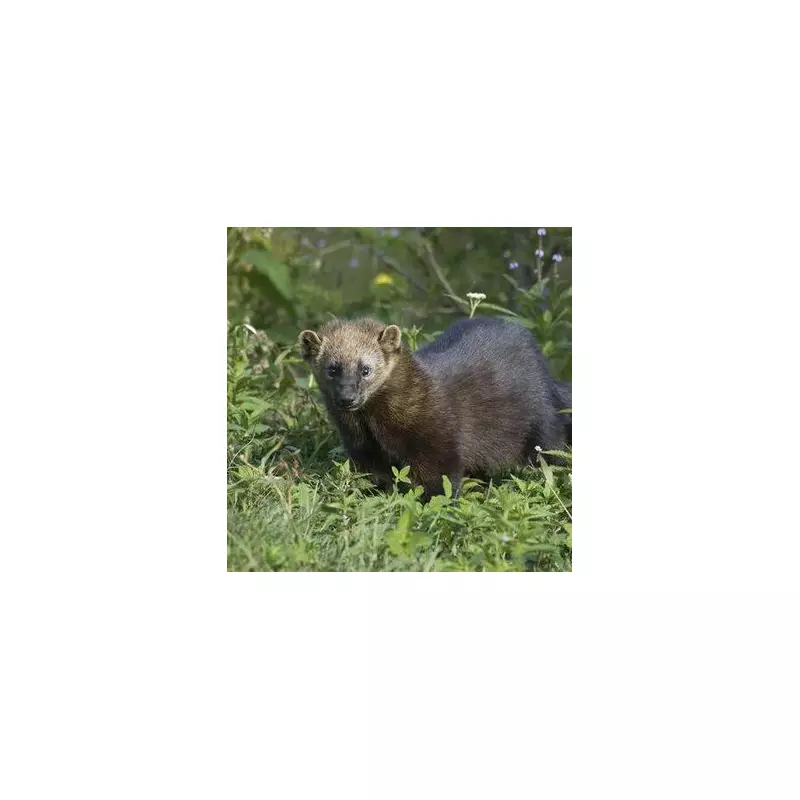
In a remarkable development for wildlife conservation, a fisher has been captured on trail cameras at Cleveland Metroparks in Ohio, United States. This sighting represents the first documented appearance of this medium-sized mammal in the region for over a century, specifically since it disappeared during the mid-1800s.
Historic Sighting Confirmed by Authorities
Cleveland Metroparks shared the exciting footage on social media, with officials declaring the event "tremendously exciting." The Ohio Division of Wildlife has officially confirmed that this sighting in Cleveland Metroparks constitutes the first record in Cuyahoga County since the species originally vanished in the 1800s.
These animals are indigenous to North American forests and had been completely absent from Ohio for generations. They are found exclusively in Canada and the United States, with no historical records existing in Britain or elsewhere in Europe.

Conservation Success Story
Fishers are listed as 'Species of Special Interest' by the Ohio Department of Natural Resources. According to wildlife experts, the fisher was extirpated in Ohio by the mid-1800s primarily due to unregulated harvest and significant habitat loss.
This discovery represents yet another extirpated native Ohio mammal species to be documented for the first time in Cleveland Metroparks. The return of fishers follows similar successful reintroductions of other species including otters, bobcats and trumpeter swans.
Ecological Significance
These conservation achievements highlight the importance of maintaining healthy forests, wetlands, waterways and natural areas within Cleveland Metroparks. The recovery demonstrates how dedicated environmental management can facilitate the return of native species that had previously been lost from regional ecosystems.
Understanding the Fisher
Despite commonly being called "fisher cats," these creatures are not actually felines but belong to the weasel family. According to wildlife organizations like Scenic Hudson, fishers are solitary animals with particular dietary preferences.
Contrary to what their name might suggest, fishers rarely consume fish. Their diet primarily consists of:
- Fruit and mushrooms
- Reptiles and amphibians
- Birds and bird eggs
- Squirrels and other small mammals
This unexpected return after more than 100 years represents a significant milestone for conservation efforts in Ohio and offers hope for the recovery of other native species across North American ecosystems.