As winter tightens its grip, natural food sources for Britain's bird populations become scarce, presenting a significant challenge to their survival. However, gardeners across the UK can play a crucial role in supporting local wildlife by providing supplemental nourishment. The key to success lies not just in putting out food, but in understanding one critical, year-round detail: the specific seasonal dietary needs of different bird species.
The Right Food for the Right Season
According to Richard Green, a bird feeding specialist from Kennedy Wild Bird Food & Pet Supplies, a one-size-fits-all approach to bird food is a common pitfall. To truly help feathered visitors, their changing nutritional requirements throughout the year must be considered.
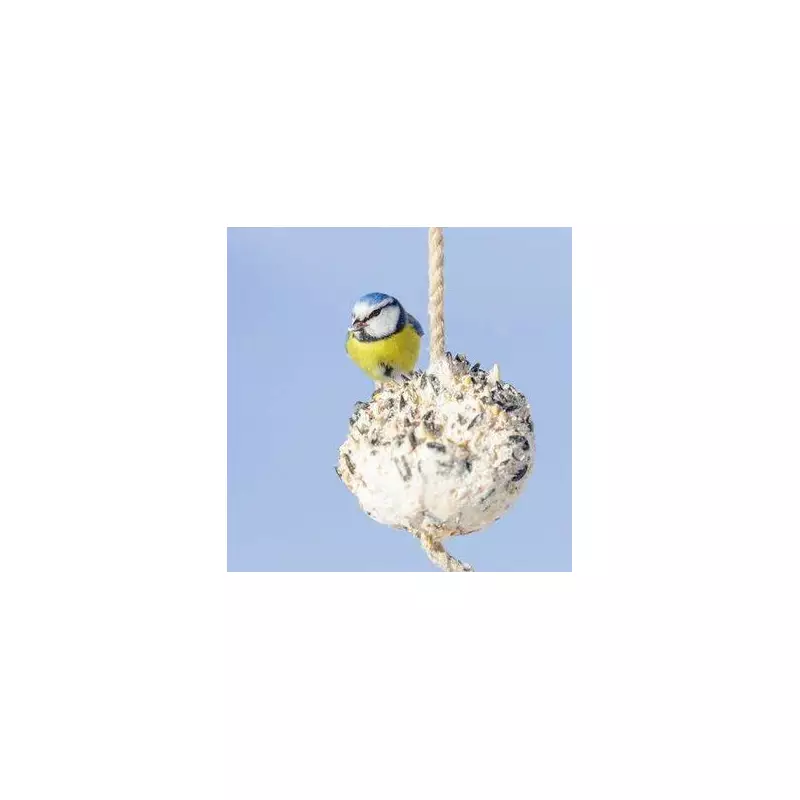
"Get nutritious seeds like sunflower, nyjer, and safflower, and avoid fillers such as bread or cracked corn," Green advises. He emphasises the importance of seasonal adjustments: "Think about the season too, as suet is good for winter, while nectar is perfect for summer." Providing high-energy suet and fats during the cold months helps birds maintain vital body heat, whereas summer offerings like nectar support species such as hummingbirds during their most active period.

Choosing and Positioning Your Feeder
Selecting the correct feeder type is equally vital for attracting a diverse range of birds to your outdoor space. Different species have distinct feeding preferences.
"Small birds, like finches and tits, favour tube feeders," explains Green. "While ground-feeding birds like robins prefer platform feeders." After choosing an appropriate feeder, strategic placement within your garden is crucial for both safety and success.
Green stresses several key points for positioning: Place feeders in a sheltered spot, away from predators and at least one metre from windows to prevent fatal collisions. Ensuring feeders are sturdy and weather-protected will keep food dry and encourage regular visits.
"Make sure the space is safe, as animals like cats and squirrels pose a real threat," he adds. Positioning feeders near bushes or trees gives birds protective cover and a quick escape route, limiting access for larger predators and giving birds the confidence to feed and return safely.
Ongoing Maintenance for a Healthy Habitat
The responsibility of a bird-friendly gardener extends beyond simply filling a feeder. Regular maintenance is essential to prevent inadvertently harming the wildlife you aim to help.
"A thorough clean every couple of weeks is important," Richard Green warns. "Dirty feeders are a breeding ground for bacteria, mould, and disease. Birds are much more likely to visit feeders that are well-maintained." A simple clean with a mild disinfectant can prevent the spread of infections like trichomonosis.
Alongside providing the right food in a clean feeder, ensuring a supply of fresh, clean water for drinking and bathing is a critical yet often overlooked step. Water is vital year-round, especially during freezing weather when natural sources may be iced over, and in summer when temperatures rise.
By following these expert guidelines—selecting seasonal nutrition, using appropriate feeders, positioning them safely, and committing to regular cleaning—you can transform any garden, balcony, or outdoor space into a vital sanctuary for British birds. This thoughtful approach supports local ecosystems and offers the simple joy of watching wildlife thrive throughout the changing seasons.