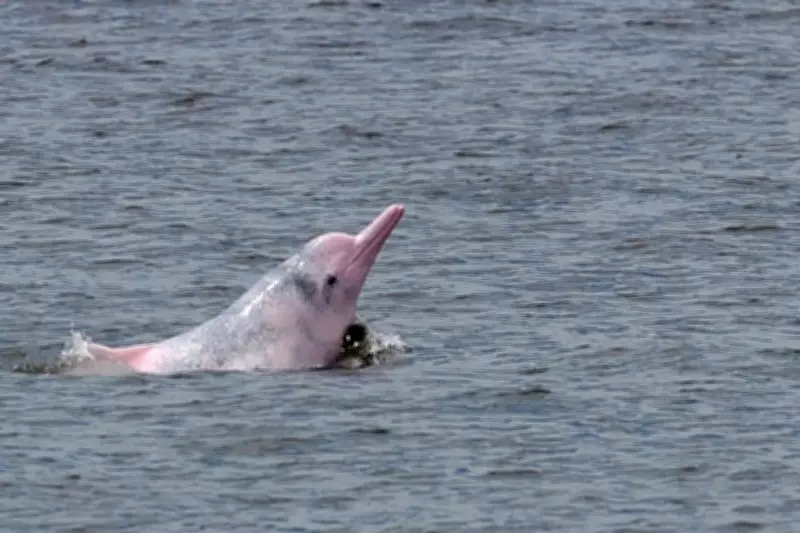
E-Waste Chemicals Found in Dolphin Brains: A Critical Wake-Up Call
Toxic chemicals from household electronics have been discovered accumulating in the brains of dolphins and porpoises in the Indo-Pacific region, according to a groundbreaking new study. The research, published in the journal Environmental Science & Technology, highlights an urgent need for regulatory action to curb e-waste pollution and protect marine ecosystems.
The Source of the Contamination
Liquid crystal monomers, or LCMs, are chemical components commonly found in laptop, television, and smartphone screens. These substances control how light passes through electronic displays and are known as persistent pollutants due to the widespread use of such devices. While previous studies have indicated health risks to humans and aquatic species, the full extent of their threat to marine life has remained poorly understood until now.
The new study demonstrates that LCMs can accumulate in various tissues of dolphins and porpoises, including blubber, muscle, and critically, the brain. This accumulation shows their ability to cross the blood-brain barrier, a protective mechanism that typically shields the brain from harmful substances.

Research Findings and Implications
Scientists analysed tissue samples from Indo-Pacific humpback dolphins and finless porpoises collected in the South China Sea between 2007 and 2021. This area serves as a critical habitat for these endangered marine animals. Researchers tested for 62 different LCM chemicals and identified four main LCMs previously detected in smaller fish and invertebrates.
This discovery indicates that the pollutants enter marine mammals through their diet rather than directly from water, suggesting a concerning transfer up the food chain. The LCMs found primarily originated from television and computer screens, with smaller contributions from smartphones.
Laboratory tests further revealed that these chemicals altered gene activity in cultured dolphin cells, affecting crucial processes like DNA repair and cell division. "The findings suggest that LCMs may pose potential risks to the nervous system and other organs of marine mammals, warranting further investigation into their toxicological effects and possible implications for human health," the study noted.
Expert Commentary and Call to Action
Dr. Yuhe He, an author of the study from the City University of Hong Kong, emphasised the gravity of the situation. "This is a wake-up call. The chemicals powering our devices are now infiltrating marine life, and we must act now on e-waste to protect ocean health and, ultimately, ourselves," Dr. He stated.
He added, "Our research reveals that LCMs from everyday electronics are not just pollution – they are accumulating in the brains of endangered dolphins and porpoises." The study underscores the need for:
- Urgent regulatory measures to control e-waste disposal
- Improved recycling and waste management systems
- Further investigation into the effects of LCM pollution on wildlife
- Enhanced public awareness about electronic waste impacts
This research marks a significant step in understanding how pollutants from human technology are permeating natural environments, with potentially devastating consequences for biodiversity and ecosystem health.