Juvenile Crocodile Captured in Australian Creek Far From Tropical Habitat
A juvenile crocodile has been captured in an Australian creek located on the temperate east coast, approximately 1,200 miles south of the species' typical tropical habitat in the country's northern regions. The unusual discovery occurred in Ironbark Creek near Newcastle, a coastal city known for its mild climate, which is situated around 2,000 kilometers from the crocodile's natural environment.
Initial Disbelief and Family Encounter
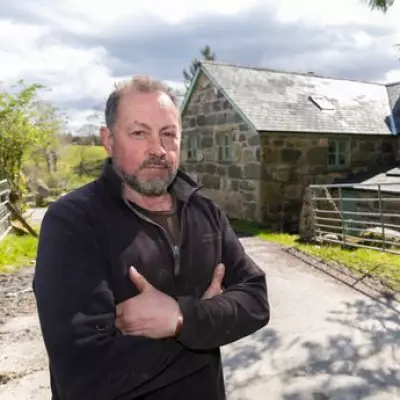
Stephanie Kirsop expressed profound skepticism when her 12-year-old son, Lionel Saunders, phoned her to report a crocodile lurking in the local creek. Lionel and his friends had spotted the meter-long juvenile reptile early on Saturday afternoon, prompting immediate concern. Kirsop recounted her initial reaction, stating she thought it might be a log or an elaborate trick by the children.
"My son took videos because he was trying to convince me it was real and I didn't believe him. It did look like a crocodile but I was like, no it's a log," Kirsop said. "He rang me back a little bit later and he's like: 'I'm so serious mom. You have to come down here and have a look.' The whole drive down there I'm thinking this is going to be a trick. They're going to laugh at me."

Upon arrival, Kirsop's doubts vanished as she witnessed the crocodile swimming in the creek, a location frequented by local children for fishing and occasional swimming. "There is a little crocodile just swimming around in the creek where local kids go to fish and sometimes kids swim in there. Wow," she remarked.
Authorities' Skepticism and Capture
After contacting a wildlife rescue service, Kirsop was informed that crocodiles do not inhabit the area. She provided photos and video evidence, which led to a referral to the Australian Reptile Park. Park manager Billy Collett initially suspected the images might be artificial intelligence-generated fakes, given the prevalence of such technology and frequent false reports.
"I was a bit suspicious because we get a lot of phone calls. These days with AI, it's just so crazy," Collett explained. However, police confirmation of the crocodile's presence in Ironbark Creek validated the sighting.
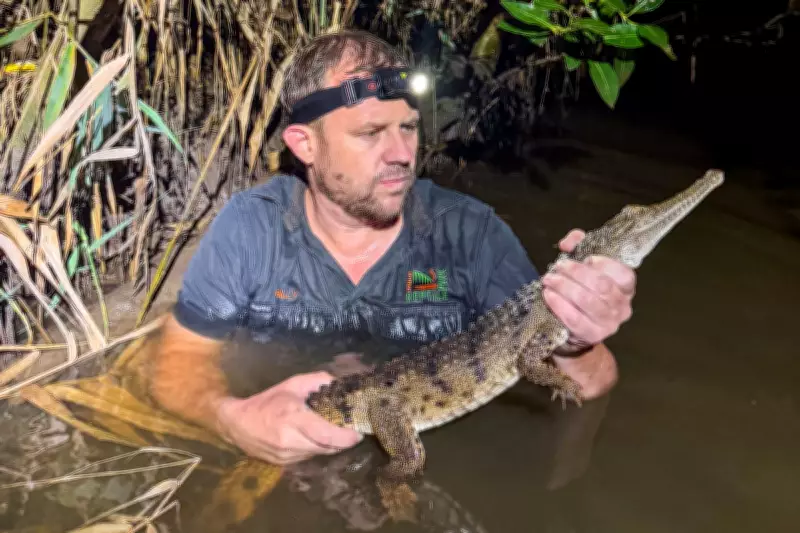
Collett identified the reptile as an Australian freshwater crocodile, scientifically known as crocodylus johnstoni, a species smaller and generally less dangerous than saltwater crocodiles. "They're capable of inflicting a serious injury," he noted regarding the smaller species.
By Sunday night, Collett's team successfully captured the crocodile approximately 3 kilometers from its initial sighting location. "I just wanted to get him out of there because he would've perished in winter," Collett stated, referencing the approaching Southern Hemisphere autumn season.
Ongoing Care and Speculation on Origins
The captured crocodile is reported to be in good health and will remain at the Australian Reptile Park until authorities determine a permanent placement. Under Australian law, crocodiles are protected species, necessitating careful handling and relocation.
Collett speculated that the crocodile was likely a former pet released into the wild after outgrowing its fish tank or becoming too hazardous to keep. This theory highlights broader issues related to exotic pet ownership and wildlife management in Australia.
The incident underscores the unexpected challenges faced by wildlife authorities in temperate regions and raises awareness about the potential risks associated with releasing non-native species into unfamiliar environments.