Colombia to Cull 80 Pablo Escobar Hippos Despite Conservation Outcry
Colombia to Cull 80 Pablo Escobar Hippos Despite Outcry

Colombia Authorises Cull of Pablo Escobar's Wild Hippos

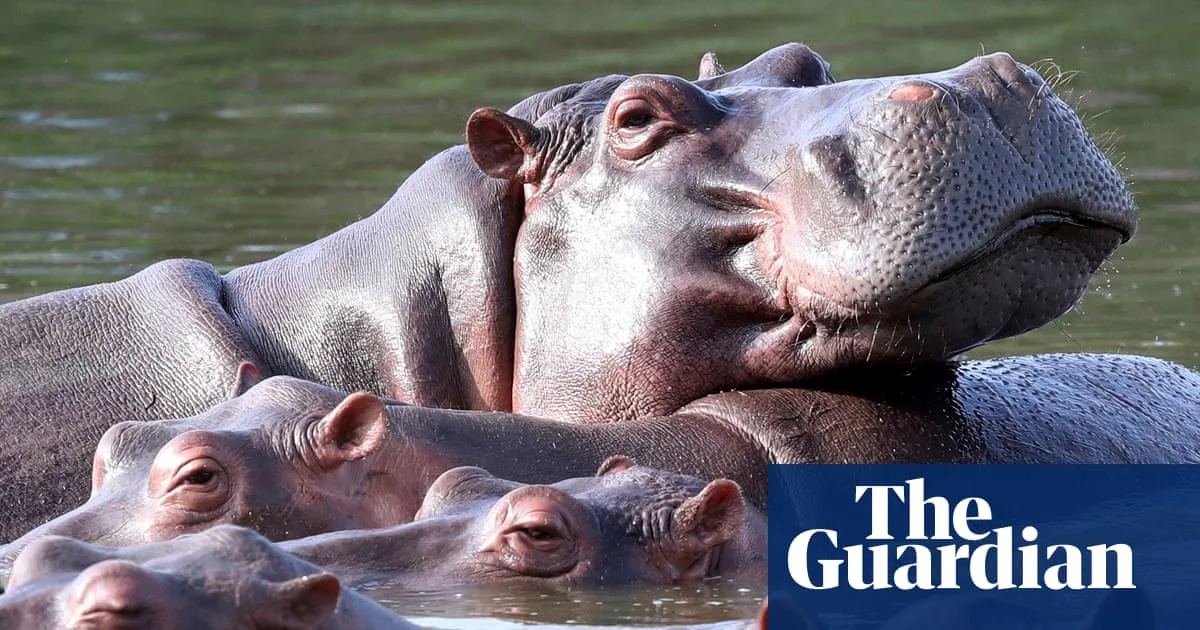
Colombian authorities have sanctioned a contentious plan to cull dozens of wild hippos roaming the country's central regions, a direct legacy of the notorious drug lord Pablo Escobar. Environment Minister Irene Vélez confirmed the decision, stating that up to 80 hippos will be targeted due to their escalating threat to local communities and native wildlife.

Escalating Environmental and Safety Concerns

Minister Vélez emphasised that previous population control methods, including costly neutering programmes and attempts to relocate the animals to zoos, have proven largely ineffective and financially unsustainable. "If we don't do this we will not be able to control the population," Vélez asserted. "We have to take this action to preserve our ecosystems."

The hippos, descendants of four animals imported by Escobar in the 1980s for his private zoo at Hacienda Nápoles, have proliferated dramatically. A study by Colombia's National University estimated approximately 170 hippos were living wild in the country by 2022. These large mammals have now been sighted over 100 kilometres north of their original introduction site, encroaching on farms and rivers where they endanger villagers and compete with indigenous species like river manatees for resources.

Wide Pickt banner — collaborative shopping lists app for Telegram, phone mockup with grocery list

Tourist Attraction Versus Ecological Threat

Despite the clear environmental challenges, the hippos have paradoxically become a significant tourist draw. Residents near Hacienda Nápoles now offer hippo-spotting tours and sell hippo-themed souvenirs, while the confiscated ranch itself operates as a theme park featuring the animals as a main attraction. This duality complicates the culling decision, blending economic interests with urgent conservation needs.

Opposition from Animal Welfare Groups

Animal rights activists in Colombia have consistently opposed lethal measures, arguing that the hippos deserve protection and that resorting to violence sets a detrimental precedent in a nation recovering from decades of internal conflict. Over the past twelve years, spanning three presidential administrations, Colombia has attempted non-lethal population control through neutering, but these efforts have been hampered by the high costs and dangers associated with capturing and surgically treating the aggressive animals.

Furthermore, repatriating the hippos to Africa is deemed unfeasible due to their limited genetic diversity and potential disease risks, leaving culling as the only viable option according to government officials. Colombia remains the sole country outside Africa with a wild hippo population, a unique ecological situation born from Escobar's illicit activities.

The culling operation's commencement date remains unspecified, but the government's resolve underscores the critical balance between wildlife management and human safety in this unprecedented scenario.

Pickt after-article banner — collaborative shopping lists app with family illustration