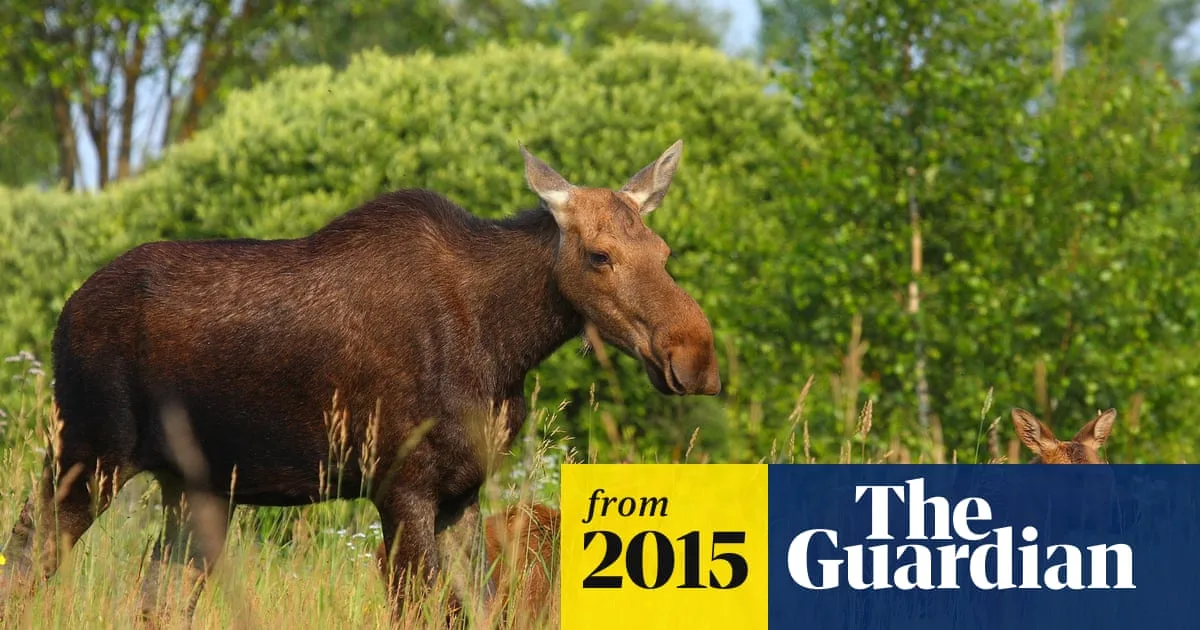
Wildlife is flourishing around the Chernobyl nuclear plant despite lingering radiation, according to a new study. Researchers found that elk, deer, wild boar and wolves are as abundant, or more so, in the exclusion zone than in nearby uncontaminated nature reserves.
The study, published in Current Biology, analysed animal track records and aerial surveys from Belarusian authorities. It found that wolf populations were seven times higher inside the zone than outside, where they are commonly hunted. The numbers of elk, deer and wild boar were similar to those in four uncontaminated reserves.
Professor Jim Smith from the University of Portsmouth, one of the paper's authors, said the findings show that everyday human activity damages wildlife more than the world's worst nuclear accident. "What we do, our everyday habitation of an area – agriculture, forestry – they’ve damaged wildlife more than the world’s worst nuclear accident," he said.
The explosion of reactor four in 1986 killed dozens and released high radiation doses that affected animal health and reproduction in the short term. However, the study found no long-term impact on population numbers. Smith noted that the area was more developed before the accident, with industry, agriculture and hunting, likely suppressing animal numbers.
Not all scientists agree. Anders Pape Møller of the University of Paris-Sud, who has published research on negative radiation effects, argued that the increase simply mirrors a broader European trend of rising mammal populations. He questioned why the data went unpublished for decades.