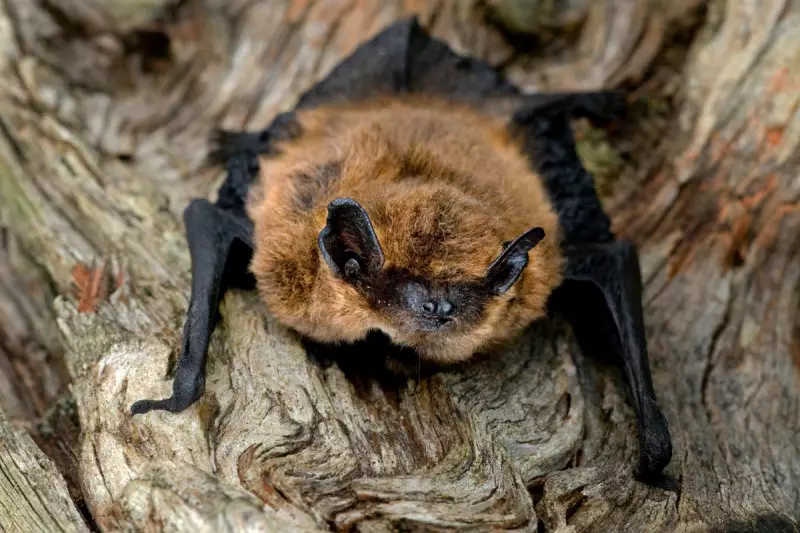
The prestigious RHS Chelsea Flower Show in 2025 is set to champion one of Britain's most misunderstood nocturnal creatures. A dedicated show garden will demonstrate how gardeners can support bat populations, turning the spotlight on these essential mammals.
The Nocturnal Garden Takes Centre Stage
Designed by Melanie Hick for the Bat Conservation Trust, 'The Nocturnal Garden' will highlight the specific plants and garden environments that bats favour. Hick is passionate about changing perceptions, describing bats not as spooky film characters but as 'adorable soft creatures of the night'. She emphasises their role as a crucial indicator species, signalling a healthy local ecosystem rich in insects and biodiversity.
Why Gardeners Should Welcome Bats
The presence of bats is a direct sign of garden health. All 18 species of British bat are insectivores, feasting on midges, moths, and mosquitoes. Therefore, a garden that supports bats is also supporting a wide range of pollinators and beneficial insects. Hick explains that a family of bats means your space provides food, water, shelter, and diverse planting—the hallmarks of a thriving natural habitat.

Practical Steps to Create a Bat Haven
Transforming your garden into a bat-friendly zone is simpler than you might think. The Bat Conservation Trust and Hick recommend a multi-faceted approach focused on supporting the insect life bats depend on.
Plant for Insect Diversity: Prioritise native plants like ox-eye daisies, hawthorn, and dog roses, which attract more insects than hybrids. Aim for a layered planting scheme with ground cover, mid-height shrubs, and trees to create a textured, biodiverse environment.
Extend the Flowering Season: Ensure insects are available from early spring, when bats emerge from hibernation, through to late autumn as they prepare for winter. Incorporate night-scented plants such as evening primrose and night-scented stock to attract nocturnal moths.
Embrace a Little Mess: Avoid over-tidying. Log piles, compost heaps, and leaf litter provide essential shelter for insects, which in turn provide food for bats.
Provide Water and Darkness: A pond or water feature offers bats a drinking spot and supports aquatic insect larvae. Crucially, reduce light pollution by avoiding uplighters and turning off unnecessary external lights at night, as artificial light disrupts the life cycles of moths and bats.
Consider a Bat Box: Installing a bat roost box in a sheltered spot, preferably near a hedgerow or tree line that bats use for navigation, can provide vital resting places.
Even those with small gardens or balconies can help by planting pale, open-faced flowers in pots or installing a vertical herb garden. For detailed planting lists and further advice, visit the Bat Conservation Trust website.