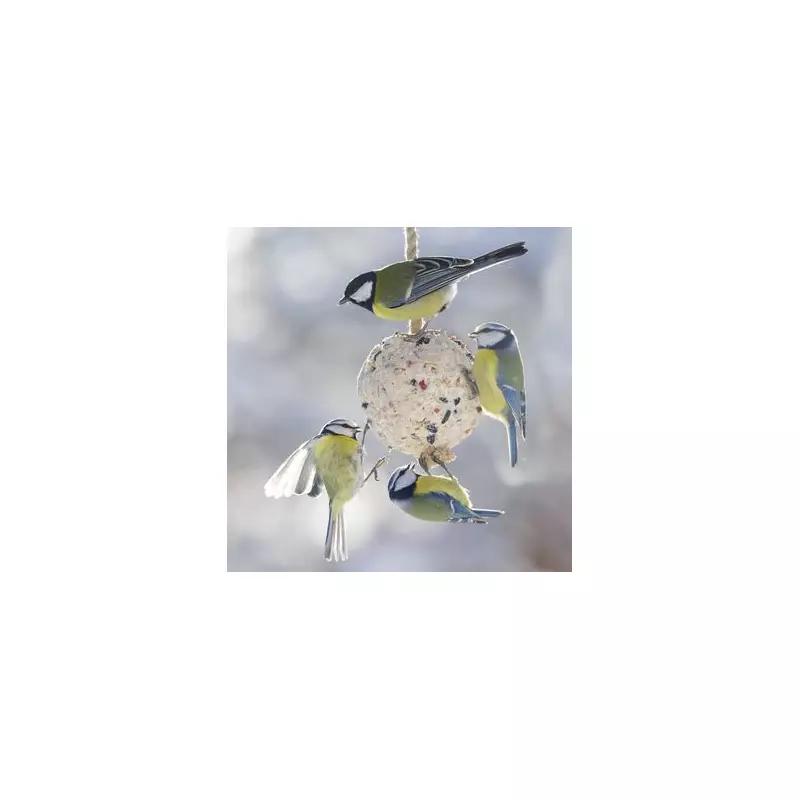
Feathered visitors are a cherished sight in British gardens, with many homeowners regularly putting out food to attract and support these avian guests. However, wildlife experts have issued a stark warning about a common type of bird feed that might be doing more harm than good, according to recent reports.
The Hidden Dangers in Cheap Suet Balls
For those who maintain bird feeding stations, nature specialists are advising people to steer clear of inexpensive suet balls, often marketed as fat balls. Concerns have been raised about the use of bulking agents in these products, which can prove detrimental to the health of garden birds.
When shopping for bird feed, it is crucial to scrutinise the ingredients list on the packaging carefully. Many budget suet balls incorporate filler ingredients to increase volume and reduce manufacturing costs, a practice that is surprisingly common in low-quality bird food.

Common Filler Ingredients to Watch For
Garden enthusiasts have been cautioned to remain vigilant, as these padding ingredients may include:
- Chalk, also known as calcium carbonate
- Sawdust
- Wheat
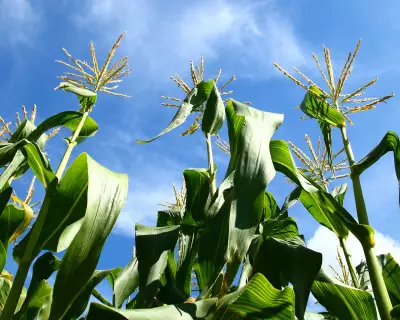
- Cracked corn
- Milo
James Ewens, a gardening and wildlife specialist from Green Feathers, explained to Ideal Home: "Filler products are surprisingly common in low-quality bird food, and it's crucial to be aware of any additions, like sawdust, wheat, cracked corn, or red milo."
He added: "Unfortunately, they're often used to bulk out suet balls and reduce manufacturing costs - ingredients like sawdust and excessive amounts of cheap grains allow for heavier products and cheaper production. It can potentially be harmful for our feathered friends, but equally, fillers are not nutritious for birds, and without them, birds would be consuming much healthier, nutrient-dense foods per gram."
Why These Fillers Are Problematic
The specialists pointed out that chalk, or calcium carbonate, is particularly concerning because it costs very little to include but offers absolutely no nutritional value to birds. This means that birds consuming such feed are filling up on empty calories instead of gaining essential nutrients.
James Jaques, Product Development Manager at The RSPB, provided guidance for consumers: "Always check the ingredient lists, you are looking for products where wheat flour, suet/tallow/fats and oils are the main ingredient with additions such as peanuts, sunflowers or other seeds such as millet, black rapeseed and linseed."
He also noted that cheaper products often have telltale signs: "They will often be darker in colour due to poorer quality beef suet/tallow used. They will also be really hard to the touch but easy to crumble into hundreds of pieces due to the addition of calcium carbonate."
Healthier Alternatives for Garden Birds
When purchasing suet-based feed, consumers should watch out for calcium carbonate listed among the ingredients. The RSPB recommends opting for bird seed as a safer choice, while other nourishing options for garden birds include mealworms and various nuts, such as peanuts.
By being mindful of these warnings and choosing high-quality feed, homeowners can ensure they are providing beneficial support to the wildlife in their gardens, rather than inadvertently causing harm.