Caterpillars Are Garden Heroes, Not Villains, Says Wildlife Expert
As spring unfolds across British gardens, many green-fingered enthusiasts view the emergence of caterpillars with trepidation, fearing the decimation of cherished crops like cabbages and Brussels sprouts. However, according to wildlife gardening specialist Kate Bradbury, these creatures are "incredibly important for biodiversity" and should be welcomed rather than eradicated.
Breaking the Indoctrination Against Caterpillars
Bradbury, an RHS ambassador supporting the charity’s Planet-Friendly Gardening Campaign, notes that gardeners have long been conditioned to see caterpillars as threats. "Over the years we’ve been taught to see caterpillars as a threat in our gardens," she says, recalling early gardening magazines that listed "Jobs for the weekend: check caterpillars, remove caterpillars." This mindset, she argues, overlooks the ecological value of these insects.
"There are lots of different types of caterpillar, but only a few species give the others a bad name," Bradbury points out. "They don’t all destroy plants." Instead, they play a pivotal role in sustaining garden ecosystems.

Vital Food Source for Birds and Wildlife
Caterpillars form a critical link at the bottom of the food chain, providing nourishment for numerous species. "We should view caterpillars as part of the garden’s ecosystem," Bradbury observes. "I think it’s worth always remembering that caterpillars are right at the bottom of the food chain, so loads of other species eat them."
For instance, baby blue tits require approximately 100 caterpillars daily during their first three weeks of life. Hedgehogs, often thought to favour slugs and snails, actually prefer caterpillars. By allowing more caterpillars in gardens, Bradbury explains, we attract diverse species, enhance biodiversity, and create livelier outdoor spaces.
Addressing Non-Native Species Like the Box Tree Moth
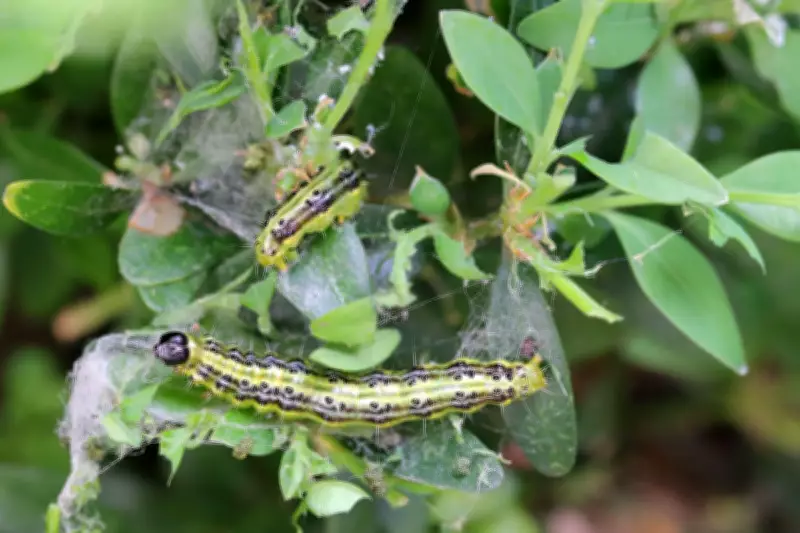
While some caterpillars, such as those of the non-native box tree moth, can defoliate plants like box hedging, Bradbury emphasises that natural predators eventually help control these populations. "In the last 10,000 years, all of our native species have evolved together, and there are natural checks and balances that keep everything in place," she says.
Robins have been observed eating adult box tree moths, and parasitic wasps are also keeping them in check. Bradbury remains hopeful that "with box tree moths, we start to see populations go back down again" as ecosystems adapt.
Essential Water Provision for Young Birds
Caterpillars, composed of 70-90% water, serve as a crucial moisture source for nestlings, especially during warm, dry periods. "Birds don’t carry water into their nest, so the only moisture the chicks get is often caterpillars and other grubs," Bradbury notes. In dry summers, when earthworms are scarce, caterpillars on leaves become vital for chick survival.
Practical Tips for Gardeners
To minimise crop damage while encouraging caterpillars, Bradbury offers several strategies:
- Grow Sacrificial Crops: Plant nasturtiums near brassicas like cabbages. Cabbage white caterpillars will feed on nasturtiums, sparing your prized vegetables. Attach brassica leaves to nasturtiums with clothes pegs to guide caterpillars naturally.
- Plant Caterpillar-Friendly Species: Mixed native hedges, such as hazel or hawthorn, provide shelter and food for moths and caterpillars, while also benefiting bees and birds. Long grass in small spaces can support multiple butterfly and moth species.
- Incorporate Native Plants: Foxgloves and native "weeds" like red campion offer feeding grounds, with caterpillars often consuming seeds from flower heads.
By embracing these practices, gardeners can foster a balanced ecosystem where caterpillars thrive without compromising their harvests, ultimately contributing to a healthier, more biodiverse environment.