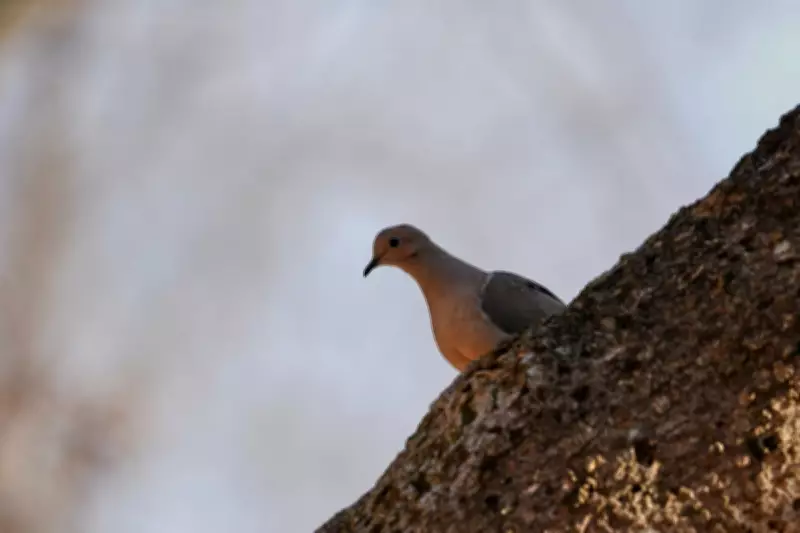
North American Bird Populations Plummet at Accelerating Rate, Study Reveals
A comprehensive new study published in the journal Science has revealed that North American bird populations are not only shrinking but doing so at an increasingly rapid pace. The research indicates billions fewer birds are flying across the continent compared to decades ago, with the decline accelerating for many species.
Alarming Acceleration in Bird Losses
The study examined 261 bird species and found nearly half showed statistically significant population losses. More than half of those declining species are experiencing accelerated losses since 1987, marking a concerning trend that has worsened over time.
"Not only are we losing birds, we are losing them faster and faster from year to year," said study co-author Marta Jarzyna, an ecologist at Ohio State University. "Except for forest birds, almost every group is doing poorly. So we need to ask ourselves a question. How do we protect these groups of birds?"

Study lead author Francois Leroy, also from Ohio State, noted that the species declining fastest currently have large enough populations to avoid immediate extinction risk. These include European starlings, American crows, grackles, and house sparrows. However, Leroy warned that "species extinction starts with a decline in abundance" and these trends could preview future extinction risks.
Climate Change and Agriculture: Dual Threats
The research identified two primary drivers behind the accelerating declines: human-caused climate warming and intensive agricultural practices. The study found the strongest population declines occurred in regions experiencing the most significant temperature increases, while agricultural intensification drove the acceleration of those declines.
"In regions where temperatures increase the most, we are seeing strongest declines in populations," Jarzyna explained. "On the other hand, the acceleration of those declines, that's mostly driven by agricultural practices."
The scientists found statistical correlations between accelerated decline rates and factors including high fertilizer use, high pesticide application, and increased cropland area. While the study couldn't establish direct causation, it strongly indicates agriculture as a significant factor in the worsening situation.
Geographic Hotspots and Ecological Implications
The Mid-Atlantic region, Midwest, and California emerged as areas experiencing the most significant acceleration in bird losses. The geographic analysis revealed important patterns, with southern regions showing greater population declines overall.
Kenneth Rosenberg, a Cornell University conservation scientist not involved in the study, emphasized the broader ecological implications. He noted that the species declining fastest are often considered adaptable generalists, and their struggles indicate environmental problems affecting all life forms.
David Bird, a McGill University wildlife biologist and editor of "Birds of Canada," highlighted the connection between agricultural practices and insect population crashes. "Many of the birds in this new study showing population declines depend heavily on insects for food," Bird explained, noting that insect populations have declined by over 40% in many areas.
Human Impact and Conservation Urgency
The study's findings have been described as both "alarming" and "sobering" by Richard Gregory, head of monitoring conservation science at University College London. The research underscores the need for changes in human behavior to address both climate change and agricultural practices.
Andrew Farnsworth, a Cornell University ornithologist, emphasized the need to reduce human-caused warming, decrease agricultural intensity, and minimize monoculture farming and chemical applications.
Bird highlighted the essential roles birds play in human life and ecosystems: "They feed us, clothe us, eat pests, pollinate our plants and crops, and warn us about impending environmental disasters." He added that birds contribute to human well-being and happiness, making their conservation crucial for both ecological balance and human quality of life.

The study represents a significant advancement in understanding bird population trends, moving beyond simple population counts to examine rates of decline, geographic patterns, and underlying causes. As bird populations continue to shrink at accelerating rates, researchers emphasize the urgent need for conservation action and changes in agricultural and climate policies.