Country Diary 1976: Dungeness, a Desert of Diversity in Kent's Shingle Shore
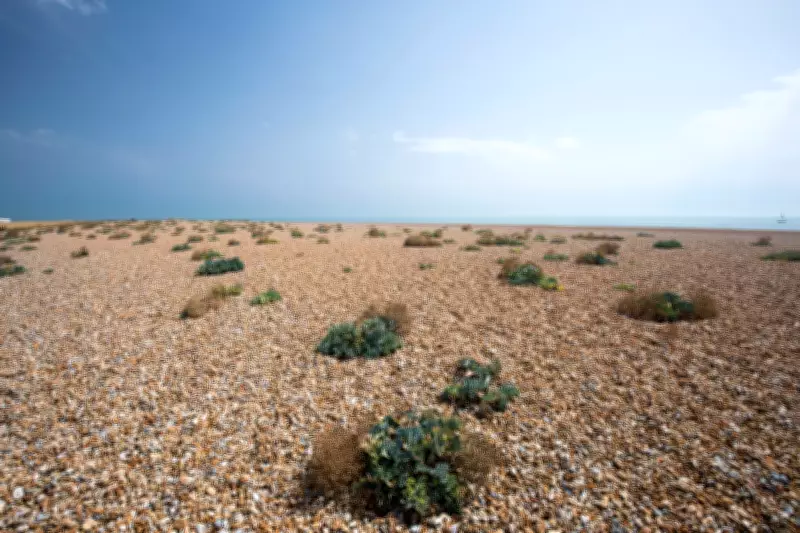
In a country diary entry from 9 April 1976, Dungeness in Kent is vividly portrayed as a stony desert, pointing like a stubby finger towards the continent. This extraordinary foreland in Britain offers wide skies that render even lighthouses and power stations seemingly insignificant. Yet, it is a desert with remarkable variety, where life thrives in unexpected places.
A Landscape of Contrasts and Moisture
The shingle ridges of Dungeness conceal troughs with enough moisture to support lush vegetation, including willow scrub, reed, and juncus rush. Large-scale gravel extraction has created flooded pits that are frequently visited by wild fowl, adding to the area's ecological richness. As the first landfall for spring migrants returning, the gorse blooms abundantly in welcome, while a flock of black-headed gulls follows a plough, dominating the early nesting season.
Birdlife and Nesting Challenges
Black-headed gulls nest early and so successfully that they create difficulties for terns arriving later in the month, as nesting sites become scarce. These gulls are known to rob terns' eggs, and other plunderers such as magpies, black-backed gulls, rooks, and carrion crows pose threats by taking eggs or chicks. Managing the 1,000-acre reserve involves complex problems, balancing the needs of over 40 nesting bird species and the interaction between humans and birds.

Signs of Life and Seasonal Conjunctions
The bushes are already alive with yellow-hammers, meadow pipits, wag-tails, and chaffinches, while a dozen goldfinches turn over hay laid out for yearling lambs returned from winter pastures. Overhead, a nice conjunction of the season is observed, with the first wheatear and a solitary brent goose straying from its wintery path. This snapshot from 1976 highlights Dungeness as a dynamic ecosystem, where desert-like shingle supports a vibrant array of wildlife, making it a unique and cherished part of Kent's coastline.