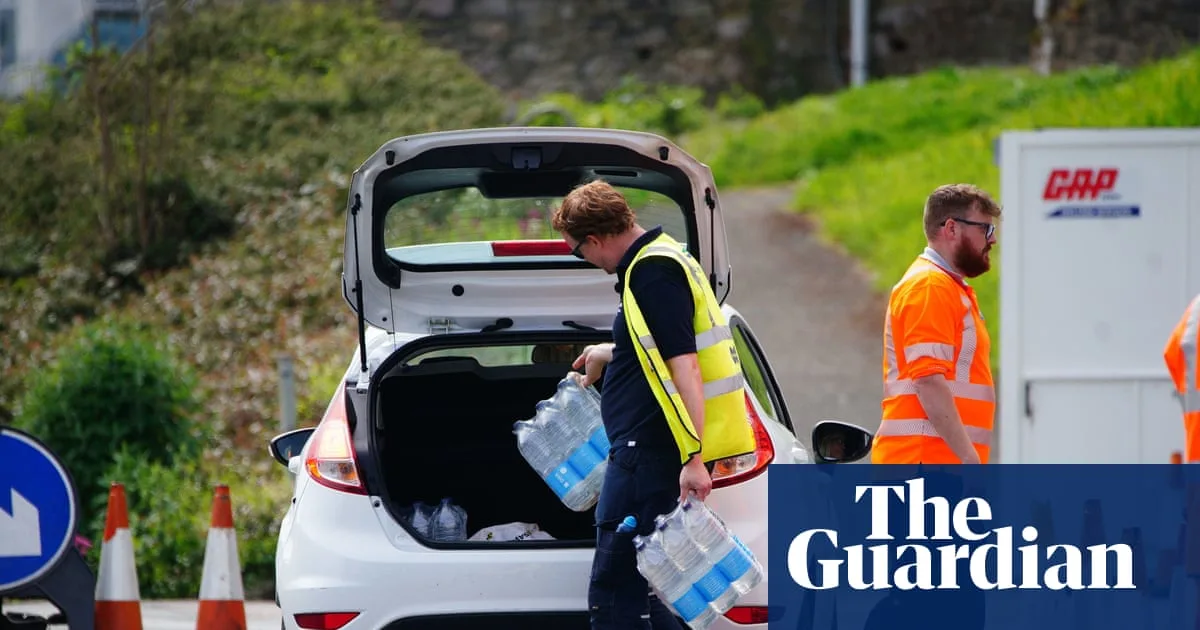
South West Water Admits Guilt in Devon Parasite Outbreak Affecting Thousands
Water Firm Admits Guilt in Devon Parasite Outbreak

South West Water Admits Guilt in Devon Parasite Outbreak Affecting Thousands

A major water company has admitted supplying water unfit for human consumption following a parasitic outbreak that left residents vomiting and suffering from severe diarrhoea. The incident, which occurred in May 2024, resulted in more than 140 confirmed cases of illness in Devon, with numerous individuals requiring hospital treatment due to stomach pains and vomiting.

Widespread Impact and Prolonged Disruption

Approximately 16,000 households and businesses in the Brixham area were instructed by South West Water not to use their tap water for drinking without boiling it first. This precautionary notice remained in effect for an extended period of eight weeks for some residents, causing significant inconvenience and disruption.

The outbreak is believed to have originated from a water tank at the Hillhead reservoir, which was contaminated with cryptosporidium, a parasite known to cause sickness and diarrhoea. This contamination severely impacted the local summer tourist season, adding economic strain to the community.

Legal Proceedings and Corporate Accountability

South West Water faced prosecution by the Drinking Water Inspectorate (DWI) and pleaded guilty to an offence under section 70(1) of the Water Industry Act 1991 during a hearing at Exeter Magistrates' Court. The company now awaits sentencing on June 2, where it could face a substantial fine.

Howard Leithead, representing the DWI, argued for the case to be transferred to the Crown Court due to its high-profile and exceptionally sensitive nature. He emphasised that the incident affected a broad geographical area, undermined public confidence in the water supply, and caused long-term inconvenience, economic harm, and educational disruptions.

Personal Stories of Suffering and Distrust

Among those present in the public gallery were residents who suffered ill health following the outbreak. Lisa Horswill, a local resident, described the ordeal as "outrageous," noting that her autoimmune system was severely affected, and she continues to experience pain and bloating. Her six-year-old daughter also fell ill during the crisis.

Mrs Horswill accused South West Water of manipulating cryptosporidium levels and attempting to bribe her with compensation to conceal issues with ageing mains contaminated with asbestos. Her husband, Kris, now suffers from end-stage renal failure, which he attributes to the outbreak, stating they no longer drink tap water and incur high costs for filtered alternatives.

Tanya Mitchell, another resident, highlighted ongoing health effects and a loss of trust in the water supply, while Imogen May protested by refusing to pay her water bill, asserting that clean water is a basic human right.

Corporate Response and Judicial Decision

Dominic Kay KC, representing South West Water, contended that the case could be handled by a district judge in the magistrates' court, citing the firm's early guilty plea and lack of factual complexity. However, District Judge Stuart Smith rejected the prosecution's request for transfer, opting to retain jurisdiction.

Pennon, the owner of South West Water, previously estimated the outbreak's total cost at nearly £40 million, covering contamination incidents and transformation programmes. The supplier also owns Bristol Water, Bournemouth Water, and SES Water.

Political and Regulatory Reactions

Caroline Voaden, Liberal Democrat MP for South Devon, welcomed the guilty plea but criticised the water industry's disconnect between rhetoric and action. She called for faster regulatory reforms to hold companies accountable.

Marcus Rink, chief inspector of the DWI, stated that the guilty plea reflects the seriousness of the failings, while Water Minister Emma Hardy condemned the contamination as "utterly unacceptable" and stressed the need for accountability.

Understanding Cryptosporidium Risks

Cryptosporidium, commonly known as "crypto," infects the digestive system, causing symptoms like watery diarrhoea, stomach pain, vomiting, fever, and loss of appetite. Infections typically last up to two weeks but can persist longer in immunocompromised individuals.

Transmission often occurs through contact with contaminated faeces in water sources, such as lakes, streams, or water supplies, especially after heavy rainfall. Preventive measures include thorough handwashing, avoiding swimming until symptom-free for two weeks, and not preparing food for others until 48 hours after symptoms cease.

The parasite is highly infectious, with just 10 germs sufficient to cause illness, highlighting the critical importance of water safety and regulatory oversight.




