UK's First 'Green Bridge' Opens in Surrey to Aid Wildlife Crossing
First UK Green Bridge Opens in Surrey for Wildlife

UK's First 'Green Bridge' Opens in Surrey to Aid Wildlife Crossing

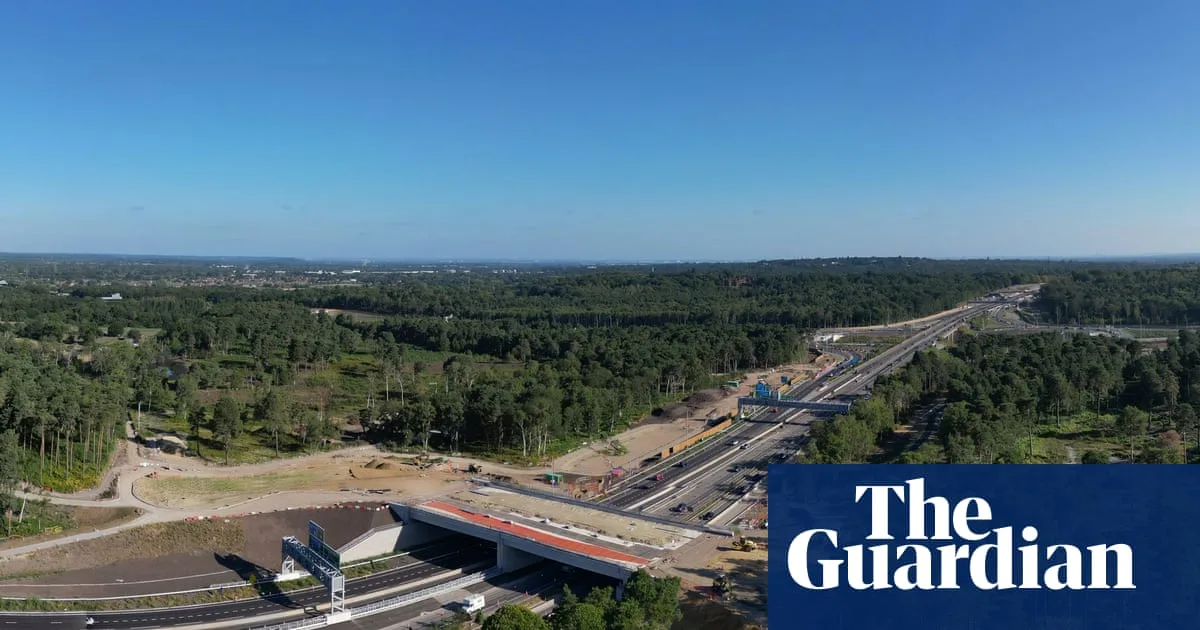
A pioneering £3.7 million 'green bridge' is set to open next month in Surrey, offering a vital safe passage for wildlife including toads, badgers, and snakes across the busy A3 road. The 68-metre-long Cockcrow Bridge, located near Cobham, is believed to be the first of its kind in Britain, designed specifically to reconnect fragmented habitats.

Connecting Fragmented Habitats

The bridge spans the A3, a major road that was constructed in the 1970s, dividing two important heathlands: Ockham and Wisley commons. Covered in heather and shrubs, the 30-metre-wide structure replaces a previous pedestrian bridge, now transformed into a natural corridor. Conservationists emphasise that this initiative will support a diverse range of animals, such as grass snakes, adders, badgers, bats, and toads, all of which inhabit these commons.

Additionally, rare bird species like the nightjar and Dartford warbler, which rely on the heathlands for breeding, are expected to benefit from the reconnection. National Highways, the authority responsible for maintaining Britain's major A-roads, stated that the bridge will 'reconnect the commons either side of the A3 and provide a natural and safe corridor for local wildlife.'

Wide Pickt banner — collaborative shopping lists app for Telegram, phone mockup with grocery list

Design Focused on Wildlife

A spokesman for National Highways highlighted that the bridge has been 'designed with reptiles and invertebrates at its heart,' ensuring it blends seamlessly into the landscape. This approach aims to mitigate the barrier effect that roads often create, which can sever habitats and contribute to biodiversity decline. Steve Elderkin, the director of environmental sustainability at National Highways, explained, 'While roads have always connected people and places, they are too often a barrier for nature. Our green bridges are designed to blend with the landscape and connect habitats, animals, and people, leaving a lasting legacy to ensure nature thrives.'

Expansion of Green Bridges Across the UK

National Highways is not stopping with the Surrey project; two more green bridges are currently under construction in Cornwall and Gloucestershire. In the south-west, the Marazanvoze bridge will pass over the A30, providing a safe route for badgers and voles. Meanwhile, in Gloucestershire, a hedgerow-lined grassland bridge over the A417 will allow wildlife to travel alongside pedestrians, horse riders, and cyclists on the 100-mile Gloucestershire Way walking path.

This trend towards eco-friendly infrastructure is also evident in other major projects. For instance, the HS2 railway project from London to Birmingham will include 16 green bridges and five green tunnels. In 2024, it was revealed that HS2 Ltd would spend £100 million on a bat tunnel to appease Natural England, highlighting the growing emphasis on protecting wildlife in development projects.

The opening of the Cockcrow Bridge next month marks a significant step in UK conservation efforts, demonstrating how infrastructure can be adapted to support biodiversity and reconnect natural habitats severed by human activity.

Pickt after-article banner — collaborative shopping lists app with family illustration