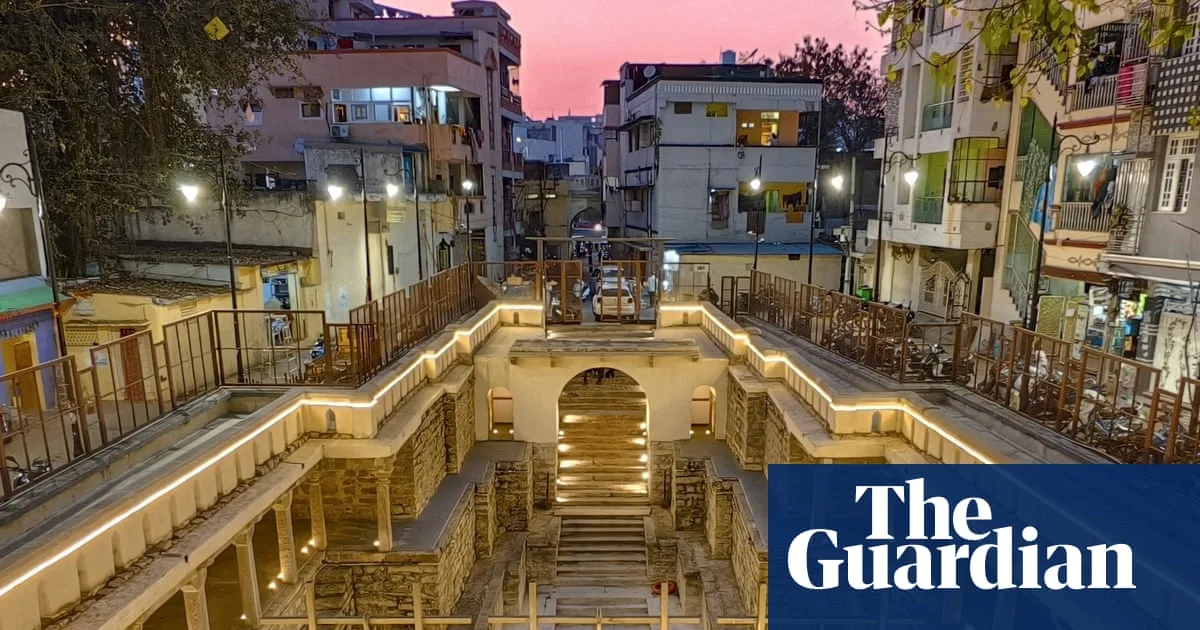
Centuries-old stepwells in India are being restored to provide drinking water as the country grapples with a severe water crisis. In Hyderabad's Bansilalpet neighbourhood, a 17th-century stepwell has been brought back to life after an 18-month restoration effort, yielding clean water for the first time in 40 years.
The project, led by architect Kalpana Ramesh, cleared 3,000 tonnes of rubbish and restored the stone walls. The well now maintains a water depth of nine metres even in summer. Ramesh has revived 25 stepwells in Telangana state with support from the municipal government and her social enterprise, the Rainwater Project.
India faces its worst water crisis, with over 600 million people experiencing high-to-extreme water stress. The country has 18% of the world's population but only 4% of its freshwater resources. Stepwells, built between the 11th and 18th centuries to access groundwater, were abandoned under British rule and later used as dumping grounds.
The Stepwell Atlas lists over 3,000 surviving stepwells, with about 100 in Telangana. While some famous examples like Chand Baori and Rani-ki Vav are heritage sites, they do not provide usable water. Ramesh hopes to equip all 25 restored wells with filtration systems to make water potable, encouraging preservation.