A groundbreaking study from the Royal Horticultural Society (RHS) has unveiled a simple yet powerful method to dramatically increase tree cover across England: the widespread planting of 'tredges' in domestic gardens. This innovative approach could potentially boost the nation's garden tree canopy by an impressive 20%, offering a vital tool in the fight against climate change and biodiversity loss.
What Are Tredges and How Do They Work?
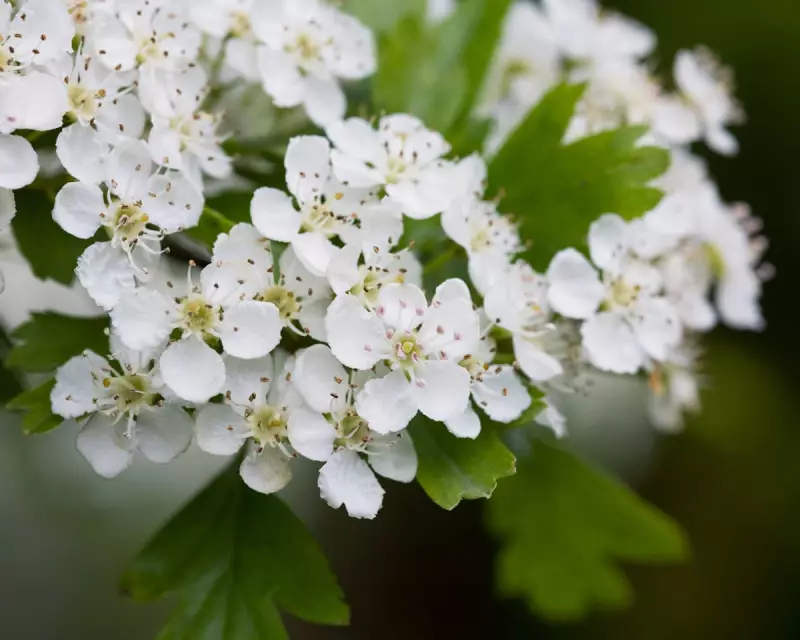
The term 'tredge' is a portmanteau of 'tree' and 'hedge', describing a living boundary made from densely planted, multi-stemmed trees. Unlike traditional single-trunk trees, tredges are cultivated to form a thick, shrub-like structure from the ground up. The RHS research, led by principal horticultural scientist Dr. Tijana Blanusa, assessed the effectiveness of these plantings. The study focused on species like hazel (Corylus avellana), hornbeam (Carpinus betulus), and beech (Fagus sylvatica), which are pruned to maintain a hedge-like form while providing the substantial canopy of a tree.
The analysis found that gardens currently account for approximately 30% of all urban areas in England. However, tree cover within these private spaces remains limited. By replacing conventional fencing or low hedges with tredges, homeowners can contribute significantly to urban forestry. The RHS estimates that if just 10% of the suitable garden boundary space in England were converted to tredges, it would result in a 20% increase in the total tree canopy cover found within gardens.

Environmental Benefits Beyond Carbon
The advantages of planting tredges extend far beyond simply adding more green to the landscape. These living structures deliver a powerful suite of environmental services. They are highly effective at cooling the air during heatwaves through shade and evapotranspiration, helping to mitigate the urban heat island effect. Tredges also act as superior pollution filters, capturing particulate matter and improving local air quality more effectively than many traditional hedges or fences.
Furthermore, they provide crucial habitats and food sources for wildlife, from insects to birds, enhancing garden biodiversity. Dr. Blanusa emphasised that tredges offer a 'three-dimensional' benefit, combining the vertical stature and canopy of a tree with the dense, ground-level coverage of a hedge. This makes them exceptionally efficient users of space, a key consideration in smaller modern gardens where planting a large, standard tree might not be feasible.
Overcoming Barriers to Garden Greening
The RHS research, conducted at its flagship garden at Wisley in Surrey, also tackled common homeowner concerns that often deter tree planting. A primary fear is that tree roots will cause subsidence damage to property. The study provides guidance on selecting appropriate species and implementing simple planting techniques, such as using root barrier membranes, to minimise this risk. Another significant barrier is the perceived loss of light. Because tredges can be maintained at a desired height and width, they offer more control over shading than a large, spreading tree.
The society is now championing tredges as a central part of its ongoing 'Greening Great Britain' campaign. The goal is to inspire a national movement where gardeners actively choose to replace inert boundaries with living, breathing ones. By providing clear, practical advice, the RHS hopes to empower the UK's 30 million gardeners to become frontline warriors in climate adaptation and ecological recovery. This grassroots effort, multiplying across millions of individual plots, has the potential to create a vast, connected network of canopy cover that official planting schemes alone could never achieve.
The message from Wisley is clear: the humble garden boundary holds untapped potential. Transforming it with a tredge is not just a gardening choice, but a direct and impactful contribution to a cooler, cleaner, and wilder England.