Embracing Wild Gardening: A Suburban Revolution
On a chilly January day in Manchester, Cynthia Banham navigated University Green, surrounded by lush, unmown lawns dotted with snowdrops and grey squirrels darting between bare-branched trees. This setting marked the start of the inaugural "Wilding Gardens" conference, where scientists and practitioners gathered to explore innovative approaches to gardening and nature conservation. Over two days, discussions centered on how gardens, if allowed to follow natural ecological processes, could combat climate change and biodiversity loss.
The Urgency of Rewilding in Urban Spaces
Manchester, as the world's first industrial city, provided a poignant backdrop for conversations about rewilding suburban gardens to mitigate industrial impacts. Banham, traveling from Sydney during a heatwave, felt compelled to attend, driven by her admiration for rewilding pioneers like Isabella Tree and Charlie Burrell. Their transformation of Knepp, a 3,500-acre farm in West Sussex, into a thriving wild landscape by relinquishing control to nature, inspired her journey.
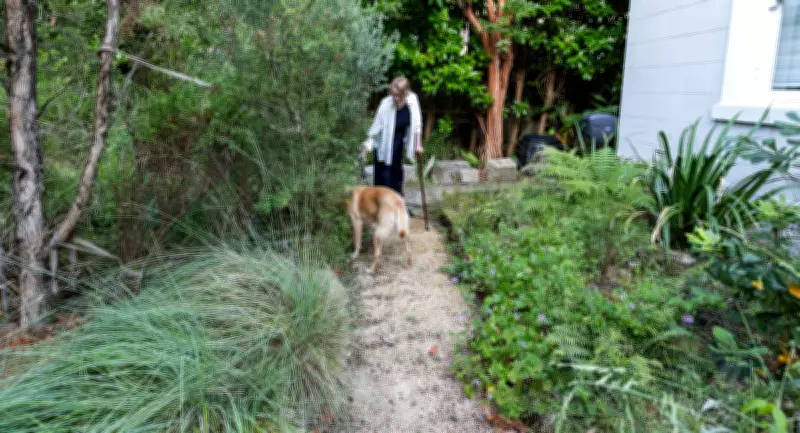
Banham's own obsession with wild gardening began in 2019, amid devastating bushfires in eastern Australia. Anxious about the planet, she and her family created a frog pond in their Sydney garden, which initially featured manicured lawns and pruned hedges. The silence of this tidy space spurred her to tear out the lawn, plant native species, and eliminate toxic chemicals. Soon, wildlife like eastern water skinks, native bees, and blue-tongue lizards returned, bringing back the natural sounds of her childhood.

Challenges and Awakenings in Horticulture
During the Covid-19 pandemic and her husband's cancer diagnosis, Banham found solace in her garden's flourishing native plants, such as silky hakea and narrow-leaved paperbark. However, her efforts faced criticism, including warnings from a professional gardener that she was lowering her property's value. Undeterred, she studied horticulture online, discovering that traditional practices often conflicted with her goal of creating a wildlife refuge.
At the conference, speakers emphasized shedding tidiness obsessions and embracing a looser aesthetic. Entomologist Erica McAlister highlighted insects as "the most important creatures on the planet," while experts like James Hitchmough discussed the collapse of insect populations and urged against insecticide use. Landscape designers Adam Hunt and Lulu Urquhart addressed the challenge of making scrub appealing, and John Little outlined key features for biodiversity: structures, varied topography, and dead organic matter.
A Pilgrimage to Knepp Estate
After the conference, Banham visited Knepp estate, despite winter conditions. She described it as a holy pilgrimage, entering through a wooden gate to fields of slushy green, abundant birdlife, and free-roaming animals like red kites and white storks. Over two days, she toured the walled garden, now a naturalistic mosaic overseen by gardeners who mimic herbivores to maintain plant diversity, resulting in a 30% increase in insect species in three years.
On her final day, walking public footpaths under a clear blue sky, Banham reflected on the importance of wilding gardens for future generations, as her son expressed joy in being immersed in nature. This experience reinforced her belief in the transformative power of rewilding suburban spaces.