
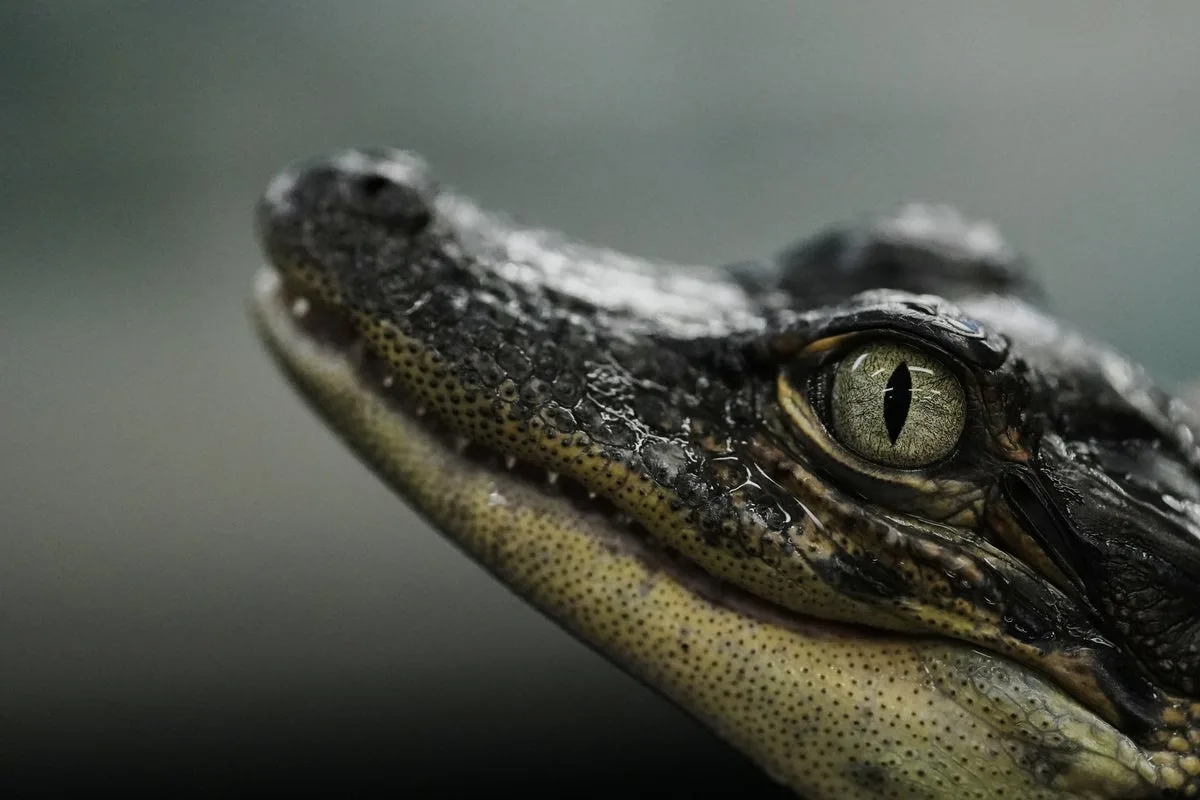
At Vermilion Gator Farm in Louisiana, Jacob Sagrera carefully examines alligator skins, scoring them for blemishes before they are sent to a tannery abroad for use by luxury designers. Each hide bears a yellow tracking tag, part of a system that allows authorities to enforce legal trade.
This practice is rooted in a conservation programme devised in the 1970s when American alligators were listed as endangered. Scientists with the state of Louisiana proposed that farmers pay landowners for eggs, raise the alligators to sell their meat locally and their skins on the luxury market, and release some back into the wild each year.
Louisiana now produces around 400,000 farmed alligators every year, with farmed skins valued at over $56 million in 2024. The state estimates that about 3 million alligators live in the wild in Louisiana, and the proportion of farmed gators released has fallen from nearly 20 per cent in the early 2000s to about 5 per cent now. American alligators were removed from the endangered list in 1987 and are now classified as of "Least Concern" on the IUCN Red List, although trade remains regulated because of their resemblance to other, more vulnerable crocodilian species.
Tracking tags help ensure that every product comes from a legal operation; for instance, Col. Littleton, a Tennessee company selling alligator leather goods, keeps records of all its tags, according to Hayley Holt, its director of corporate and specialty sales. Conservationist Grahame Webb, who has worked on crocodilian conservation since the 1960s, said the species' numbers were not too depleted to rebound if habitat was maintained, but the farming method has helped bolster populations.
However, the system is not without controversy. Sarah Veatch, principal for wildlife policy at the nonprofit Humane World for Animals, said that trade not only meets existing demand but normalises and legitimises it, potentially fuelling poaching. Luxury brands, meanwhile, are becoming more involved in sourcing alligator leather, with consultant Christy Gilmore noting that they have bought shares in or acquired family-operated farms, tanneries and manufacturers. Farmers like George Melancon, an alligator research biologist, argue that giving the animals monetary value is key to their preservation. "These wetlands, these alligators ... it has to have some kind of monetary value," he said. "Otherwise, people just forget about them."




