Marine Laboratory's Innovative Breeding Program Revives Endangered White Abalone
On a bright January day in Bodega Bay, approximately seventy miles north of San Francisco, the White Abalone Culture Lab is bustling with purposeful activity. This specialised facility, nestled within the University of California at Davis's Bodega Marine Laboratory, is dedicated to a singular, ambitious mission: rescuing the endangered white abalone from the precipice of extinction through a groundbreaking captive breeding initiative.
The Delicate Process of Spawning Day
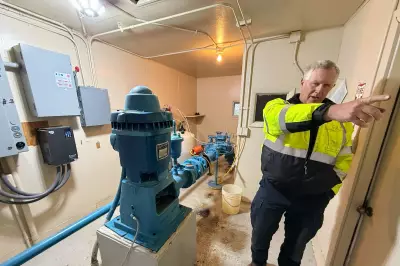
Today marks a critical spawning event. Program Director Alyssa Frederick oversees an industrial room filled with troughs and tubs of aerated seawater. A dedicated team of volunteers and biologists meticulously measures, weighs, and conducts health assessments on one hundred and ten white abalone, some as large as coconuts. Specimens deemed sufficiently robust are gently transferred into buckets containing a carefully formulated "love potion" of hydrogen peroxide. This solution stimulates the females to release eggs and the males to expel sperm, initiating the delicate reproductive process.
The researchers' objective is clear: to cultivate millions of larvae, which will then be nurtured until they reach a size suitable for reintroduction into their native habitats along the southern California coastline. This effort represents a pivotal component of a twenty-five-year endeavour to counteract the devastating impacts of historical overfishing and environmental degradation on the species.

A Species on the Brink
Once abundant along California's shores, the white abalone population experienced a catastrophic collapse. By 2001, a mere one percent of the original population remained, equating to roughly two thousand individuals. This precipitous decline led to the white abalone becoming the first marine invertebrate to be listed under the Endangered Species Act, prompting the establishment of a formal restoration program.
Without human intervention, scientists estimated the species would face extinction within a decade. The opening of the Bodega Bay laboratory in 2011 marked a significant turning point. Since its inception, the facility has successfully released over twenty thousand juvenile abalone into the ocean—a tenfold increase that signifies a remarkable comeback story.
Creating the Right Conditions for Success
The atmosphere within the lab during spawning is notably optimistic, filled with hopeful anticipation. To enhance the chances of successful reproduction, researchers employ creative, albeit unscientific, methods. They dim the overhead lights, illuminating the space with soft red bulbs suspended above the breeding buckets. On occasion, the team even plays romantic music, humorously speculating that a little Marvin Gaye might positively influence the mollusks' mood.
"It's totally unscientific, but it makes us feel like we're doing something," Frederick admits with a laugh. "I haven't found any evidence that music helps abalone reproduce. It doesn't seem to hurt."
Navigating Funding Uncertainties
This particular spawning event carries added significance, as it nearly did not occur due to severe funding threats. In April of the previous year, proposed federal budget cuts targeted the National Oceanic and Atmospheric Administration (NOAA), jeopardising the three-year grant that supports the lab's operations and staff salaries. The potential loss of funding threatened to derail decades of painstaking progress.
Fortunately, anonymous donors provided crucial interim support, and federal funding was subsequently secured for 2026. The lab is now expected to receive the remainder of its grant, ensuring financial stability for the next two years. However, the experience has prompted Frederick to reconsider long-term sustainability. "If you want to save a species, you can no longer rely fully on federal funding," she reflects. "That's just poor risk management."

The Charismatic yet "Derpy" Sea Snail
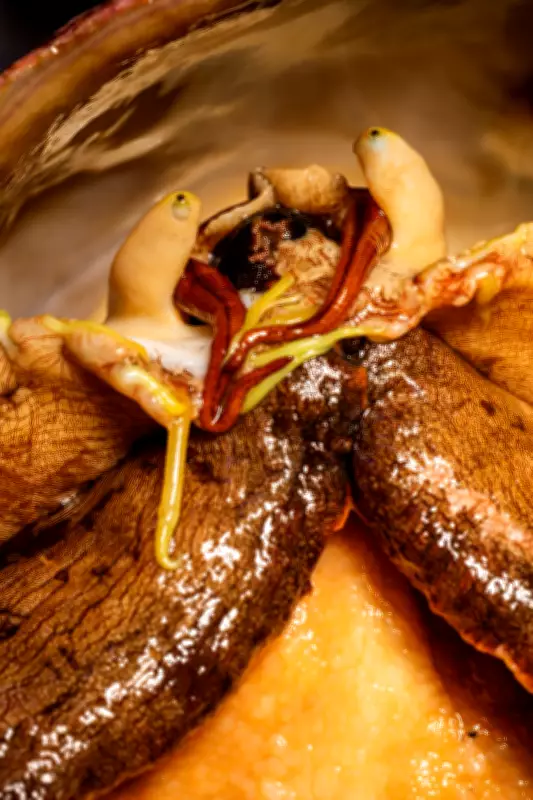
Frederick presents a white abalone for closer inspection. Its mauve shell, adorned with ridges and bumps, initially appears unremarkable—more akin to a catcher's mitt than a charismatic marine creature. Yet, as the abalone slowly extends its muscular foot, revealing a pearly interior and cautiously protruding tentacles, its unique personality becomes evident. Frederick affectionately describes them as "derpy," a term that perfectly captures their curious, shy, and somewhat alien demeanour.
Broader Challenges for Abalone Species
The plight of the white abalone is not an isolated case. Six of California's native abalone species—white, red, black, green, pink, and flat—are currently struggling. The black abalone is also listed as endangered, and a moratorium on harvesting red abalone has been extended until 2036, making farmed specimens the only legal source for this gourmet delicacy. White abalone remain strictly protected from fishing or commercial sale.
Historically, these giant gastropods were so plentiful that they formed dense stacks along the coastline. Celebrated in indigenous cultures for food, tools, and currency, and later romanticised in early 20th-century literature like Jack London's Abalone Song, their decline began in earnest during the 1970s. A targeted fishing frenzy in deeper waters harvested two hundred and eighty tons within a single decade, devastating populations.
Reproductive Biology and Habitat Threats
Abalone reproduce via broadcast spawning, releasing gametes into the water column where fertilization occurs. The resulting larvae drift for one to two weeks before settling on rocky substrates. Over a potential lifespan of thirty-five to forty years, they can grow up to ten inches wide. However, by 2001, the remaining wild white abalone were too sparsely distributed for successful natural spawning.
The initial captive breeding program, launched that same year with eighteen wild snails, faced setbacks when a fatal withering syndrome outbreak decimated the population. The relocation to the Bodega Bay lab in 2011 provided a refuge from this disease. A concurrent and severe threat is habitat degradation, specifically the catastrophic loss of kelp forests—vital underwater ecosystems that provide food and shelter. A 2021 UC Santa Cruz study revealed a ninety-five percent decline in northern California's kelp forests, attributed to warming waters and rampant purple sea urchin populations, which in turn starve abalone.
A Beacon of Hope in Conservation
Despite these challenges, the program has achieved significant milestones. A single successful spawning event can yield over twelve million fertilized eggs. While only a fraction will survive to adulthood, each release represents a step toward population recovery. Frederick remains profoundly optimistic about the species' future. "It's just so hopeful," she explains. "So many people studying the ocean or endangered species have a really hard job. They have to watch the ocean degrade or they're watching a species go extinct. In this situation, we get to actually restore the white abalone. It's kind of amazing. That never happens."
The dedicated work at the Bodega Marine Laboratory stands as a testament to the power of sustained scientific effort and innovation in marine conservation, offering a rare and inspiring narrative of ecological restoration and hope.