UK Solar Energy Achieves Consecutive Record Highs Amid Sunny Spring Weather
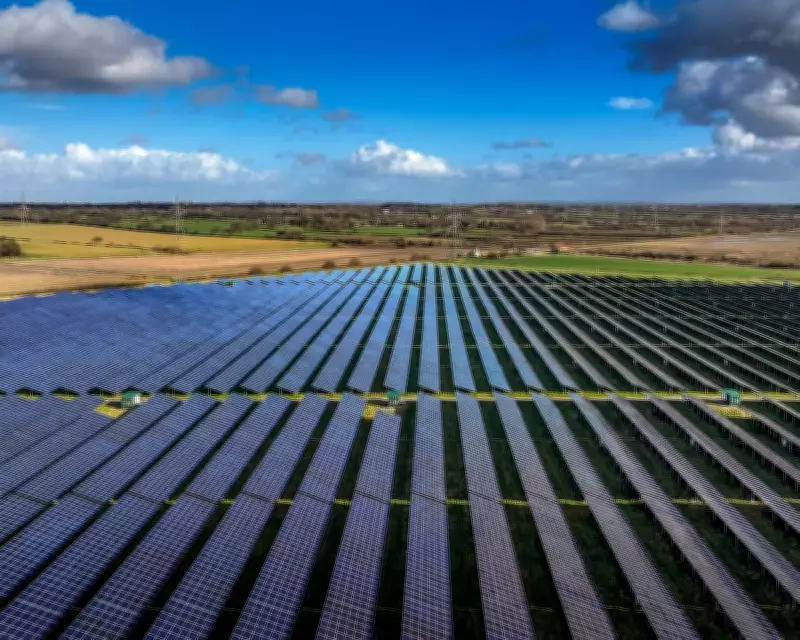
Britain's solar energy sector has set remarkable new benchmarks this week, with power generation from the sun reaching unprecedented levels on two consecutive days. On Monday, solar farms across England, Wales, and Scotland produced 14.1 gigawatts (GW) of low-carbon electricity at lunchtime, surpassing the previous record of 14GW established in July last year. This achievement was swiftly eclipsed on Tuesday afternoon, when solar output climbed to an even higher peak of 14.4GW, as confirmed by the electricity system operator.
Government Approves Springwell Solar Farm, the UK's Largest Project
Coinciding with these solar records, the Labour government has given the green light to the Springwell solar farm in Lincolnshire, which is set to become the biggest solar installation in the United Kingdom. Ministers have emphasised that this decision aligns with their strategy to enhance homegrown low-carbon energy, aiming to bring stability and reduce bills in an increasingly uncertain global landscape. When operating at maximum capacity, the Springwell project is expected to generate enough electricity to power approximately 180,000 homes annually.
Labour's Clean Energy Agenda and Recent Approvals
The approval of the Springwell solar farm marks the 25th major clean energy project sanctioned by the Labour government since it assumed power in 2024. Collectively, these initiatives have the potential to supply electricity equivalent to the needs of up to 12.5 million homes. This development follows the government's backing of the Tillbridge solar farm in Lincolnshire six months ago, another large-scale facility in a region where anti-renewables sentiment, promoted by Reform UK, has been gaining traction.

Wind Power Also Reaches New Heights, Reducing Gas Dependency
Less than two weeks prior to the solar milestones, Britain's windfarms achieved a record high of 23.9GW towards the end of last month, exceeding the previous mark of 23.8GW set on 5 December. This surge in wind energy drove gas-fired power generation to a two-year low, with gas contributing only 2.3% of the grid's electricity at that time. This performance tests the government's ambitious plan to operate a virtually carbon-free grid by 2030. The electricity system operator is reportedly preparing to run the grid without any gas for short periods as early as this summer, a first for the UK energy system.
Government Initiatives and Ministerial Statements
Energy Minister Michael Shanks highlighted the government's commitment to accelerating clean, domestically controlled power sources. He stated, "We are driving further and faster for clean homegrown power that we control to protect the British people and bring down bills for good. It is crucial we learn the lessons of the conflict in the Middle East – solar is one of the cheapest forms of power available and is how we get off the rollercoaster of international fossil fuel markets and secure our own energy independence." In support of this vision, the government has streamlined plans to introduce "plug-in solar" technology in the UK and updated building standards to mandate solar panels on new homes from 2028.
Broader Context and Industry Trends
This progress in renewable energy comes amid reports from Octopus of a sharp increase in solar panel sales since the onset of the Iran war, underscoring growing public and commercial interest in energy independence. The combined efforts in solar and wind power are positioning the UK as a leader in the transition to sustainable energy, with significant implications for reducing carbon emissions and enhancing national security.